The deep waters of the Southern and Pacific Oceans still hold many mysteries. Two international teams of scientists set out to explore the icy depths of Antarctica and the abysses of the Mariana Trench. Filmed for the first time, creatures seemingly from another galaxy cohabit with champions of survival in extreme conditions.
Adventurer, filmmaker, inventor, author, unlikely celebrity and conservationist: For over four decades, Jacques-Yves Cousteau and his explorations under the ocean became synonymous with a love of science and the natural world. As he learned to protect the environment, he brought the whole world with him, sounding alarms more than 50 years ago about the warming seas and our planet’s vulnerability. In BECOMING COUSTEAU, from National Geographic Documentary Films, two-time Academy Award®-nominated filmmaker Liz Garbus takes an inside look at Cousteau and his life, his iconic films and inventions, and the experiences that made him the 20th century’s most unique and renowned environmental voice — and the man who inspired generations to protect the Earth.
A special examining the appeal of real-life daredevils and heroic figures compared with their fictional counterparts as portrayed in adventure films.
A riveting story of polar exploration that investigates the motivation, psychology, science, and physical endurance that have characterized the historic heroes who have explored the frozen continent of Antarctica over the last 200 years.
Bikes for Africa is an entertaining, insightful and moving documentary following the life adventures of Hap Cameron and Mandy Todd, and their attempt to help implement a self sustainable bike workshop in rural Namibia with a container load secondhand donated bikes from Melbourne. The film investigates how a bicycle can fundamentally change the lives of rural Africans, and brings to focus the great works of two-wheeled charities Bicycles for Humanity and the Bicycling Empowerment Network Namibia.
Deep in the jungle of Central Vietnam, lies a magnificent underground kingdom. Hang Son Doong which translates as “mountain river cave”, is the largest cave passage in the world and a place of spectacular beauty. With more people having climbed Everest than visited Son Doong, its pristine charm has remained undisturbed for millions of years. In 2014, Son Doong’s future was thrown into doubt when plans were announced to build a cable car into the cave. With many arguing that this would destroy its delicate eco-system and the local community divided over the benefits this development would bring, the film follows those caught up in the unfolding events. Beautifully shot and scored, “A Crack In The Mountain” is a powerful exposé about how both good and bad intentions can ultimately lead to one of the world’s greatest natural wonders being trampled for money. As well as inspire those who care about our natural heritage to fight to protect it.
Ancient Caves brings science and adventure together as it follows paleoclimatologist Dr. Gina Moseley on a mission to unlock the secrets of the Earth’s climate in the most unlikely of places: caves. Moseley and her team of cave explorers travel the world exploring vast underground worlds in search of stalagmite samples – geologic “fingerprints” – that reveal clues about the planet’s climate history. Their quest leads them to some of the world’s most remote caves, both above and below the water, in France, Iceland, the Bahamas, the U.S. and Mexico’s Yucatan Peninsula. Together, they go where very few humans will ever go, revealing the incredible lengths scientists will go to study the unknown.
Antarctica: A Frozen History takes a look at the history and stories of the human explorations in the Antarctic. Although quite slow paced and relatively old, the documentary film successfully incorporates reconstructed film material and original Antarctic expedition footage to fully illustrate the hardships of the heroic and extreme arctic explorations. Human endurance is tested to the maximum, as the documentary takes a look back at those who have tried, failed and conquered this most unforgiving landscape. Some of these stories entail Robert Falcon Scott, a Royal Navy officer and explorer who led two expeditions to the Antarctic regions: the Discovery expedition of 1901–1904 and the ill-fated Terra Nova expedition of 1910–1913. Scott reached the South Pole in January 1912 only to find he had been beaten to the spot by 33 days. His entire party died on the return journey; eight months later, a search party discovered some of their bodies, diaries and photographs.
Computer-generated imagery and other visualization techniques reveal how it would look if all the water was removed from RMS Titanic's final resting place.
"The Last Dragon" is a nature mockumentary about a British scientific team that attempts to understand the unique incredible beasts that have fascinated people for ages. CGI is used to create the dragons.
Anita Conti, l'appel du large
The story of the 1914-1916 Antarctic exploration mission of Sir Ernest Shackleton.
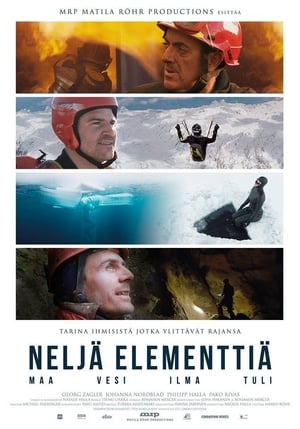
A journey into four classical elements through the four main characters of the film. The main characters in the movie represent each of their own elements.
Mike Harris is an accomplished writer, explorer and film producer who had led major expeditions around the world. In 1980, Mike organized a group of marine scientists and oceanographers and led them on the first ever expedition to search for the Titanic in the North Atlantic. His film "Search for the Titanic" featured legendary actor Orson Welles as his on-camera host and narrator. On Mike's second Titanic expedition he produced "Return to the Titanic" which featured television star James "The Virginian" Drury. Jim actually joined Mike on his second historic expedition.
The Sealab project, launched in 1969 off the shore of northern California, was the brainchild of a country doctor turned naval pioneer who dreamed of pushing the limits of ocean exploration like NASA did space exploration. The massive, 300-ton tubular structure was a pressurized underwater habitat, complete with science labs and living quarters for divers who would live and work there on the ocean floor for days or even months at a time. During the height of the Space Race, this daring program also tested the limits of human endurance and revolutionized the way humans explore the ocean.
Kancha Sherpa was one of 103 Sherpas that brought Sir Edmund Hillary and Tenzing Norgay to the top of Mt. Everest in 1953, as the first to reach the top. This achievement would have been impossible without the strength, courage and knowledge of the Sherpas, who have a strong connection to the mountains of the Himalayas. At the age of 80, Kancha is the Last of the First from the 1953 expedition to Mt. Everest. Kancha is looking into the future, with a heartfelt hope that his tradition, will reach far into the 21st century and beyond. He is concerned to see modern traditions melting away old traditions, like the snow on top of Everest.
A contemplation of art and adventure in the southern wilds of New Zealand by both a landscape photographer and an adventure filmmaker. This film is the unexpected result of their two unique perspectives.
Journey into Amazing Caves is an extraordinary IMAX adventure into the depths of the earth to uncover the secrets to life underground.
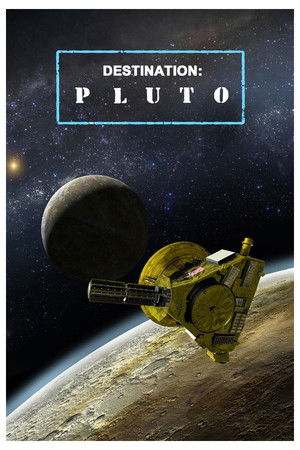
The New Horizons team examines the latest findings and imagery from Pluto and the fringes of our solar system revealing a world unlike any other we've seen before.
Werner Herzog gains exclusive access to film inside the Chauvet caves of Southern France, capturing the oldest known pictorial creations of humankind in their astonishing natural setting.