Explores the Pyramids of Giza as Egyptologists try to unravel the mysteries and decipher the clues behind these stone giants built over 4,500 years ago.
A documentary about archaeology, which, based on traces and finds hidden underground, creates a picture of the beginnings of the history of the Czech lands, which goes back to the Ice Age 30,000 years ago.
49,000 year old Neanderthal bones have been discovered by chance in a remote, mountainous region of Northern Spain. The bones may help solve the biggest Neanderthal puzzle of all – why we are here today and Neanderthals are not. ‘The Neanderthals’ dark Secret’ revolves around ongoing investigations deep inside the forbidding subterranean cave system called El Sidrón. Here, Palaeontologist Antonio Rosas and Archaeologist Marco de la Rasilla are in their 11th year of excavation. Bones from at least 12 people and 400 stone tool fragments have been recovered. We’ll bring these people back from the past. Our haunting, hologram-like Neanderthal characters, will communicate to the scientists of today, as they unlock the secrets of El Sidrón. Many mysteries surround the site, foremost, how the bones and tools came to be here in the first place. The remains aren’t weathered nor do they show signs of scavenging from large animals.
A slide about the importance of accidental archaeological finds for the development of archaeological science and the study of history. The film appeals to farmers and construction workers in particular, urging them to report similar findings immediately.
The Colosseum: the jewel of Ancient Rome. It wowed vast crowds with extraordinary battles. It pushed the boundaries of technology. It exhibited Rome’s vast wealth and power. Roman leaders spread the Colosseum’s design throughout the Empire, and it helped them conquer the ancient world. But just as the structure embodied Rome’s power, so too did it contribute to the Empire’s downfall.
Documentary following the 1955–1956 Norwegian Archaeological Expedition's investigations of Polynesian history and culture at Easter Island.
Le mystère Atlit Yam - 10 000 ans sous les mers
Ancient pharaoh Akhenaten was almost lost to history. Canadian archaeologist Donald Redford, who uncovered the foundation of one of the pharaoh’s many temples, attempts to finally piece together this great Egyptian ruler’s enigmatic story.
A film on the "SAPPHIRE", the oldest identified wreck in Canadian waters. Parks Canada's underwater archaeology team is responsible for the excavation of the three-hundred-year-old frigate.
Sur la piste des jardins de Babylone
Le monde perdu des rois sumériens
In December 1994, an archaeological marvel hidden deep inside France's Gorges de l'Ardèche was revealed to the modern world for the very first time: the Chauvet cave. Scientists immediately recognised the importance of this discovery. Sealed by a landslide more than 20,000 years ago, the cave had been extraordinarily well preserved. With over 1,000 paintings adorning its walls, Chauvet is a cave art jewel. How were the hidden chambers first formed? Who created the extraordinary art? And how can we preserve it for future generations? Follows a 30-year archaeological, geological and artistic adventure as scientists endeavour to understand and conserve this exceptional record of humanity's distant past.
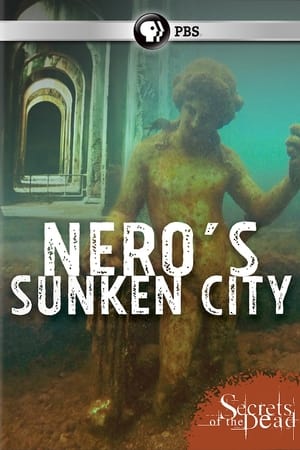
Beneath the turquoise waves of the Bay of Naples lies an extraordinary underwater archeology site, the ancient Roman city of Baiae. From the first century to the third century AD, Baiae was the exclusive playground for the rich and powerful among Rome’s elite. What made Baiae such a special place? What really went on there? And why did it disappear?
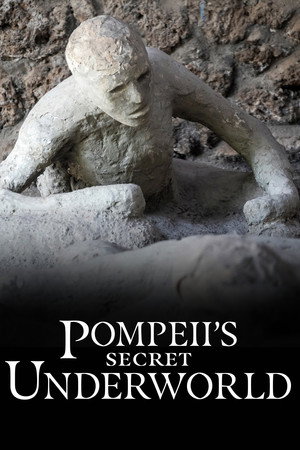
For over two centuries, archaeologists have hailed Pompeii as a sophisticated city at the heart of an advanced ancient civilization. But a series of new excavations is painting a much more complex picture of the city tragically buried by the eruption of Mount Vesuvius in 79 CE. New archaeological finds (including 2,000-year-old lines of graffiti, human remains, and artifacts from ancient homes and businesses) are revealing a city of both staggering wealth and extreme poverty, dependent on slavery, and riven by political conflicts, violence, and riots.
From the far north of Canada to the southern tip of Chile, through the southern United States, central Mexico and the Brazilian Mato Grosso, new concordant but still controversial archaeological discoveries have brought a new paradigm to the archaeology of American prehistory: the appearance of the first humans on the continent could date back to nearly 30,000 years before our era, that is to say, about 15,000 years earlier than the commonly accepted and taught thesis. Although there were a few mavericks in the past who disputed the scenario according to which the first ancestors of Americans arrived on foot through the Bering Strait 16,000 years ago, they were long kept out of the scientific community.
Focused on the 2018-2020 excavation of Todos los Santos Church on Heping Island, Taiwan, this film delves into maritime exploration and colonisation of Taiwan. The director combines archaeological findings with a cross-disciplinary musical performance, capturing the delicate excavation process. Furthermore, the film traces a creative journey from the site to historical events in Asia.
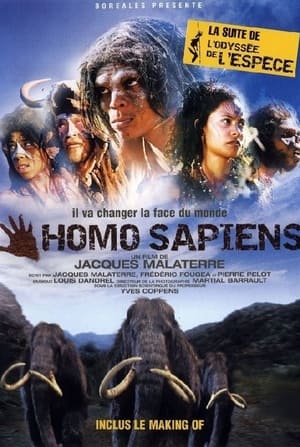
Two hundred and fifty thousand years ago, the first direct representative of our species appeared on earth: Homo Sapiens... From 400,000 to 20,000 BC, we follow the destiny of Homo Erectus, Neanderthal and Sapiens. We will thus discover the appearance of language, art, cults, agriculture, and breeding.
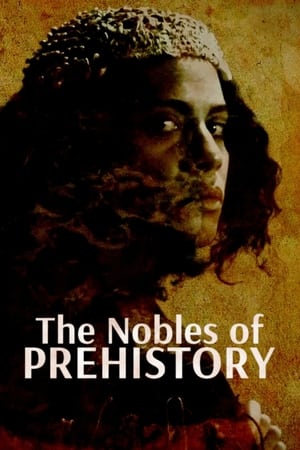
In 1872, in the cave of Cavillon in Monaco, archaeologist Émile Rivière (1835-1922) unearthed an apparently very old human skeleton, at least 24,000 years old, a discovery that changed the modern image of prehistoric men and women.
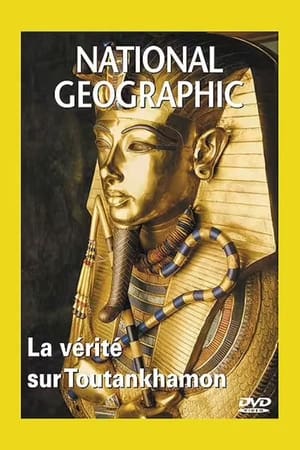
As part of a high-tech forensic probe into the demise of Egyptian Pharaoh Tutankhamun, scientists use X-rays and CT scans as they attempt to reach a conclusion about just how this famed king died. In addition, they explore the mysterious curse on explorers linked to Tut's tomb excavation.
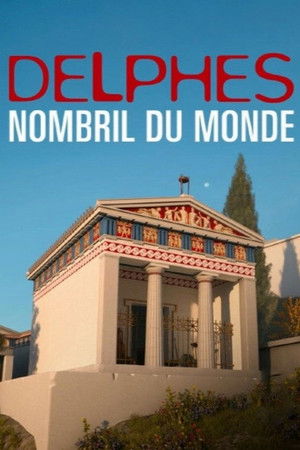
Delphes, nombril du monde