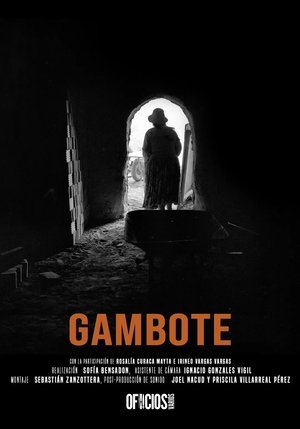
“Rosa, why do we look at the sky so much?” Irineo asks his wife. The clay-rich mountains of the Chuquiago Valley, on the slopes of the city of La Paz, Bolivia, are transformed into bricks every day. Grinding, mixing, pressing, drying, and firing are some of the tasks Rosa and Irineo carry out as part of their daily routine making gambote, a particular type of brick. As they work, we share in the intimacy of their everyday lives. A portrait of an ancient craft and of the importance of looking at the sky.
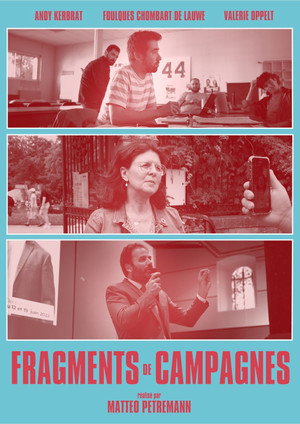
A documentary on American political campaign marketing tactics and their consequences.
Mein Name sei Altmann
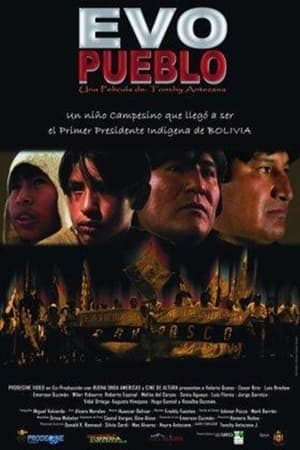
This is the history of a young farmer of the Bolivian plateau that becomes the first indigenous president of Bolivia. His childhood consists of shepherding ewes in the small school located in Orinoca where he befriends Reneco and Jamie, as well as his first love Wilma. All of them partake in different stages of each others lives. At the young age of 17 he is transferred to Oruro mining city in the heat of the Bolivian plateau. In order to survive he will have to work as a brick maker, baker, and trompetista in the Imperial band. The poverty and continuous droughts in the Moral field force the family Ayma to migrate towards the cochabambino tropic. In the tropical Chapare, Evo will become the biggest coca grower, soon to be delegated and win in the elections for president in 2005 with 54% votes. Evo Pueblo depicts the reality of our country, accounting for the common man that inhabits Bolivia through his fights, joys, poverty, exclusion and marginamiento.
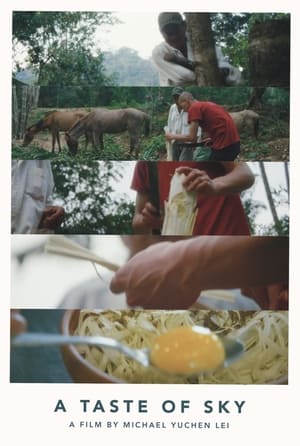
Danish culinary entrepreneur and Noma co-founder Claus Meyer has kickstarted a gastronomic revolution in Bolivia’s capital of La Paz with the opening of Gustu, a fine-dining restaurant and cooking school for the country’s impoverished youth. Kenzo, a hunter raised in the Bolivian Amazon, and Maria Claudia, a native of the Andean altiplano, have resettled in La Paz in order to pursue a career in the culinary arts. Under the tutelage of Meyer, these young Bolivians are working towards a better future as they attempt to establish their country as the world’s next great culinary destination.
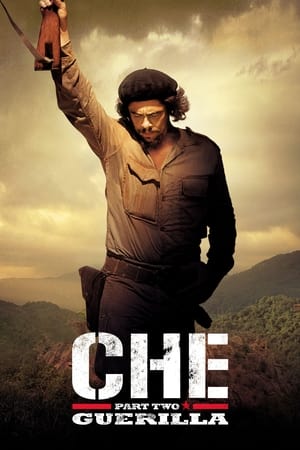
Seven years after his triumph in Cuba, Che winds up in Bolivia, where he tries to ignite the same revolutionary fires as before.
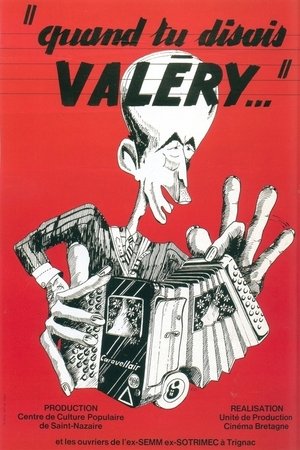
Divided into five parts, this film traces the long strike by workers at the Caravelair caravan factory in Trigniac, near Saint-Nazaire, led by the C.G.T. and C.F.D.T. unions. Shot in 1975, the film achieved the strange feat of being produced entirely by workers' producers - 15,000 of them paid in advance for their tickets - and of being amortized, and even made profitable, by being shown outside the commercial circuit alone.
A silent excavation of everyday objects gradually reveals the site as Auschwitz-Birkenau, turning archaeological work into a stark meditation on memory and loss.
The film consists primarily of degraded footage of landscapes shot from vehicles moving across the country; meanwhile, 537 computer-generated permutations of the film’s title appear like subtitles—the letters are scrambled over and over again, undermining the meaning of Pierre Trudeau's infamous motto.
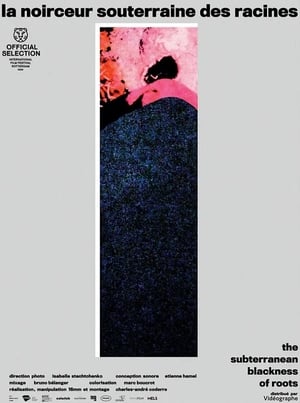
Shot in Quebec, Canada, The Subterranean Blackness of Roots is a 16mm film triptych which uses several processes specific to analog cinema (hand processing, optical printing, photochemical alteration). The film seeks to show the sensory experience of the invisible life of stones, plants and the nature that surrounds us. It’s a dive into the heart of matter, the essence of the vegetal world and the nourishing earth.
Flucht vor Hitler - Die Wiener in China
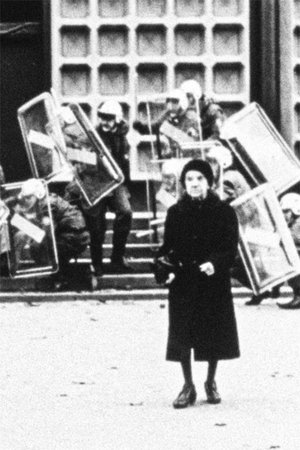
This experimental film is constructed from still photos of the violent protests in response to then-US President Ronald Reagan’s visit to (West) Berlin in 1982 and illustrations by the French artist Gustave Doré.
A female voice narrates, as if it were an educational film or a report, the social changes that have taken place as a result of the digital imposition on all aspects of life: a new achievement of the “American Dream”.
In just 15 years, Stromae rose to global fame with deeply personal songs and record-breaking success. Yet, behind the spotlight, he struggled with the weight of it all. This documentary explores his meteoric rise, inner battles, and the mystery behind his sudden retreat from the stage.
A benefit concert for LA Fire Relief, streaming live from The Hollywood Palladium.
A basketball team born out of an egg, in a hockey-crazed city, playing in a baseball stadium, fights for survival and ultimately conquers a nation and the league. This documentary offers an in-depth look at how a fledgling franchise transformed into a cultural phenomenon, uniting communities and reshaping Canada's identity.
Louis XI, un règne de terreur !
Fragments de Campagne
A 55-minute film by director Xavier Giannoli that analyses 'À nos amours'. The film features former Cahiers du cinéma editorial director Jean-Michel Frodon, actors Jacques Fieschi and Sandrine Bonnaire, and other members of the cast
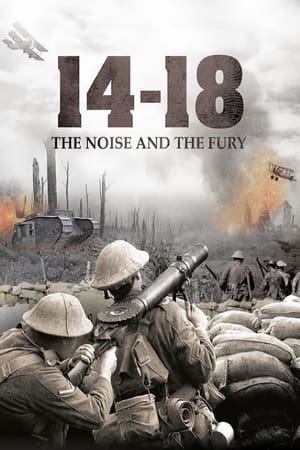
Not everything has been told about World War One. This documentary tries to explain how tens of millions of men could have suffered the unbelievable toughness of life in trenches during the 4 year ordeal. How could they have accepted the idea of a sure death or injury while not being able to tell why they were fighting.