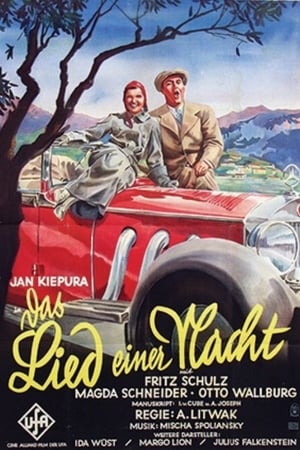
He was known as Anatole Litvak during his Hollywood directorial career, but he was still Anatole Litwak when he helmed the German musical Das Lied Einer Nacht (The Song of Night). Famed Polish tenor Jan Kiepura stars as famed Italian tenor Ferraro. Escaping from his tyrannical manager, Ferraro switches identities with a young tourist (Fritz Schulz) and goes off on an unscheduled Swiss holiday. Still travelling incognito, our hero falls in love with a winsome mountain girl (Magda Schneider). Alas, both his romance -- and his freedom -- are placed in jeopardy when it turns out that the charming young fellow with whom Ferraro traded identities was actually a notorious swindler. Anatole Litvak also directed the English-language version of Das Lied Einer Nacht, Be Mine Tonight
During the Nazi occupation of 1944 Rome, Resistance leader Giorgio Manfredi is pursued by the Nazis as he seeks refuge and a means of escape.
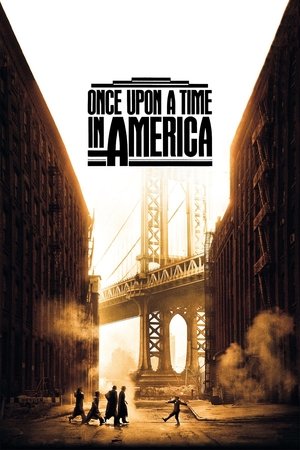
A former Prohibition-era Jewish gangster returns to the Lower East Side of Manhattan over thirty years later, where he once again must confront the ghosts and regrets of his old life.
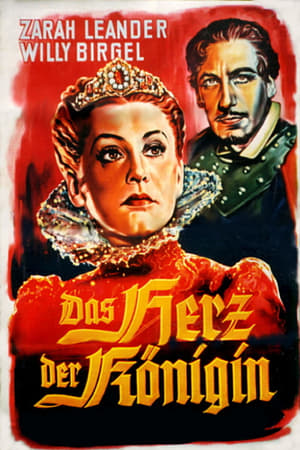
As the title "The Queen's Heart" suggests, this early German black and white version of Mary Queen of Scott's eventful reign and death focuses on her emotional perception rather lyrically, with some songs, mainly by her.
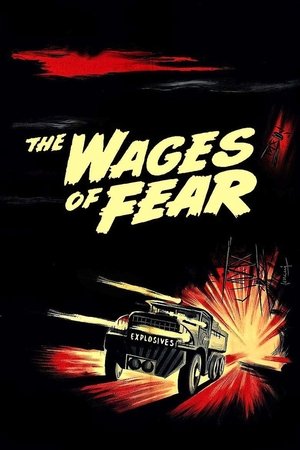
In a run-down South American town, four men are paid to drive trucks loaded with nitroglycerin into the jungle through to the oil field. Friendships are tested and rivalries develop as they embark upon the perilous journey.
Follows the Bulgarian people's struggle for national independence in the period from 1875 to the Liberation from Otoman bondage.
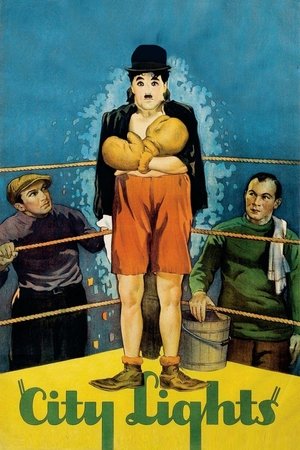
A tramp falls in love with a beautiful blind flower girl. His on-and-off friendship with a wealthy man allows him to be the girl's benefactor and suitor.
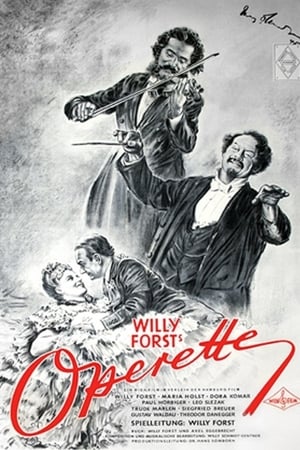
A musician is offered a job in Vienna as stage director, but his disagreements with the aristocratic opera manager end in abrupt firing in spite of a mutual attraction. He's quickly engaged by another theatre and becomes famous for his lavish stage productions and fine acting, which begins their golden age with Suppé and Strauss.
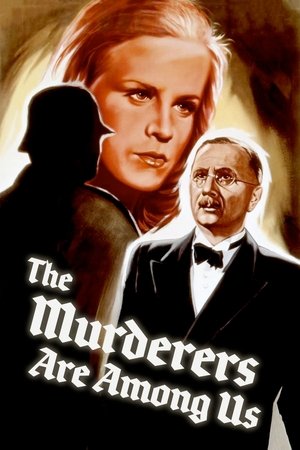
After returning from a concentration camp, Susanne finds a traumatized ex-soldier living in her apartment in bombed out Berlin. Together the two try to move past their experiences during WWII.
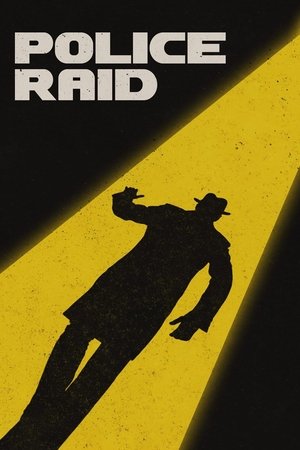
Shortages in postwar Berlin have created a blooming black market, and the goods rounded up during a major police raid all seem to come from the same source. The trail leads Commissioner Naumann to the Alibaba Cabarett, but he is unable to find conclusive evidence to convict its owner Goll.
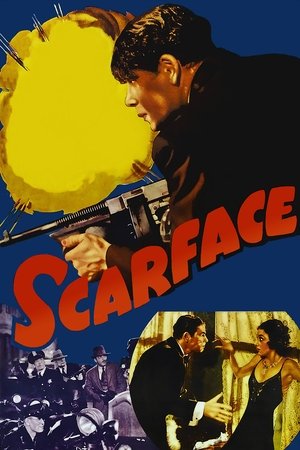
In 1920s Chicago, Italian immigrant and notorious thug, Antonio 'Tony' Camonte, aka Scarface, shoots his way to the top of the mobs while trying to protect his sister from the criminal life.
When former Green Beret John Rambo is harassed by local law enforcement and arrested for vagrancy, he is forced to flee into the mountains and wage an escalating one-man war against his pursuers.
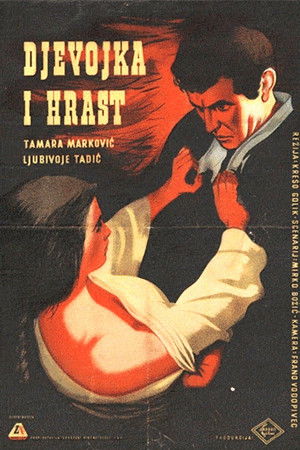
Smilja is a little girl living in Dalmatian Zagora. One day, her mother dies under a small oak tree and she is left without parents. Luckily, she gets adopted and continues to nurture the oak where her mother died. Many years later, Smilja is a handsome woman, but her jealous stepbrother Josip kills her boyfriend Ivan and rapes her. Ivan's brothers swear revenge.
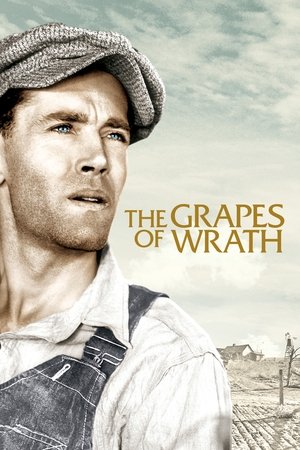
Tom Joad returns to his home after a jail sentence to find his family kicked out of their farm due to foreclosure. He catches up with them on his Uncle’s farm, and joins them the next day as they head for California and a new life... Hopefully.
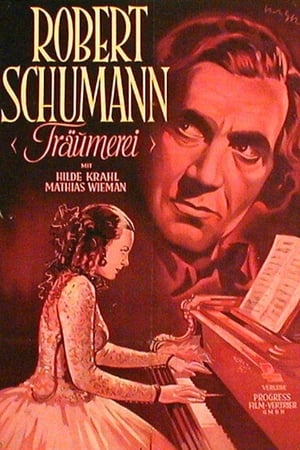
A musical film based on biographical facts about Clara Wieck's love for composer Robert Schumann (1810-1856), her marriage against her will, Schumann's triumph, and his tragic end due to mental illness. The film is beautiful and entertaining, full of noble spirit and beautiful words about art and love, which only conflict in a theoretical context; not least thanks to its solid cast, this film is quite serious and far from kitsch. Completed in 1944, during World War II, the film was rejected by the Nazi leadership, but was eventually released and enjoyed success with an audience already weary of war.
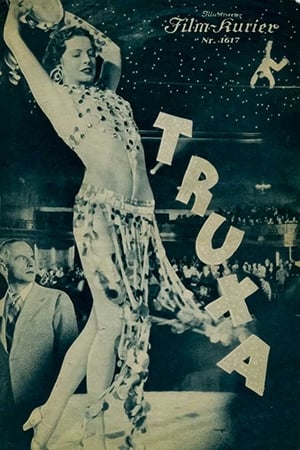
The famous tightrope artist Truxa is drinking at the Artisan bar in New York. He meets a young man, Husen, and gives him his stage name Truxa. He is to take the real Truxa's place at a circus show in Wintergarten, Berlin.
A character study depicting the life of Rembrandt Van Rijn at the height of his fame in the mid 1600s. Beginning with the death of his wife, Rembrandt's work takes a dark turn, which offends many of his patrons.
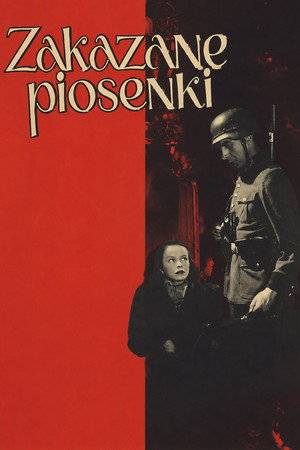
Set during the German occupation of Warsaw during WWII, this musical tells the story of several inhabitants of the same tenement house.
Martha Eggerth heads the cast of Casta Diva, but the central character is famed Italian composer Vincenzo Bellini, here played by American actor Phillips Holmes. Paying but scant attention the facts, the film concentrates on Bellini's colorful love life. Evidently the film went through several rewriting processes, as witness the curious performances of Donald Calthrop and Arthur Margetson, whose characters do complete about-faces halfway through the story. Amidst so many British accents, Martha Eggerth's Polish intonations seem out of place, but she photographs beautifully and sings quite well. Casta Diva was attractively filmed on location in Naples. Not to be confused with the 1954 remake (by Gallone himself) or to the English language version "The Divine Spark" (also directed by Gallone and starred by Eggerth).
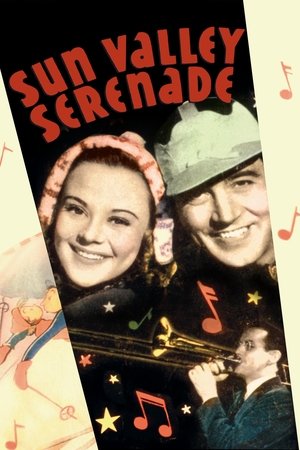
When Phil Corey's band arrives at the Idaho ski resort its pianist Ted Scott is smitten with a Norwegian refugee he has sponsored, Karen Benson. When soloist Vivian Dawn quits, Karen stages an ice show as a substitute.