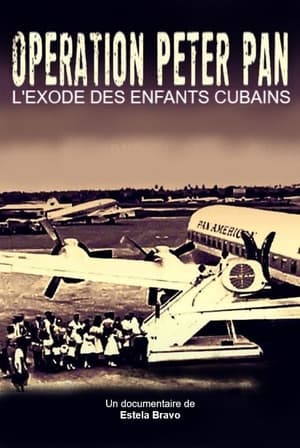
Between 1960 and 1962 more than 14,000 cuban children were sent alone by their parents to the USA. This clandestine operation -with the participation of the CIA and the Catholic Church- became known as "Operation Peter Pan". Many of the parents had expected to follow their children, who had been granted visa waivers by the US government, but the Missile Crisis terminated the flights between the two countries and the children found themselves stranded in the USA. In 2009, for the first time a group of the Peter Pan children, now adults visited Cuba to give "closure and make peace with the land where they were born".
Cuba Jazz
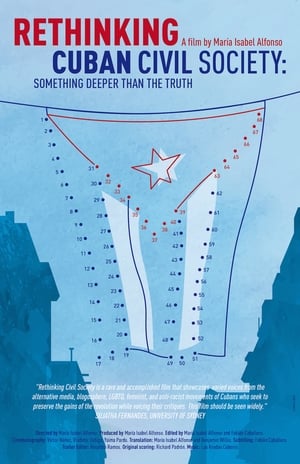
The notion of a Cuban civil society is often misrepresented in the U.S. mainstream media. According to most sources, Cuban civil society is limited to the opposition, which has little impact on the Cuban political scenario. Regardless, yearly, the U.S. government allocates tens of millions of taxpayer money to empower dissidents in the island. By doing so, it overlooks genuine expressions of pluralism, reform and contestation which are shaping the Cuban public sphere, sometimes in autonomous ways, sometimes within State-run institutions. Through in-depth interviews to members of Cuban Civil society, this documentary explores the complexities associated to these processes, following the itinerary of the debate about the concept of civil society generated in Cuba, since the 90s to the present.
A docu-drama shot in 1970, but not completed until 1973, the film sought to encapsulate in an experimental form issues that were under discussion within the Women’s Liberation Movement at this time and to thus contribute to action for change. In its numerous community screenings, active debate was encouraged as part of the viewing experience.
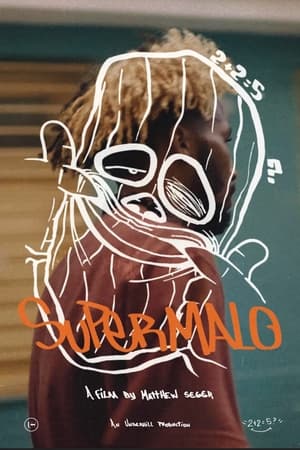
As the walls of Cuba's ageing infrastructure continue to crumble, a burgeoning street art scene is born in Havana. Murals of hand-painted masked character – Supermalo – with the tag “2+2=5?” have begun to appear in seemingly every corner of the heavily foot trafficked city.
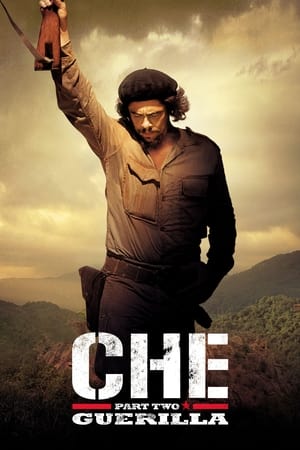
Seven years after his triumph in Cuba, Che winds up in Bolivia, where he tries to ignite the same revolutionary fires as before.
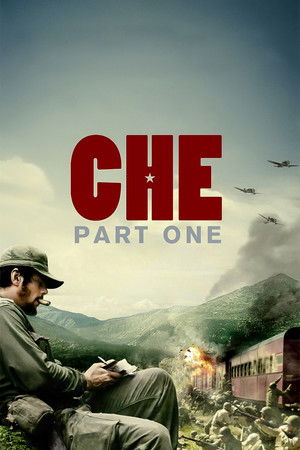
Ernesto Guevara, known as 'Che', leads a group of Cuban exiles under Fidel Castro in a revolution to overthrow Fulgencio Batista, the dictator of Cuba.
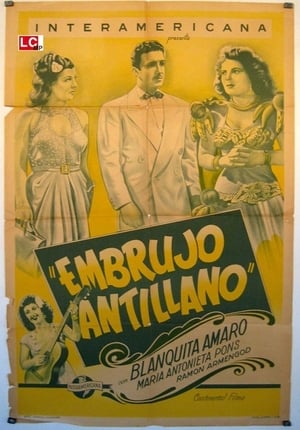
Power struggles among the owners of a cigar factory;meanwhile, a society babe and a factory girl compete over the youngest of the executives.
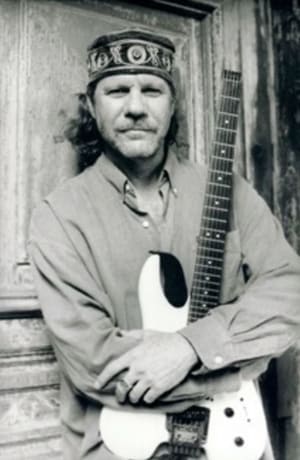
The young American Pablo Menéndez came to Cuba to study Music at the National School of Art. Here he formed a family and became one more Cuban. Member of the Sound Experimentation Group of ICAIC and promoter of the teaching of the electric guitar in Cuba, he is, together with his group Mezcla, one of our most original musicians.
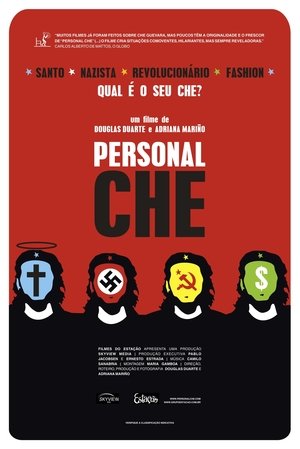
A documentary that explores the myth behind the truth. Different people around the globe reinterpret the legend of Che Guevara at will: from the rebel living in Hong Kong fighting Chinese domination, to the German neonazi preaching revolution and the Castro-hating Cuban. Their testimonies prove that the Argentinian revolutionary's historical impact reverberates still. But like with all legends, each sees what he will, in often contradictory perspectives.
The Antonio Maceo Brigade consists of fifty-five children of Cuban families that escaped the revolution and settled down in Miami. To the annoyance of their parents, the children developed pro-Castro ideas. This documentary follows the Brigade on its first visit to Cuba. When they meet family members and embrace old neighbours, childhood memories surface.
Documentary about the history of the bateyes, informal settlements surrounding the mills to house workers. Throughout the film, Sara Gómez recovers the political and cultural relevance of black migrants.
El día más largo
Daimara y el Baile Zombie
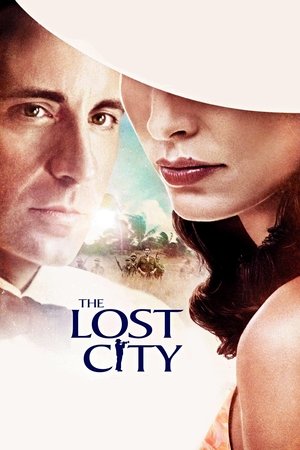
In Havana, Cuba in the late 1950's, a wealthy family, one of whose sons is a prominent nightclub owner, is caught in the violent transition from the oppressive regime of Batista to the Marxist government of Fidel Castro. Castro's regime ultimately leads the nightclub owner to flee to New York.
A deep dive into the lives and experiences of those impacted by the Fidel Castro era in Cuba.
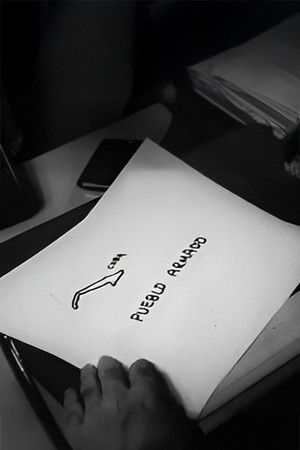
Shot in Cuba in 1961, this documentary follows a volunteer militia brigade organized in defense of the Cuban Revolution. Joris Ivens and his crew observe military training, daily life, and collective discipline among civilian volunteers. The film emphasizes popular mobilization as a defining feature of the revolutionary state.
Photographer Joe Guerriero sets out to make sense of the U.S. trade embargo of Cuba. Through conversations with people from all walks of life, in and outside of Cuba, he tries to shed light on the political and human sides of this conflict.
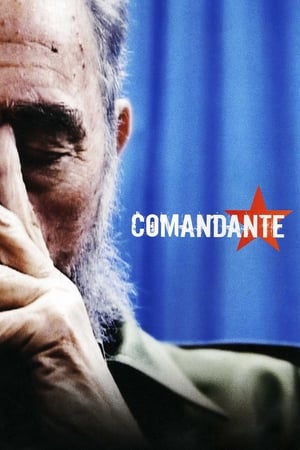
Oliver Stone spends three days filming with Fidel Castro in Cuba, discussing an array of subjects with the president such as his rise to power, fellow revolutionary Che Guevara, the Cuban Missile crisis, and the present state of the country.
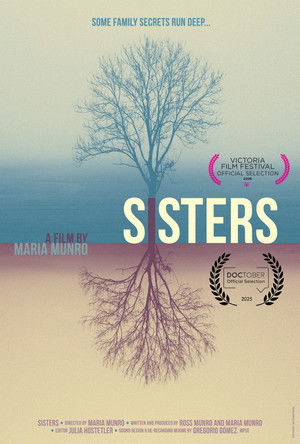
“Sisters” is a deeply personal story about my journey back to my home country of Venezuela to investigate the possibility of a long lost sister.