L'Énigme de la pyramide maudite : Dahchour
Half-timbered houses, storks, wine, sauerkraut, traditional headdresses, the Alsatian accent: these images and clichés of Alsace occupy the imagination of almost all French people. Few other regions can boast such a charming and popular heritage. But behind this apparent prosperity and love of a job well done lies a more painful history. Ravaged by three wars in less than a century, Alsace saw its inhabitants forced to change nationality four times during a single lifetime. A tormented, extraordinary destiny, little known to the rest of the country.
L'Histoire secrète de la Résistance
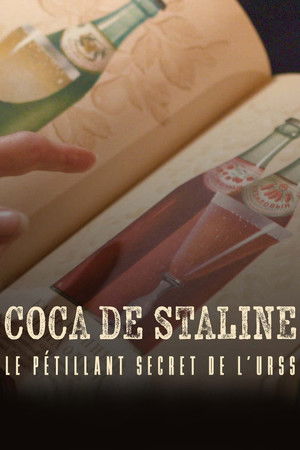
The story of a mysterious soda developed by legendary Georgian juicemaker Mitrofan Lagidze on the order of Stalin in the early 1950's. In the so-called lemonade war Lagidze was instructed to create a soft drink better than Coca-Cola.
"Mapu Kufüll" was conceived as a video installation that reflects on the cosmological perspective of the Mapuche people in relation to mushroom harvesting. It is an animated ‘tale’ portraying mushrooms as a symbol of resistance for the Mapuche communities post the “Araucania Pacification” period.
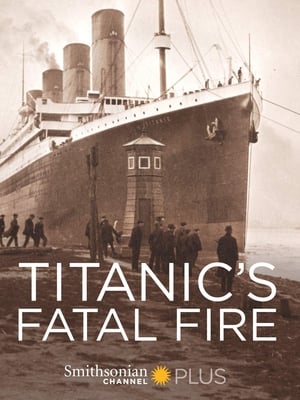
The sinking of the Titanic sent shockwaves around the world and started debates that continue to this day. But new, explosive evidence from the most unlikely of sources may finally lay all arguments to rest and reveal, for the first time, the full story of what possibly doomed the "unsinkable" liner. Join us as we unveil recently discovered and never-before-seen photographs of the super ship that exposes shocking clues that investigators and historians once dismissed but can no longer ignore.
La belle histoire de Noël
Zahi Hawass, an Egyptian archaeologist, has been excavating the ancient necropolis of Saqqara, south of Cairo, for several decades. He hopes to discover the tomb of Imhotep, the architect of humanity’s first pyramid: Djoser’s Step Pyramid. Together with his team, he will unearth fabulous tombs and uncover the secrets of Egyptian mummies.
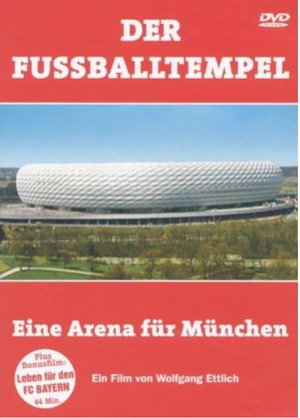
It does not happen every day that a gigantic stadium is built on a greenfield: In October of 2001, the citizens of Munich voted with a clear yes for a new soccer stadium in the north of the city. 66,000 soccer fans of FC Bayern and 1860 Munich will find a new common home in the futuristic looking structure. But before that stand four years of work on a construction site of superlatives. The director Wolfgang Ettlich and his cameraman Hans-Albrecht Lusznat followed the construction of the new Munich soccer arena since the first groundbreaking. They have recorded several phases of the construction and did thereby get to know the microcosm of a large construction site from the inside: The logistics, with which hundreds of construction workers have to be coordinated, and the steady growth of the stadium all the way to the perfectly conceptualized illuminated structure, with VIP-boxes, mass restaurants, and Europe’s largest parking garage.
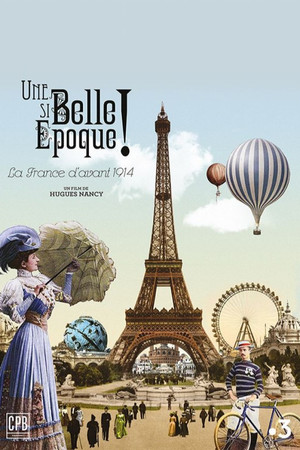
In 1900, the eyes of the whole world are on Paris. The World's Fair welcomed 50 million amazed visitors, and the city celebrated itself in a glamorous era. This period went down in history as the "Belle Époque." Elaborately restored and colorized historical photographs bring to life the exciting life in Paris between the end of the 19th century and the beginning of World War I in 1914. Bicycles, cars, airplanes, moving pictures, newly founded film studios, revolutionary composers and painters, avant-garde ballet performances, fashion houses, summer resorts on the Atlantic coast – life was intoxicating. People celebrate in the variety shows, cabarets, and revue theaters of Paris. Moulin Rouge, Folies Bergères, Bal Tabarin—in Paris, the nights are long and life is too short to sleep through. It is a dance on the volcano, given the political developments in the world.
La Justice sous l'Occupation
Between June 1940 and March 1943, the 1,200 kilometer long demarcation line broke France in two. For almost three years she controlled the daily newspaper of 40 million French people. In the north the zone occupied by Hitler's soldiers, in the south the zone administered by Marshal Pétain's Vichy regime. This film lifts the veil in this theater on the shameful mistakes of the collaboration, but also on the most courageous and noble deeds. Archive images and film recordings at places where the border used to be crossed are alternated with interviews with the last witnesses of this time.
La vie au temps des gladiateurs
La vie au temps de Cro-Magnon
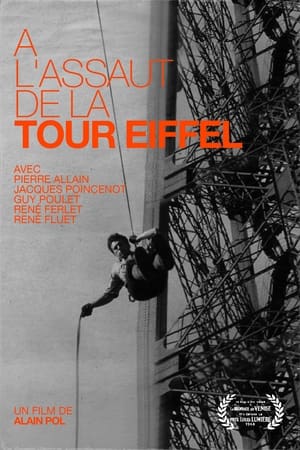
Four experienced mountaineers climb the three floors of the Eiffel Tower through the pillars of the building. A police officer, overwhelmed by the events, does not succeed in arresting the intrepid who reach the summit with agility under the stunned eyes of tourists. They then abseil and happily throw themselves into the Seine to celebrate the feat.
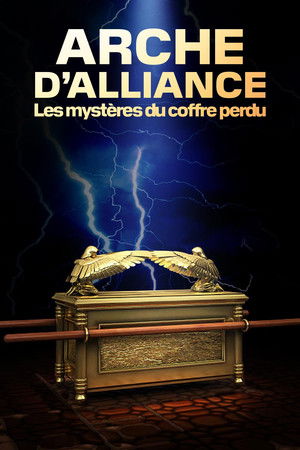
Arche d'alliance : les mystères du coffre perdu
Race tracks are places of longing. But only the Nürburgring in the Eifel is truly spectacular and idyllic at the same time. Loved by fans, feared by drivers: Dozens of bends, many of them with illustrious names: Schwedenkreuz, Karussell, Fuchsröhre, Bergwerk, Brünnchen. To mark the 100th anniversary of the ground-breaking ceremony in 1925, this documentary tells the story of the ups and downs of the Nürburgring.
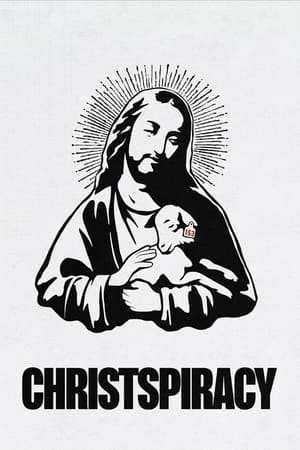
The moral dimension of humanity's interaction with nonhuman animals and the industries that profit from their exploitation, as informed by world religions. A historical explanation of how the current global situation came to be.
The Victorian era is often cited for its lack of sexuality, but as this documentary reveals, the period's artists created a strong tradition surrounding the classical nude figure, which spread from the fine arts to more common forms of expression. The film explains how 19th-century artists were inspired by ancient Greek and Roman works to highlight the naked form, and how that was reflected in the evolving cultural attitudes toward sex.
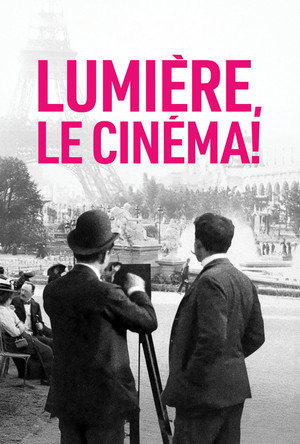
In one of those wonderful coincidences of history, lumière, the French word for “light,” was also the last name of brothers Auguste and Louis, whose brilliant invention, the cinematograph, helped to inaugurate the most beloved art form of the last 130 years. Institute Lumière director Thierry Frémaux uses Lumière, Le Cinema! to guide the viewer through over a hundred shorts—some famous, some forgotten, some never before seen—directed by Lumière and company. In the process, Frémaux illuminates how the brothers employed the camera as a creative instrument as they (and their operators) mastered framing, staging, and subject selection for quotidian and exotic microdocumentaries as well as the first ever fictional motion pictures. The result is not only a glorious re(telling) of the genesis of cinema but a profound meditation on the beautiful world captured—and the mysterious world imagined—by the Lumières.