HOMELESS is a documentary that humanizes unhoused people and explores their backgrounds, dreams and struggles to find the way home. The film aims to raise awareness and funds to end homelessness, which is an ever more urgent global challenge: The United Nations Human Settlements Program estimates that 1.6 billion people live in inadequate housing, and the best available data suggests that more than 100 million people have no housing at all.
Every year in Quebec, 25,000 reports of children being beaten, sexually abused or abandoned are retained by the Directorate of Youth Protection. And nearly 40% of babies who die in the province to die because of the violence of their parents. This explains the fact that nearly 30,000 children are supported by the DPJ until the age of 18. But this government agency is in a position to meet the needs of young people? Journalist and documentary filmmaker Paul Arcand presents the testimonies of children and adult victims of abuse of all kinds, and interviews politicians, social workers and members of the judiciary on their perception of the problem. In addition, Arcand denounces the carelessness of a bureaucratic system that does not always seem to be concerned about the well-being of those for whom they are responsible.
Uncovers the system of abuse and denial that killed a 14-year-old boy in a Florida Boot Camp.
Evelin, 13, is pregnant from a 22-year-old who recently left the drug trade. Luana, 15 years old, declares that she planned her pregnancy, as she wanted to have a child of her own. Edilene, 14 years old, is expecting Alex's child, who also got her neighbor Joice pregnant. Over the course of a year, the daily lives of these three young women are followed.
During the 1980s, claims of satanic ritual abuse ran rife throughout the western world, uncovered by hypnotic therapists and perpetuated throughout the media, including high-rating television talk shows. In Demonic, filmmaker Pia Borg delves into this bizarre chapter of history, examining the elusive line between fact, fiction and the persuasive power of the media.
Three mothers share harrowing experiences of coercive control, exposing warning signs, abusers' tactics, and harsh reality that leaving didn't end the abuse.
Stacey Dooley goes behind closed doors and speaks to the now younger face of domestic violence. She questions victims and abusers to try and understand how deep the issues surrounding domestic abuse are for those who have survived and those currently experiencing the abuse.
Filmmaker Amy Berg sheds light on the sexual, financial and spiritual abuses heaped upon members of the Fundamentalist Church of Jesus Christ of Latter-day Saints by their former leader, Warren Jeffs.
Between 1924 to 1970, Kinchela Boys Home in Kempsey, New South Wales, saw an estimated 400 to 600 Aboriginal children exposed to routine acts of cultural genocide and remains one of Australia’s most notorious institutions of the Stolen Generations. After being stolen from their families, country, and community, children were stripped of their names, given numbers, and subjected to ‘reprogramming’ and strict regimes of manual labour. We Were Just Little Boys is narrated by KBH survivors.
The film begins as a personal journey of filmmaker, Mary Healey, who was also a Catholic. She films a series of historic events where we meet key players involved in the sexual abuse scandal, including victims, whistle-blower priests and a senior ranking US Cardinal who is called upon by the Vatican to control a waxing maelstrom.
At the age of 10, Natascha Kampusch was kidnapped and held captive for eight years by a deranged man. In 2006, she managed to escape, and the world discovered an astonishingly articulate and intelligent young woman. Not only did Peter Reichard film 14 hours of conversations with Kampusch, but he was also the very first filmmaker to obtain exclusive access to the house where she was imprisoned. This is the most complete, explicit and revealing documentary in which Kampusch has participated.
Seven strangers are interviewed to talk about the relationship they have with their mother.
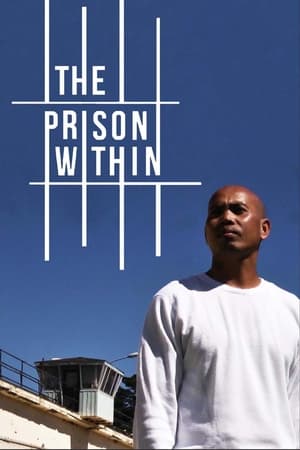
For almost half of his life, Kenneth Viken has been in prison, and he does not know how many times he has been released, only to soon return . In January 2016 he is released again.
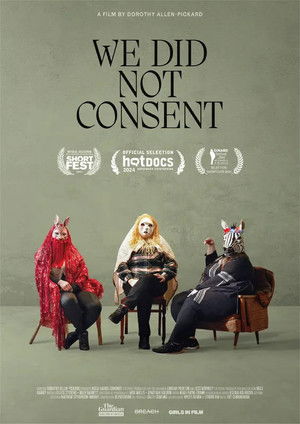
For over 50 years, British undercover police officers have infiltrated activist groups, specifically targeting and manipulating women, forming romantic relationships and even having children with them. Now, three women don animal masks and revisit scenes from their past as animal-rights activists who were taken advantage of by spycops in order to reclaim their power, agency and narrative.
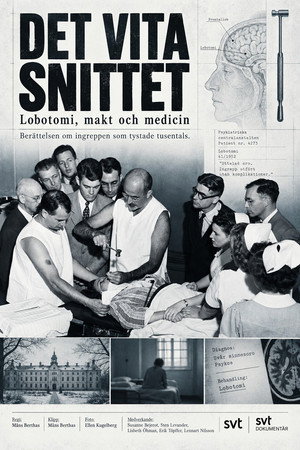
Up to 1970, 4,500 people were lobotomized in Sweden. The majority were women and some were children. The method quickly became a standard in many mental hospitals and the author was awarded the Nobel Prize. But surgical intervention against mental illness did not stop with the lobotomies. In the film we meet patients, doctors and caregivers who tell about their experiences.
Survivors of violent crimes and prisoners incarcerated for murder connect to undergo astonishing transformations, liberating themselves from the debilitating constraints of trauma, and shattering preconceptions of "us and them."
From Kristin Kobes Du Mez, the creator/author of Jesus and John Wayne, comes a powerful new documentary highlighting how a culture of submission and sexual abuse in the evangelical church ties directly to the Christian nationalist quest to use the outcome of the 2024 election to deprive all American women of basic democratic rights. FOR OUR DAUGHTERS speaks to all women of faith, encouraging them to use their voices and their votes to ensure that their daughters will have the rights to health and happiness guaranteed to all Americans.
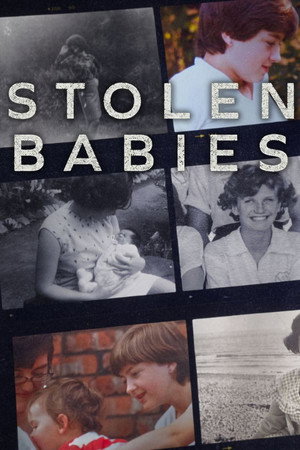
Told by the mothers and children who were separated from one another, this landmark documentary reveals the full scale of the UK's forced adoption scandal. Over four decades, 250,000 unmarried mothers were forced by the British state to give up their babies. Their first-hand accounts expose the system that tore families apart, its lasting impact, and the fight to uncover the truth that led to a moment of national reckoning.
A shocking act, its baffling legacy - the gripping true crime doc. When Mrs Bobbit cut off her husband's penis in 1993, similar cases followed. Why?
The animated documentary - a mix of live-action footage and animation - tells of the brutal everyday life in the orphanages of the 60s / 70s. Often led by Christian orders, more than one million children were physically and physically abused here. The anonymous protagonist tells of her childhood and her very personal struggle against the nuns' arbitrariness and their ruthless authority.