17.10.61
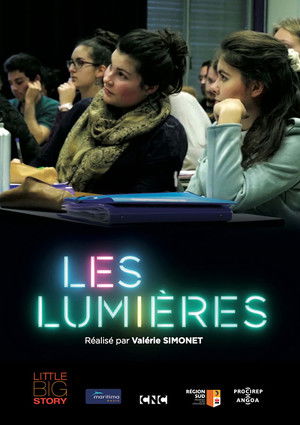
How can we rethink our ways of learning and transmitting knowledge? This film answers this question through the creation of a unique bachelor’s program: the Arts and Sciences Bachelor. The origin of this bachelor lies in the uprising against the 2009 reform of the university. During three years, students explore knowledge through the intertwining of different subjects. Indeed, they discover every aspect of color in sociology, chemistry, and literature. By following four students from their first to their third year, the film explains to the spectator how this bachelor program works. Les Lumières offers a reflection on transdisciplinarity.
Made for the Sheffield and District Workers Film Society by Brian Pickersgill, this film documents anti-war protest marches through the streets of Sheffield to Endcliffe Park in 1936. The film concentrates on the Women’s, Youth, and May Day demonstrations held that week.
A documentation and celebration of 13 years of the Horror-on-Sea film festival in Southend-on-Sea, Essex, U.K.
A short film featuring quotes from Armenian auteur Sergei Parajanov and clips from his masterpiece The Colour of Pomegranates.
They, Erode, Bend, and Flow Outside
Models, calculations, samples: the facts about climate change are on the table, but politicians refuse to acknowledge them. Faced with this dilemma, three scientists decide to leave the laboratory and become activists. Maria, Sebastian, and Nana use their knowledge to maintain integrity between emotion and reason.
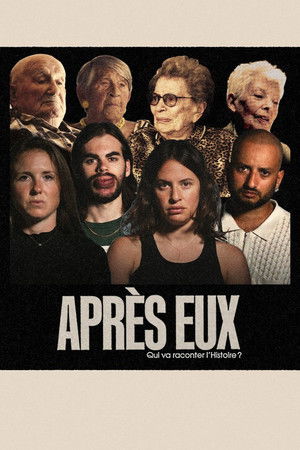
French documentary that explores how the third generation deals with the memory of the Holocaust. It follows grandchildren of survivors—Camille, Frankie, Théo, and Mathis—as they inherit family secrets and the responsibility of bearing witness to this trauma
Lopper
One of Adams Filmi Oy's first films, and the only one that has survived from the company's silent era documentaries. It depicts the test run and inauguration of the large bridge over the Kokemäenjoki River in Pori in September 1926. "Well, it's just a matter of time..." "Well, it should be..." The new bridge was inaugurated on September 26, 1926, and the last pedestrians can be seen crossing the old Charlotta Bridge.
Very few events and occasions of the Finnish labor movement were photographed in the 1920s and 30s. Here is a rarity from the summer of 1927. The main speaker at the union celebration is the veteran, rouser and educator of the Finnish labor movement, Doctor of Philosophy N. R. af Ursin (1854-1936). There is a unique sequence of images: the military section of the army, led by a band, meets the union celebration procession.
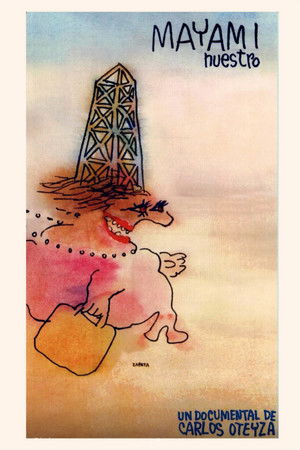
Mayami Nuestro goes beyond the slogan "tá barato, dame dos" (“it’s cheap, give me two”) to force a rethinking of Venezuela’s relationship with oil and national identity. Produced at the height of the oil boom, this 34-minute documentary examines Venezuelan lifestyles in the 1970s and early 1980s, questioning the consumerist fantasies fueled by petro-wealth. Through interviews with merchants, bankers, U.S. academics, and the testimonies of Venezuelans themselves, the film maps the era’s version of the “American Dream” as lived—and projected—abroad. Winner of national and international awards and directed by Carlos Oteyza, Mayami nuestro offers a sharp, historically grounded critique and an open invitation for new generations to reflect on the legacy of oil and its cultural consequences.
Before leaving adolescence behind, a group of students split into fictional characters to film their transition into adulthood. Between cameras, confidences, and a shared journey to the mountains, the film captures the tremor of an ending and the glimpse of another beginning.
An advertising documentary about Mannesmann, a German industrial conglomerate.
Worn By Others
El afinque de Marín (1979) is an iconic Venezuelan documentary directed by Jacobo Penzo that explores the life, culture, and popular music of the Caracas neighborhood of Marín. Far from being merely a film about music, it delves into the social roots and collective identity of the barrio, using rhythm and everyday life as a lens to reveal the bonds, struggles, and shared histories of its inhabitants. Through its intimate portrayal of people, sounds, and spaces, the film becomes a vivid testament to popular culture as a living expression of community and belonging.
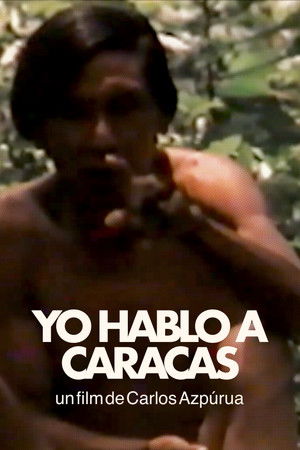
Yo hablo a Caracas (1978), the first documentary by Carlos Azpúrua, is marked by the luminous presence of the Yekuana shaman Barné Yavarí. This elder from the Amazonian forest articulates two powerful and prophetic warnings: first, a demand for respect toward the sovereignty of Indigenous beliefs and culture; second, a grave denunciation of the threat posed by “criollo” presence and its economically irrational logic to the natural balance of the Amazon. Through Yavarí’s voice, the film contrasts modern exploitation with a millennia-old Indigenous worldview grounded in harmony with nature, turning the documentary into an early and resonant plea for cultural dignity and ecological consciousness.
In rural Vermont, aging sugarmakers honor a centuries-old tradition in this powerful meditation on family legacy, loss, and resilience. Through seven distinct portraits, the film forms a rich tapestry of stories about how we spend our time on this earth—and what we leave behind.
Pigs are animals that we think we know well, but our representations of them are sometimes far from the truth. Extremely intelligent and sensitive, they share many similarities with humans, not only genetic. Meet five piglets and follow their lives from birth to adulthood. A miniature domestic pig in California, a truffle pig in France’s Périgord, a feral pig returned to the wild in the United States, a wandering pig in a village in northern Laos, and a “tourist attraction” pig on a small island in the Bahamas. What part of their instincts do pigs keep despite their domestication? What type of interactions can they have with Man? Five pigs, five destinies, five realms. This touching wildlife documentary weaves together five compelling stories that reveal little-known secrets about pigs.
Concert film with Eva Dahlgren featuring an interview with her as well.