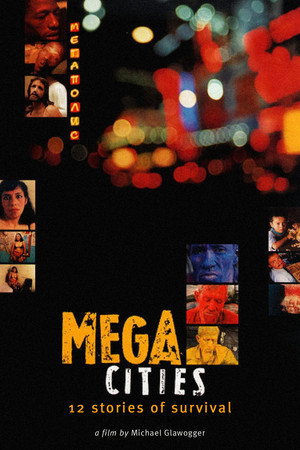
Megacities is a documentary about the slums of five different metropolitan cities.
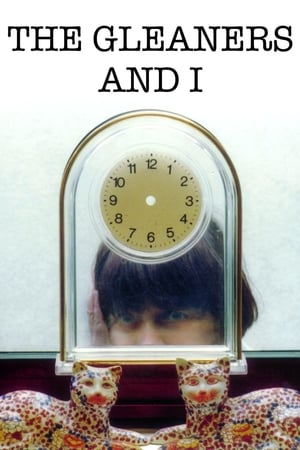
Varda focuses her eye on gleaners: those who scour already-reaped fields for the odd potato or turnip. Her investigation leads from forgotten corners of the French countryside to off-hours at the green markets of Paris, following those who insist on finding a use for that which society has cast off, whether out of necessity or activism.
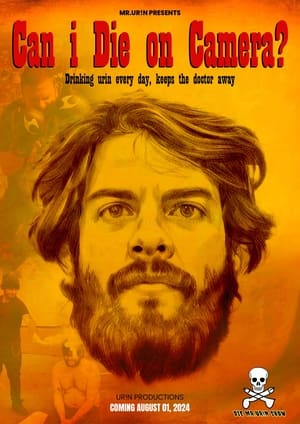
Can i Die on Camera?
Produced by Alfred Higgins Productions with assistance from the University of Missouri-Columbia’s Academic Support Center Film Library, Keep America Beautiful, Inc., and Keep Los Angeles Beautiful, Inc., the 1963 short film A Land Betrayed examines the various ways people have spread the “cancer of ugliness” across America and offers call-to-action solutions to combat the nation-wide problem.
Report on vandalism
For most of the world, consumption has been the unquestioned duty of every individual. Then garbage activist Annie Leonard brought her two-hour lecture to Free Range who helped her turn it into a 20-minute animated revolution. Shown in thousands of classrooms, endlessly blasted by Fox News, viewed more than 10 million times, The Store of Stuff finally opens the door to a serious cultural dialog about the costs of consumption.
A film about our garbage that is found in the most remote areas and about the people who try to dispose of it. Not only in the sea and on coasts, also in the Arctic, the jungle, high up on the mountains and deep inside the desert, garbage is found almost everywhere in various forms and dimensions, sometimes as whole car wrecks, old TV sets or simply construction rubble, but mostly in the form of disintegrated plastic particles a few millimetres in size. Humanity has handed out its visiting cards thoroughly.
Over eight million tonnes of plastic enters the ocean each year, killing sea life. Now new evidence says it's entering our food chain with unknown health effects.
Environmental activists have been trying to prevent the dumping of nuclear waste on the high seas since the 1970s. But the nuclear freighters always won. Barrels of radioactive waste were simply thrown overboard. When the public found out what was happening at sea, the environmental organization Greenpeace won its battle.
On a cold winter morning, a lone piano stands curbside in New York City. All day long, passersby stop to play. They collect and disperse, measure and push. Who abandons a piano? Plinking slightly out-of-tune over the white noise of Broadway's cars, buses, trucks, and sirens, the piano awaits its fate. Solo, Piano - NYC is a 5-minute film of the last 24 hours of a once-wanted piano.
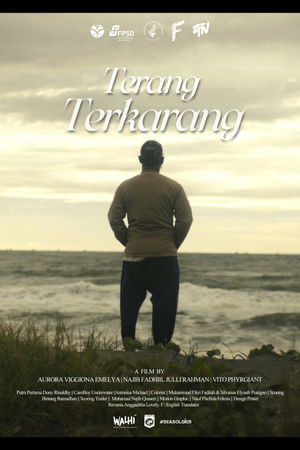
Kang Entis who is a former fisherman in Palabuhan Ratu, struggles to defend his life when the sea damage due to garbage and development eliminates his livelihood.
This short film presents an unusual Beverly Hills store called the Patio Shop, where trash is turned into art.
Sé contentarme
Amidst the ivy-draped remnants of once-notorious public housing projects, FOR THOSE THAT LIVED THERE weaves a visual tapestry, navigating the poignant impacts of gentrification, the displacement of Black legacies, and the emergent migrant narratives. Against Chicago's ever-evolving skyline, this evocative exploration immerses audiences into the soul of a neighborhood transformed.
This Rose will forever be Chicago Red.
Documentary about the messie Günther Hilmer, in whose house the garbage is piled up to the ceiling. For him, trash is more of a passion than a vice, but his particular penchant for garbage has negative consequences for his social life.
Stars, director and producers of Chicago (2002) are interviewed about the film with a decade of hindsight.
In the wake of the assassination of Martin Luther King in 1968, chaos erupted on Chicago’s West Side. Grief turned into anger as protests, riots, looting, and fires consumed some neighborhoods. Audio-narrated descriptions of key visual elements are available.
Chicago Metropolitan Planning Council (MPC) introduces tenant management into Chicago Public Housing at Cabrini Green, Ida B Wells developments. Bertha Gilkey worked with tenets. Seen nationally on PBS.
The twin brothers who invented the "dab" tell their story.