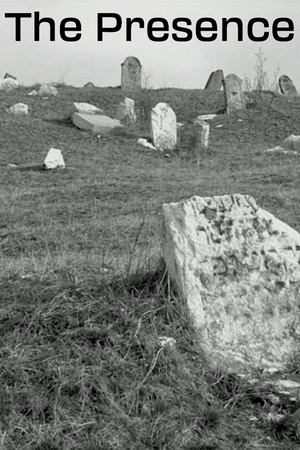
Two old men enter an abandoned synagogue, look at the decay around them, and pray.
An exploration of a decaying synagogue.
Two rabbis show the ruins of an abandoned synagogue to a group of primary school-age Jewish children, and stand by as the children dip bread in honey, drink wine, pray, and sing.
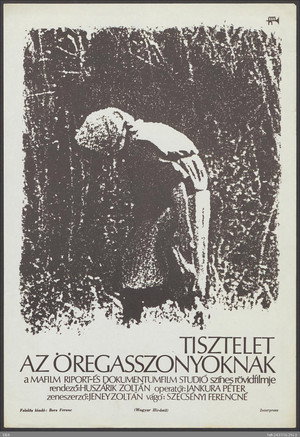
World wars pick their victims not only from those serving on the front line, women and mothers who have lost husbands and sons in battle also become victims. All that is left of loved ones are yellowing photographs, curling postcards from staging posts and crumbling graves – and a gaping loss shouldered over decades. Yet we rarely consider the grief of those who remained at home. This short by Zoltán Huszárik shares in this mourning.
The camera slowly pans through a room as Smolders offers various observations and memories.
A study of the behavior of monkeys in the African jungle.
The courtship behavior of Great Bustards is studied. The male Great Bustard is considerably larger than the female. This impression is reinforced during courtship when the male dances in front of the female, showing the light undersides of its wings and inflating its throat pouch.
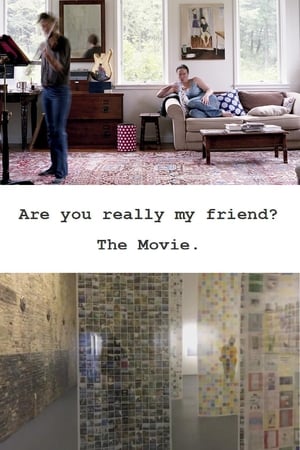
In 2011, photographer Tanja Hollander decided to visit each one of her Facebook "friends" (all 626 of them) in their homes and make formal portraits of each of them. Armed with her cameras and iPhone, Tanja traveled throughout the U.S. and around the world for 5 years, meticulously documenting her experiences in real time and creating a historical narrative, both visual and written, along the way. Her project is an exploration of friendships, the effects of social networks, the intimate places we call home and the communities in which we live.
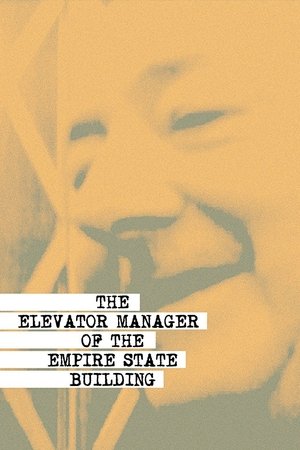
Sometimes it takes a loyal and dedicated man to manage an elevator.
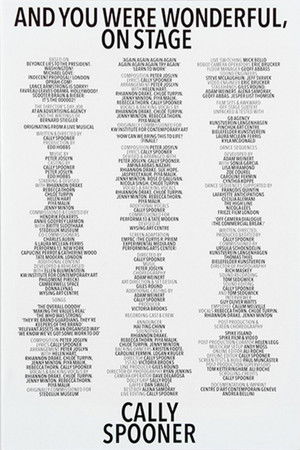
An immersive film installation by Cally Spooner. In this work, a musical for six continuously rolling cameras, a black box soundstage and its inhabitants, are recorded in a single take. The mechanics of the shoot (cameras, microphones, mixing boards, chromakey screens and crew) remain as present as the performers they capture. Cast and crew become a constant-motion human backdrop, pragmatically recomposing scene-changes through lighting cues, voice, body movement, or continuous shifts of filmic apparatus and props. The semblance of a post-production edit arrives through the organisation and orchestration of bodies on set. Delivered by a chorus line of women, the film gossips about various celebrities, athletes and politicians who have outsourced their performances to different technologies.
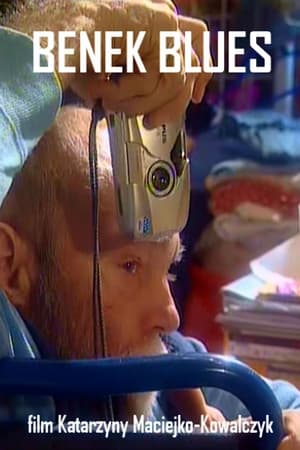
The action is placed in a cramped flat in Warsaw’s district of Ochota. A father and a son, both bedridden, live in a fascinating symbiosis. The son, a well‑known photographer Bernard ben Dobrowolski, is lying in bed because a chronic condition has deformed his body and immobilized him. The father, Dominik, has recently suffered from a stroke. Now they are taking care of each other and crowds of visitors move through their room.
Fleeing the 1980 Civil War in El Salvador, Dora Rodriguez, among a group of twenty-five asylum seekers, were abandoned by their guide and left to fend for themselves in the relentless Sonoran desert of Arizona.
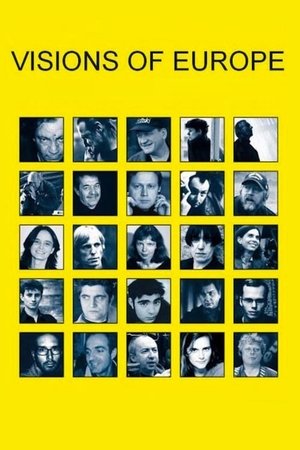
Twenty-five films from twenty-five European countries by twenty-five European directors.
Piwowski’s most controversial documentary, a portrait of Czesław Niemen (1939-2004), an outstanding musician and vocalist, a year after the legendary song "Strange Is This World" was released.
Young men are faced with a medical commission for army recruits and asked to choose where they want to get to, at least theoretically.
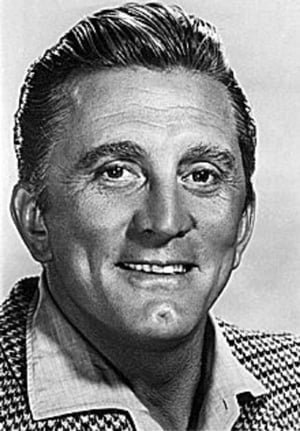
The 1966 visit of Hollywood movie star Kirk Douglas at the legendary Polish State Film School in Lódz.
Piwowski's documentary debut is a satirical reportage, referring to the poetics of the Czech school at the time. The starting point was an order from a film studio to join a project proposed by the Germans: what do teenagers in your country do on Saturday at 5 pm? Images from the lives of teenagers from Kętrzyn make up a contrasting slice of free time in a small town. Firemen maneuvering to start a fire outside working hours, bodybuilders training, choir rehearsal, dancing in Hitler's former headquarters...
The Man Killers
Analysis of visitors and sellers at the Sunday Altona fish market in Hamburg.
The main committee is of the opinion that the rating "especially valuable" can be retained. The style of the film is appropriate to the subject of "Visiting Busch" in its concentrated limitation to the authentic living environment. The individual visual motifs are composed with great care. On the one hand, the small world appears endearingly portrayed, on the other hand, the film's allusions to the background of the Wilhelm Busch phenomenon are convincing. Above all, the Committee would like to uphold the rating because the film, made in 1961, sought out the people who still knew Busch and bear witness to them in the film in an impressively simple and not exaggerated manner.