"Whenever You Eat" (1949) is an educational film produced by the National Dairy Council and Atlas Film Corp, emphasizing the importance of physical well-being and its connection to good living habits and a proper diet. Through a 12-minute narrative, the film likely promotes balanced nutrition, healthy eating routines, and the role of dairy in maintaining overall health. Targeting families, students, and general audiences, it serves as a mid-century public health message encouraging better dietary choices for improved daily life and long-term wellness.
La Vie du Vieux Palais
John Pilger unearths the hidden agenda behind the NHS crisis.
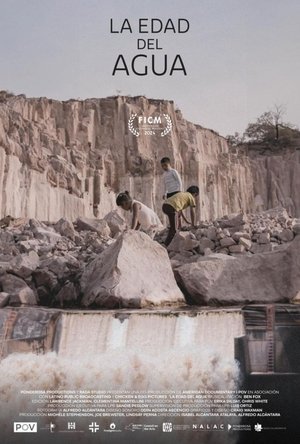
When the water in her small Mexican town proves to be radioactive, a young mom suddenly finds herself leading a local resistance movement. Her life is upended when she has to face a powerful and corrupt government hellbent on burying the truth.
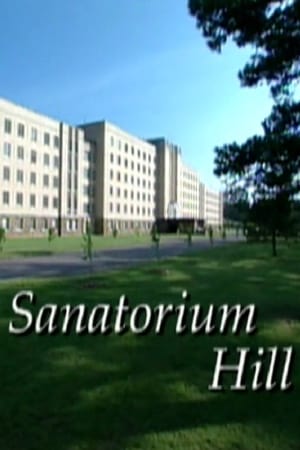
From 1910-1972, Arkansas State law mandated that all victims of Tuberculosis (TB) be isolated in the State Sanatorium in Booneville, Arkansas. Some of them returned home free of their symptoms from Sanatorium Hill. Others died there, either of the disease or of the gruesome operations prescribed by the doctors. This documentary tells the story of patients who survived these morbid treatments, recovered from the disease of TB but unable to forget the pain, suffering and despair.
Na kořen zla
In "The Cost of Forever", we uncover the hidden and costly dangers of ‘forever chemicals’ in our rivers and drinking water sources, following Riverkeepers and water protectors as they strive to protect communities—and themselves—from PFAS contamination.
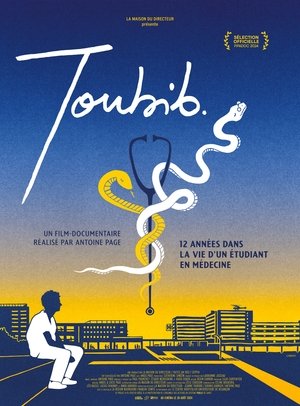
Toubib, 12 années dans la vie d'un étudiant en médecine
Since the invention of the wheel we have striven to make great machines that would make our lives more productive and efficient, however we will almost certainly never invent a machine as efficient as the human body. Each component of the machine is given in depth attention with the same clarity and insightful touch you have come to expect from the Eyewitness books. There are over 206 bones, half of which are in the hands and feet. A total of 640 muscles contract and exert pressure, working together with our skeleton to turn power and strength into movement and precision. Our bodies are incredibly resilient machines, and conversely life is very fragile. After all, unlike any other, this machine can reproduce itself.
Lid pečuje o své zdraví
1337 Mennesker
Nemoc z nemytých rukou
Malé příčiny
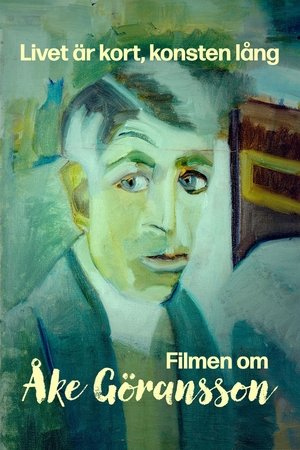
Livet är kort, konsten lång – filmen om Åke Göransson
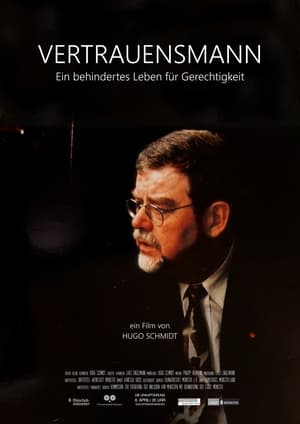
How do you find your place in an ableist world as a person with a disability? Disabled Hugo Schmidt talks to the almost 90 year old Franz-Josef Sauer, who was left with a walking impairment by a tuberculosis infection in his childhood. In the 1990s Sauer received the German Federal Cross of Merit for his achievements in the disabled community. As a public servant in Münster and Düsseldorf he worked on several projects which still benefit his disabled peers. Sauer and Schmidt discover that, although they were born almost 70 years apart, their paths in life are not that different from each other.
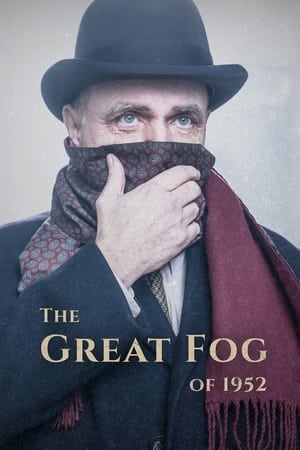
In the 1950s, a devastating fog descended on London and enveloped the capital for several days, leaving Londoners lost in their own streets in one of the UK's biggest peacetime catastrophes.
"Where There's a Will, There's a Way!" is a Dutch fiction film from 1931, directed by Willy Mullens and Herman Bouber, and produced by Haghe Film. It is an educational film about the fight against tuberculosis, centering on the Verhulst family as they make the move to a modern, airy home.
Toxic: America's Food Crisis explores how America's food, chemicals, and pesticides might contribute to the nation's health crisis.
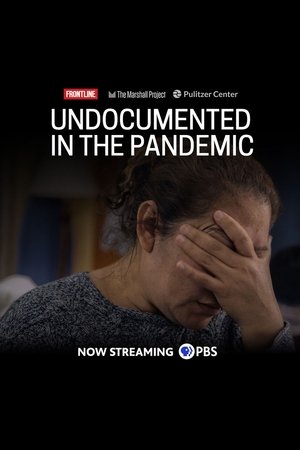
With The Marshall Project and the Pulitzer Center, a look at one immigrant mother’s struggle to keep her children safe and housed, with her husband detained by ICE in a facility where COVID is spreading. Also in this two-part hour, Love, Life & the Virus.
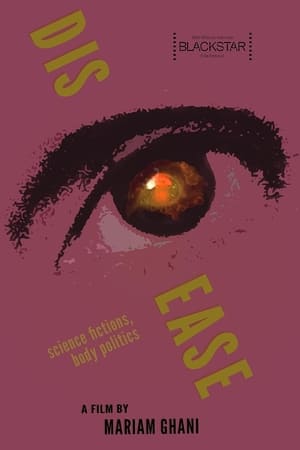
DIS-EASE is a feature-length documentary about how we imagine disease, and how that affects what we do when we encounter illness, outbreaks, doctors, treatments, and disability in real life. It dives deep into the weird, wild archives of medical imaging, public health messaging, and pop-culture outbreak narratives to understand how ideas have moved between science, science fiction, and political ideology over the past century. (Yes, this is a film that covers both antibiotic resistance and the persistence of zombie apocalypse films.) Ultimately, DIS-EASE is a provocation to re-think how we define both the "public" and "health" in public health - who is included, what counts as care, and what it means to be sick or well in a world perpetually on the brink of collapse.