A woman who had been raped and whose family wiped out by the collaborators of the occupying forces during the bloody "liberation war" of Bangladesh in 1971 now roams the streets, 30 years later, as a mad person.
‘Tuire Kayapó’ (First Contact) is a moving portrait of the most important female chief of the Kayapó people, known for her environmental activism in the Brazilian Amazon since the late 1980s. In her first interview ever, which took place on January 13th, 2017 in her village in Kaprankrere, Tuire speaks about the issues of the Kayapó people such as deforestation, expansion of the cities towards the Indigenous territories, demarcation, discrimination, national agricultural policies, public administration, corruption and infectious diseases as a result of all this.
Gangstresses, a documentary by Harry Davis, tells the story of violence, poverty, and survival in the streets from a female perspective. Over a two-year period, Davis interviews female hustlers, drug dealers, rappers, porn stars, prostitutes, mothers, and daughters. Among them are Champagne, a well-known African American porn star who has a small child; Mama Mayhem, a street hustler; Uneek, a rapper from the Bronx; and Vanessa Del Rio, a famous porn actress. Musicians Lil' Kim, Mary J. Blige, Ice T, and Tupac Shakur also share personal stories of survival. The documentary conducts follow-up research on the women's complicated lives, offering glimpses of both tragic reality and hopeful recovery.
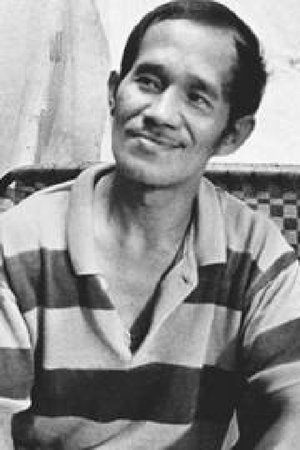
After the waning of the protests in Sanrizuka, Ogawa Pro started questioning the future of the collective and looking for other subjects to film. Following the method developed in the previous films, the filmmakers moved to the slum of Kotobuchi in the port city of Yokohama, where more than 6000 people were struggling to get by without any means of survival, exposed to industrial accidents and diseases. The result is one of the most moving films produced by the collective, a series of beautifully filmed portraits, voicing the silenced stories and songs of a group of people living in this community. Credit: ICA London
Autodeclarado
Following four Lakota families over three years, Homeland explores what it takes for the Lakota community to build a better future in the face of tribal and government corruption, scarce housing, unemployment, and alcoholism. Intimate interviews with a spiritual leader, a grandmother, an artist, and a community activist from South Dakota’s Pine Ridge Indian Reservation reveal how each survives through family ties, cultural tradition, humor, and a palpable yearning for self-reliance and personal freedom.
Critical investigation of The World Bank and IMF. Too hot for PBS, but prime time TV everywhere else. Do the World Bank and IMF make the poor even poorer? Are the Bank and IMF democratic institutions? Why do people demonstrate against the Bank and IMF? For the first time, a documentary global investigation of major criticisms of the World Bank and the International Monetary Fund (IMF), two of the most powerful financial institutions in the world. Five country case studies are presented, each concentrating on a different aspect of critics' charges: 1. Bolivia: Debt, Drugs and Democracy 2. Ghana: The Model of Success 3. Brazil: Debt, Damage and Politics 4. Thailand: Dams and Dislocation 5. Philippines: The Debt Fighters. The charges, including those related to structural adjustment, are controversial and provocative. Some go to the heart of the power and policies of these institutions.
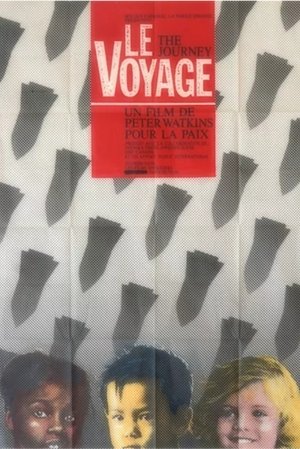
Peter Watkins' global look at the impact of military use of nuclear technology and people's perception of it, as well as a meditation on the inherent bias of the media, and documentaries themselves.
When the 2004 tsunami hit the coast of Sri Lanka, 65-year-old Anton Ambrose's wife and daughter were killed. "In five minutes," he says, "I lost everything." A year later, Anton returns to Sri Lanka. With him is his nephew, award-winning filmmaker Rohan Fernando. A Tamil, Anton moved to California in the 1970s and became a very successful gynecologist. His daughter, Orlantha, made the opposite journey, returning to Sri Lanka where she ran a non-profit group that gave underprivileged children free violin lessons. Blood and Water is the story of one man's search for meaning in the face of overwhelming loss, but it is also filled with improbable characters, unintentional comedy and situational ironies.
An intimate portrayal of the everyday lives of Carthusian monks of the Grande Chartreuse, high in the French Alps (Chartreuse Mountains). The idea for the film was proposed to the monks in 1984, but the Carthusians said they wanted time to think about it. The Carthusians finally contacted Gröning 16 years later to say they were now willing to permit Gröning to shoot the movie, if he was still interested.
In his lifetime, Thomas Merton was hailed as a prophet and censured for his outspoken social criticism. For nearly 27 years he was a monk of the austere Trappist order, where he became an eloquent spiritual writer and mystic as well as an anti-war advocate and witness to peace. Merton: A Film Biography provides the first comprehensive look at this remarkable 20th century religious philosopher who wrote, in addition to his immensely popular autobiography The Seven Storey Mountain, over 60 books on some of the most pressing social issues of our time, some of which are excerpted here. Merton offers an engaging profile of a man whose presence in the world touched millions of people and whose words and thoughts continue to have a profound impact and relevance today.
DREAMING NICARAGUA is a film about HOPE. It's about love for the dignity and courage of the human spirit that, even immersed in uttermost tragic conditions, fights for a better life, and in this case, with a friendly SMILE. DREAMING is a sensitive and lyrical portrayal of four children living in extreme poverty in Nicaragua. The film takes us beyond their hardships and gives voice to the youngsters, who are surprisingly funny, hopeful, and optimistic. A traveling art teacher provides a safe arena for our four unlikely protagonists to express their innermost thoughts. When painting, the kids momentarily escape the stresses of their reality into a world of dreams and ideas, a stark contrast to their lives outside: a vicious cycle of hunger, child labor, and violence. Despite the extreme circumstances, the children and their families face their lives with an inspiring unity, strength and humor.
As police and DEA agents battle sophisticated cartels, rural, economically-disadvantaged users and dealers–whose addiction to ICE and lack of job opportunities have landed them in an endless cycle of poverty and incarceration–are caught in the middle.
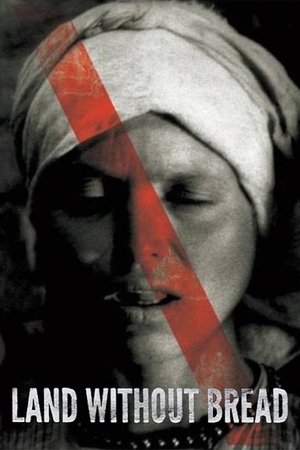
An exploration —manipulated and staged— of life in Las Hurdes, in the province of Cáceres, in Extremadura, Spain, as it was in 1932. Insalubrity, misery and lack of opportunities provoke the emigration of young people and the solitude of those who remain in the desolation of one of the poorest and least developed Spanish regions at that time.
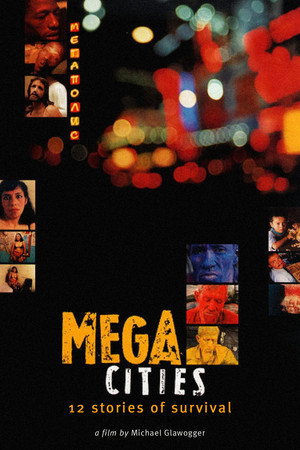
Megacities is a documentary about the slums of five different metropolitan cities.
A beautifully told story using archival footage to explore the life of Grande Otelo, a groundbreaking Black Brazilian actor. Overcoming poverty and racism, he built a stellar career, facing controversy yet using it to challenge prejudice.
J and Jacky are good friends who attend the same school. J is from a single-parent family, and will be taken care by Jacky’s family whenever his mother has to return to Mainland to renew her visa; such kind of story is not an isolated case. These families have been uprooted for a “better future” in Hong Kong, but is this “future” that the children really long to have? A Chinese saying: “How does one understand the joy of fish, if one is not a fish?” Will the adults really understand what the children want?
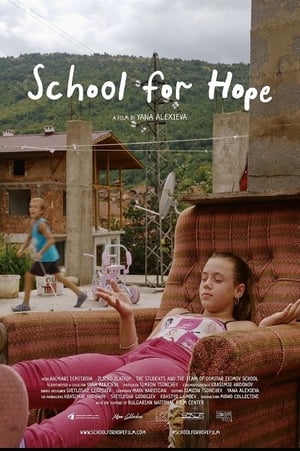
Animari and Zlatko's mission is to help children from disadvantaged backgrounds get the best possible care and education. Will they manage to find funding to welcome more children and to start a high school?
PRK30 - O Rádio pelo Avesso
As Niagara Falls transformed from honeymoon capital of the world to Las Vegas North, corporate hotel chains and casinos cast a long shadow over the independent motels that once populated the town. The Continental survived the transition by converting its rooms into affordable housing units, becoming a home for those with few places to go. The night manager, Brian, once a freelance photographer who survived the horrors of war in Vietnam, shares his duties with his colleague Linda. Together they manage both the Continental and the individual struggles of its tenants, providing more than a roof over the heads of those who live under their supervision. Bringing a fresh focus to one of the most photographed places on Earth, director and cinematographer Jesse McCracken develops an intimate and caring portrait of the residents of this modest micro-community set against the backdrop of neon-lit tourist attractions.