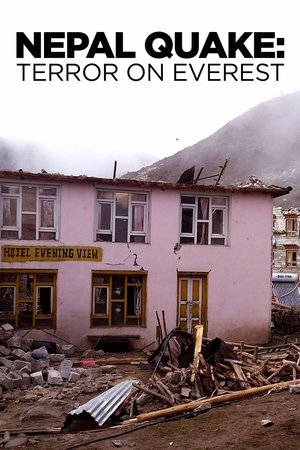
Nepal Quake: Terror on Everest
İHA'nın Arşivinden 17 Ağustos 1999 Depremi
Also known as the "Kobe earthquake," the massive earthquake struck the southern Hyogo prefecture on January 17, 1995 and resulted in more than 6,400 casualties. The drama will focus on the reporters working for the Kobe Shimbun, who were determined to keep the newspaper running without interruption, despite the damage suffered during the earthquake. The characters in the drama will all be based on real people, using their real names. Sakurai stars as the photo reporter Tomohiko Mitsuyama, who had joined Kobe Shimbun four years before the earthquake. The show will also have documentary segments such as interviews, including an appearance by Mitsuyama himself.
Valdivia 1960, El Gran Terremoto
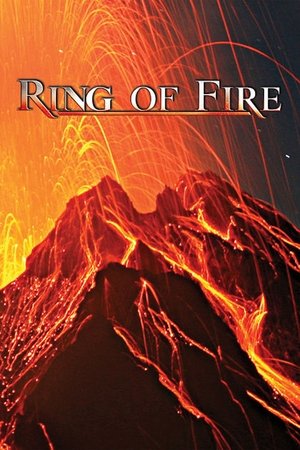
Ring of Fire is about the immense natural force of the great circle of volcanoes and seismic activity that rings the Pacific Ocean and the varied people and cultures who coexist with them. Spectacular volcanic eruptions are featured, including Mount St. Helens, Navidad in Chile, Sakurajima in Japan, and Mount Merapi in Indonesia.
Documentary about the aftermath of the earthquake that shook Juchitán, on the Mexican Pacific coast. It tells the story of Dxani -muxe seamstress- and Jacinto -mason- and how their lives were radically changed by the strongest earthquake that hit this community; and the poor response of the corrupt authorities.
A worldwide scientific investigation on tsunamis. Thanks to exclusive access in Palu, Indonesia, follow the UN’s hand-picked scientific team of "tsunami hunters". Where do they strike? How do they submerge us? What can we do to survive them?
Shot in the aftermath of the 2010 Haiti earthquake, the documentary looks at what really happens with the money donated to help with disaster aid.
72 hours after a shattering earthquake hits his hometown, a filmmaker grabs a camera and discovers a universal, first-person tale of memory, loss, and coming back home in the least likely of circumstances.
La legge del terremoto
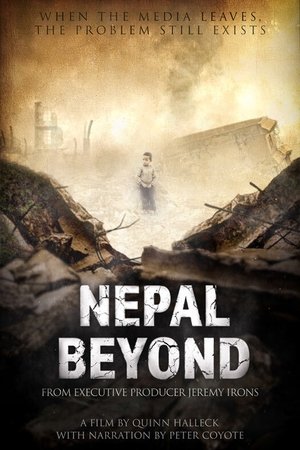
Four years after the devastating Gorkha earthquake, the people of Nepal still live everyday with the problems the world left behind.
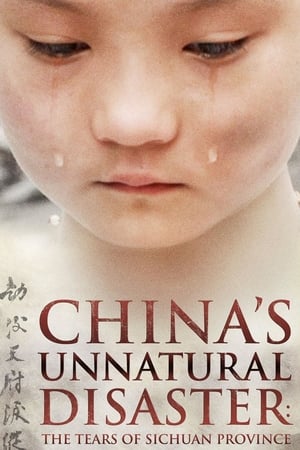
On May 12, 2008, a catastrophic earthquake hit Sichuan Province in rural China, killing nearly 70,000 people, including 10,000 children. In town after town, poorly constructed school buildings crumbled, wiping out classrooms filled with students, most of them their parents' only child. But when grieving mothers and fathers sought explanations and justice, they found their path blocked by incompetence, corruption and empty promises.
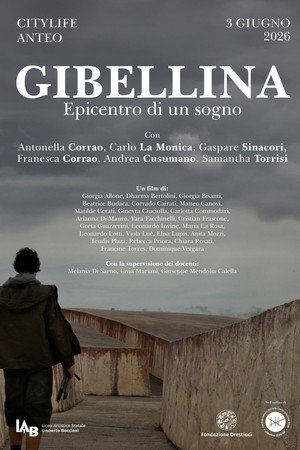
Gibellina, the city rebuilt from the dream of a great man, Ludovico Corrao. From the 1968 earthquake to its rebirth through art.
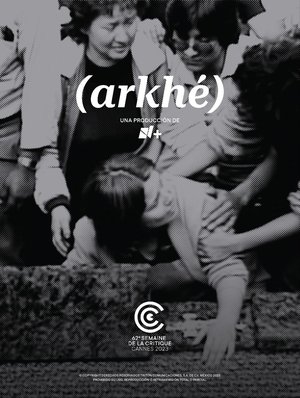
“Archeology” and “Archive” share the same roots. Both words come from “Arkhé”, the Greek word for “origin”. In the ruins of buildings, lost forever by earthquakes, as in the depth of the archives, we dig. What happened the morning of the big earthquake? The morning of September 19th 1985 is fading away in our memories. These recordings have never been seen. Unedited images of the catastrophe dug out by the archaeological adventure of an archivist that suffered with them. He dug and suffered until he could no longer see.
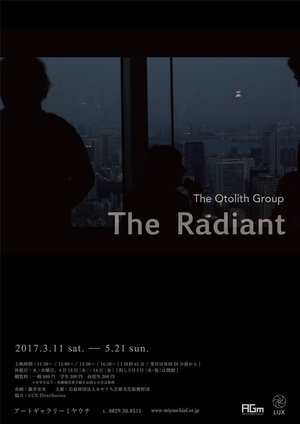
The Radiant explores the aftermath of March 11, 2011, when the Tohoku earthquake triggered a tsunami that killed many thousands and caused the partial meltdown of the Fukushima Daiichi nuclear power plant on the east coast of Japan. Burdened by the difficult task of representing the invisible aftermath of nuclear fallout, The Radiant travels through time and space to invoke the historical promises of nuclear energy and the threats of radiation that converge in Japan in the months immediately following the disaster.
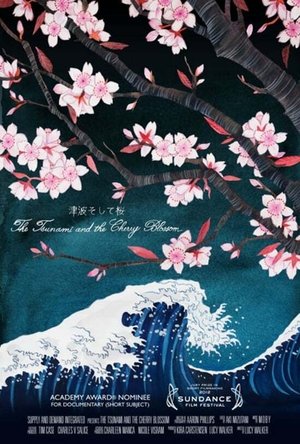
On 11 March 2011, an earthquake caused a tsunami to hit the Tōhoku (Northeast) region of Japan. In this film, survivors of the tsunami rebuild as cherry blossom season begins. The film is a stunning visual haiku about the ephemeral nature of life–and of the healing power of Japan's most beloved flower.
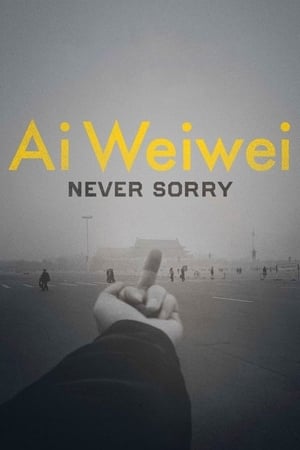
An account of the many tribulations that Chinese artist Ai Weiwei, known for his subversive art and political activism, endured between 2008 and 2011, from his rise to world fame via the Internet to his highly publicized arrest due to his frequent and daring confrontations with the Chinese authorities.
When Rosa came to this place the earthquake had just happened and the building was one enormous ruin. People say it was a cinema, but Rosa, who has lived here for many years, has never seen a film in her life. So many things happen in "Cinema Alcazar" that it's all Rosa can do to keep up.
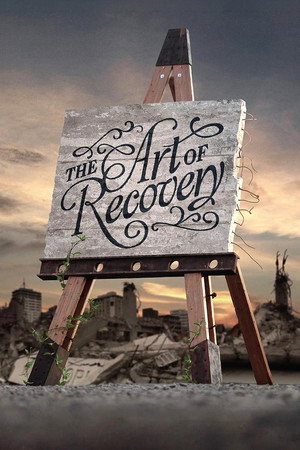
Downtown has become a frontier of creativity where new ideas flourish. From raw and tragic beginnings, it has grown from a groundswell of spontaneous gap filling into a force that could redefine the shape of the future city. Projects like Gap Filler’s Dance-O-mat and Pallet Pavilion, the profusion of street art and Peter Majendie’s 185 Empty Chairs Memorial have become iconic symbols of the grassroots urban movement and provide sharp contrast to central Government’s big business, corporate driven approach to the rebuild of the city. Soon, a new city will arise, but whose city will it be, and will the creative energy that brought life to the rubble be a part of its future? The Art of Recovery documents one of the most dynamic, creative and contentious times in the history of Christchurch. It tells an uplifting story of resilience and community spirit that informs a greater conversation about how we live together, and how our we build our cities.
The story of the March 2011 Great East Japan Earthquake and tsunami as told through news footage and eyewitness video footage.