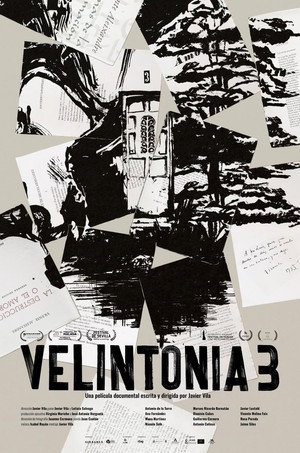
The memory of the poet Vicente Aleixandre remains silent at No. 3 Velintonia Street. Home of a Nobel Prize in Literature 1977, it also recalls the joy of Lorca and other members of Generation´27, the pain of civil war and post-war, and became a meeting point for most writers in 20th century Spanish Literature, now is abandoned and for sale. This documentary recreates its story and spirit.
Smoky little clubs, late nights, late nights of conversation over a glass of beer and a guitar. The lyricist Géza Bereményi and the composer-performer Tamás Cseh are the creators of the most topical and accurate songs of the 70s and 80s, expressing the mood of the "30s and 40s" of that time - a mood that was their own destiny. This stunning recording from 1980 includes songs like Tangó, Álomfejtés, Szabó Kálmán tegnap este..., A 100. éjszaka, A legjobb viccek, Születtem Magyarországon, A dédapa dala, Egy bogár, Krakkói vonat, Az ócska cipő, Filmdal.
The story of how Everett Leroy Jones became Amiri Baraka, from his childhood to the mid '60s, is told through interviews recorded in the late '90s.
Grundtvigs steder
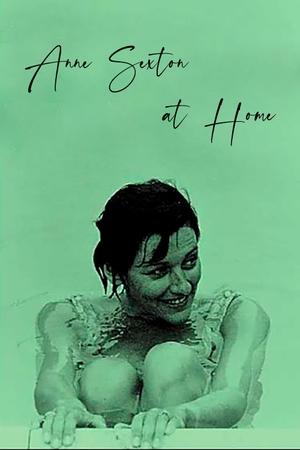
A fourteen-minute documentary splitted in two parts where we can see Anne Sexton at her home reading, talking about poetry and about her family.
Aladyn was one of those men who dedicated himself body and soul to experiencing poetry. He was born in Barinas and died in Mérida, Venezuela.
Five gay Black men who are HIV-positive discuss how they are battling the double stigmas surrounding their infection and homosexuality.
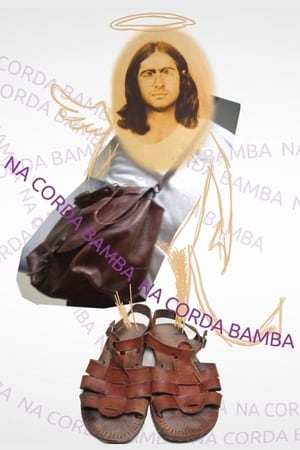
Cacaso, a Brazilian poet, lived in Rio de Janeiro. Born Antonio Carlos de Brito (1944-1987) he was one of the leaders of the marginal poetry movement. Cacaso filled notebooks not only with poems but reflections, drawings and collages. He also became a lyricist and partner of celebrated songwriters such as Tom Jobim, Edu Lobo, Toninho Horta, João Donato and Sivuca.
A documentary film on the site of a former lumber mill. It follows Lindsay Suter an architect and direct descendant of Lauren J. Drake, President of Standard Oil of Indiana.
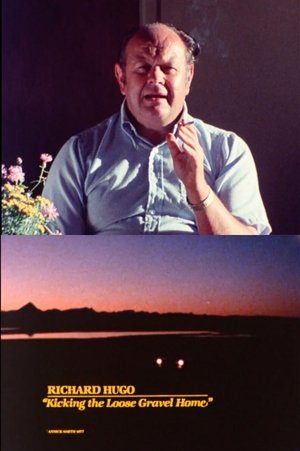
Filmed on location in Montana and Washington State, this 1976 biography of poet and teacher Richard Hugo features readings of some of his most famous poems as well as interviews with his family and friends.
After World War II a group of young writers, outsiders and friends who were disillusioned by the pursuit of the American dream met in New York City. Associated through mutual friendships, these cultural dissidents looked for new ways and means to express themselves. Soon their writings found an audience and the American media took notice, dubbing them the Beat Generation. Members of this group included writers Jack Kerouac, William Burroughs, Allen Ginsberg. a trinity that would ultimately influence the works of others during that era, including the "hippie" movement of the '60s. In this 55-minute video narrated by Allen Ginsberg, members of the Beat Generation (including the aforementioned Burroughs, Anne Waldman, Peter Orlovsky, Amiri Baraka, Diane Di Prima, and Timothy Leary) are reunited at Naropa University in Boulder, CO during the late 1970's to share their works and influence a new generation of young American bohemians.
Eldar Ryazanov reads his poetry. An introspective movie on his multifaceted work.
It's a sensitive, moving doc chronicling the life of Tétrault's brother Philip , a Montreal poet, musician and diagnosed paranoid schizophrenic. A promising athlete as a child, Philip began experiencing mood swings in his early 20s. His extended family, including his daughter, share their conflicted feelings love, guilt, shame, anger with the camera. They want to make sure he's safe, but how much can they take?
Jo; or The Act of Riding a Bike is Zefier's third film.
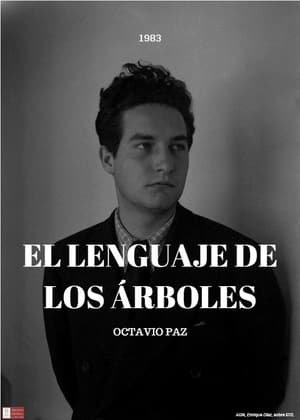
An exploration on Paz's poetry by Paz himself, his childhood, his ideas about love and the nature of art
Solentime (2020), directed by Carlos Henríquez Consalvi and Camilo Henríquez, revisits the memory of poet-priest Ernesto Cardenal and the Christian community he founded in the Solentiname archipelago, where art, faith, and revolutionary consciousness converged. The film reconstructs a failed 1973 documentary project, when a young Consalvi traveled from Venezuela to film Cardenal with a 16mm Bolex, only to discover the footage was ruined. Nearly five decades later, during the COVID-19 lockdown and after Cardenal’s death, father and son assemble photographs, archival images, and sound to evoke that encounter and the fragile persistence of memory, turning loss, decay, and time into the material of the film itself.
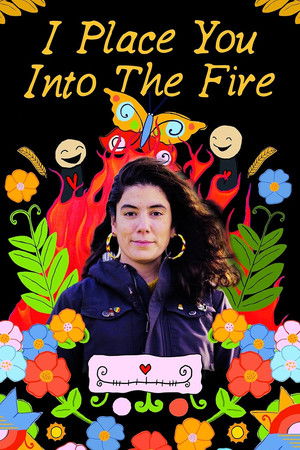
Combining the authenticity of Indigenous writer Rebecca Thomas' narrative, the power of poetry, and stunning animation, "I Place You into the Fire" invites viewers to consider their roles in fostering understanding, compassion and justice.
Ninety-year-old sound artist and comedian Henry “Sandy” Jacobs lives a quirky existence at the end of Sunnyside Drive, a steep and winding dirt road washed by fog from the Pacific Ocean. Sixty feet down the hill lives his eccentric 84-year-old friend and neighbor, architect and former Frank Lloyd Wright collaborator Daniel Liebermann. These extraordinary old men, influential artists in the 1950s and ’60s, continue, each in their own way, to search the world for perfection. Sunnyside takes us to an extraordinary place, a microcosm with its own distinctive rhythm and remarkable inhabitants. It is a film about creativity, the capacity to dream and, ultimately, the transience of life.
Two friends, two Viennese, two poets, two unusual women. They have known each other for 30 years. Elfriede Jelinek is the better known of the two, the great author with her analytical mind and her social commitment against the whole "politician's docks." The now deceased lyricist Elfriede Gerstl remains rather tender with her poetry, although her poems do not miss a certain amount of sharpness, albeit ironically packed. When the two Elfrieden sit in their Viennese coffee house and drink the little brown, they usually talk about clothes, they talk about the fashion that Elfriede Gerstl has just collected again.
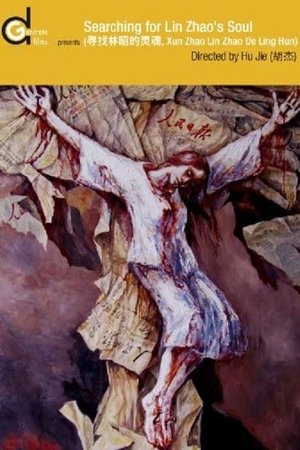
This landmark documentary reveals the tragic life of a gifted young woman who was executed for speaking out during the height of Chairman Mao’s rule.