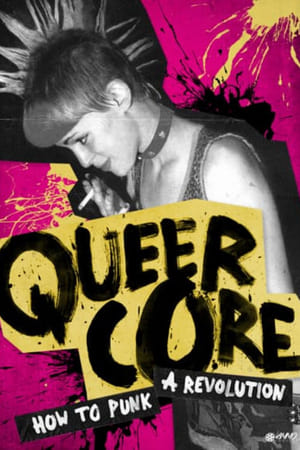
A documentary on Queercore, the cultural and social movement that began as an offshoot of punk and was distinguished by its discontent with society's disapproval of the gay, bisexual, lesbian and transgender communities.
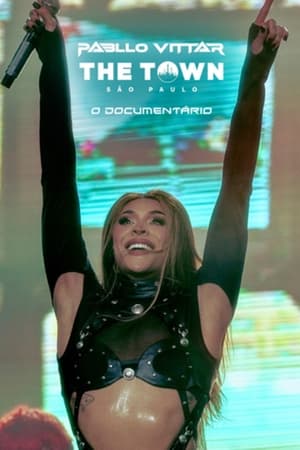
Documentary about behind the scenes of Pabllo Vittar's highly anticipated show at the first edition of The Town, in São Paulo.
Mini documentary about the recently launched girl group from São Paulo, Katy da Voz e as Abusadas, in a concert at Zig Studio.
A celebration of Black culture through music and poetry as members of Black Perspectives perform and later talk about their work in the context of racism, poverty, and community. This short video documentary features the work of gay activist Faith Nolan.
In his one-man show "Gay Hist-Orgy," MacKinnon guides the audience on an erotic journey through the hidden history of same-sex love, examining homosexuality's impact on "the progress of art, philosophy, culture, and politics" with equal parts insight and wit. MacKinnon also curates Queer Mondays, a monthly non-elitist LGBT variety show at Highways in Santa Monica.
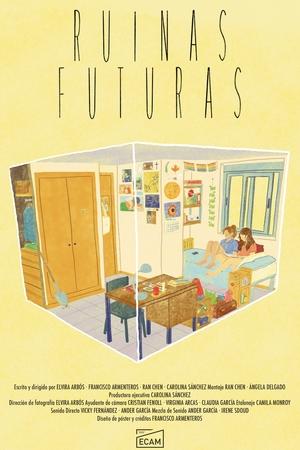
In a boarding school, legend has it that a time capsule has been hidden in the walls. They say it could change the world. Today, the new students fall in love, play cards, dream and laugh in their rooms, which in turn become their own time capsules, like snapshots of a generation at 20 years old.
Adrianna, a young DJ artist and activist in the queer community, has learned to evolve in a world that is sometimes too stifling for her. By creating her own family and learning trades in which she can use all her creativity, Adrianna is spreading her wings.
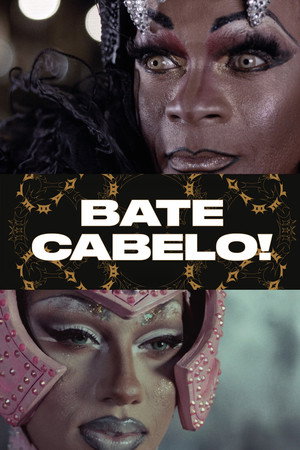
BATE CABELO! unveils the story of an artistic creation that became a living symbol of memory, embodiment, and resistance.
Experimental documentary short starring Batato Barea and Peter Pank, filmed in July 1991
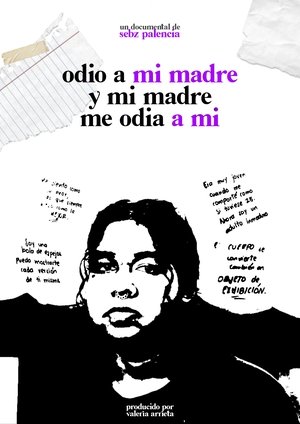
Sebz traces an intimate and heartbreaking journey through her past and present, exploring the nuances of her identity as a non-binary, black, asexual trans person. Through an introspective narrative, Sebz reflects on the abuse she suffered as a child and the revelation that these experiences were not unique, but also familial. In a space where memory and reality intertwine, Sebz confronts her relationship with her mother, a complex connection torn between rejection and a search for understanding, accentuated by tensions of gender, sexuality and shared trauma. This short queer documentary is an honest and courageous portrait of wounds, family ties and the resilience that defines those who seek to exist beyond social impositions.
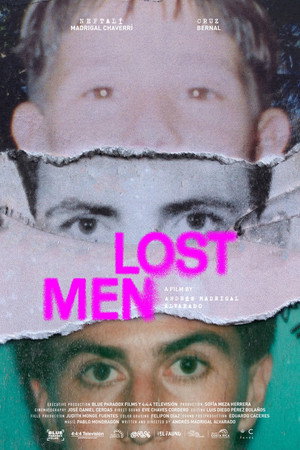
My grandfather, married for 57 years in Costa Rica, died in a fire in 2019. My father revealed to me that, like myself, my grandfather was gay. After this revelation, together we revisit my grandfather's life, seeking to give him one last act of liberation while discovering ourselves in the process.
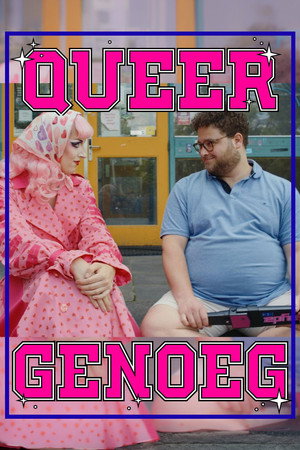
In an Amsterdam gym for queer people, three individuals confront doubts about their belonging. David, often read as straight due to his style and body type, feels undesired and questions if he “counts.” Qianyu, nonbinary, struggles with invisibility as queer nightlife favors cis gay men, and past health issues make joining the gym daunting. Barbara, 67 and bisexual, wonders if she still belongs after past rejection by parts of the lesbian community. Through candid conversations and colourful, sometimes absurd fictional scenes, their insecurities and longing for acceptance are explored. Ultimately, the gym becomes a space of vulnerability, solidarity, and self‑realization, helping them see that they are indeed “queer enough.
An animated documentary that speaks to immigrants' personal experiences living in Aotearoa, exploring themes of racism, discrimination, loss, loneliness, and maintaining cultural ties while living in another country.
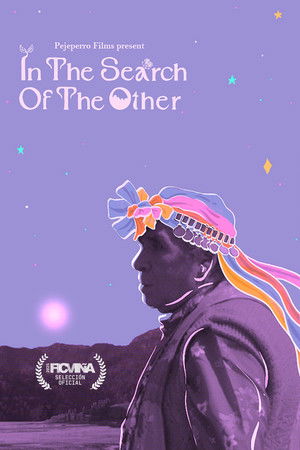
In 1995, the Chilean state made a grave mistake when it detained Marcelina (68), an Indigenous spiritual authority, a machi of the Mapuche people. The police stripped her of her jewelry and traditional clothing and sent her to a men’s prison despite her identifying as a woman. She was unjustly accused of murdering a patient through witchcraft, triggering feelings that led her to leave her community, even after her innocence was proven. Thirty years later, Cons (34) delves into her story—into a world foreign to her—confronting lessons and prejudices she had never known.
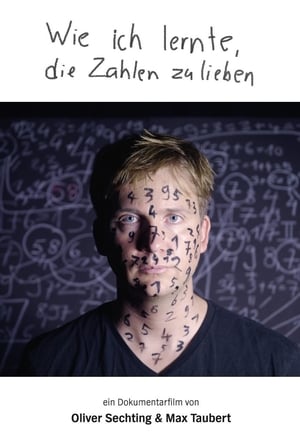
A New York film and at the same time the study of a young man suffering from an obsessive-compulsive disorder (OCD). The Berlin filmmaker Oliver Sechting (37) and his co-director Max Taubert (23) travel to New York with the idea of documenting the art scene there. However, the project is quickly overshadowed by Oliver's OCD, and the two directors fall prey to a conflict that becomes the central theme of their film. Encounters with such artists as film directors Tom Tykwer (Cloud Atlas), Ira Sachs (Keep the Lights On), and Jonathan Caouette (Tarnation) or the transmedia artist Phoebe Legere seem more and more to resemble therapy sessions. At last, Andy Warhol-Superstar Ultra Violet succeeds in opening a new door for Oliver.
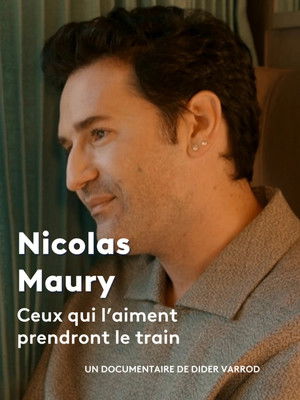
Between the nostalgia of resurfacing roots and the desire to venture into song to experience a rebirth, Nicolas Maury reveals himself unguarded before Didier Varrod, with a deeply moving sincerity. Nicolas Maury released his first album, La porcelaine de Limoges, in January 2023—a new experience for this unique, demanding, and multifaceted actor. It is an opportunity to paint an intimate portrait of him through an extended interview on a train between Paris and Limoges. In this specific setting, which was also that of his first (silent) film role with Patrice Chéreau in Those Who Love Me Can Take the Train, Nicolas discovers archives and hears from close acquaintances who speak about him. A documentary film, like a kind of initiation rite, it moves back and forth between memories of France and childhood, and his condition as a man and artist today, taking on a new identity through music.
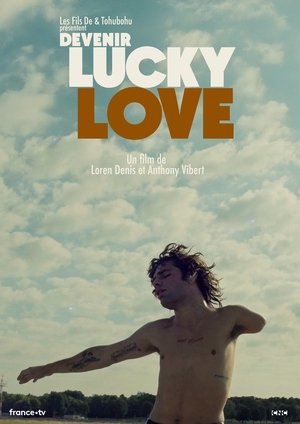
He was born different, and chose to become unique. Becoming Lucky Love follows how Luc Bruyère turned his “flaw” into strength and his life into an act of creation. Born without his left arm, he faced the violence of people’s gaze from childhood, sinking into shame and self-destruction. “I was born homosexual, without a left arm — I didn’t fit what a man was expected to be: a figure without nuance, categorical,” Luc confides. Instead of giving up, he chose to transform himself and become what he had always dreamed of: a singer and performer. With his angelic face and magnetic presence, nothing seems to resist him — yet his blazing loves and excesses marked him deeply. Now, on the verge of turning 30, he looks back without filters. Becoming Lucky Love paints the portrait of an avant-garde, captivating outsider who proves that destiny can be endlessly reinvented through strength, poetry, and self-invention.
The documentary mixes reenactments with true accounts from four characters/actors who tell the stories of six black gay men, their experiences and their romantic relationships crossed by racism and homophobia.
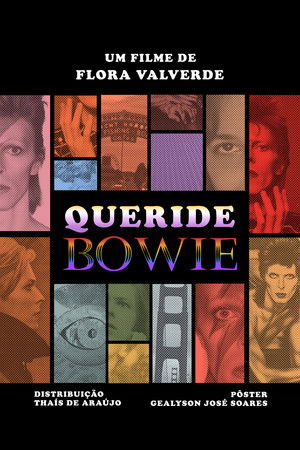
Flora Valverde, a non-binary student of Cinema and Audiovisual at UFPB, recounts in a video letter their experiences to their idol David Bowie, updating him on the events that happened after his death in 2016.
Actress and filmmaker Robyn Adams discusses her experiences with autism, gender identity, and learning to embrace her flaws. Also, she's Frankenstein's Monster now.