Journalist Shiori Ito embarks on a courageous investigation of her own sexual assault in an improbable attempt to prosecute her high-profile offender. Her quest becomes a landmark case in Japan, exposing the country's outdated judicial and societal systems.
As a result of the Holocaust and later, AIDS, the male homosexual community has sustained bitter losses and, according to Praunheim, lesbian women have now placed themselves at the head of the so-called queer movement. The female protagonists in the film represent two different generations; they also incorporate the past and present status of homosexuals in society.
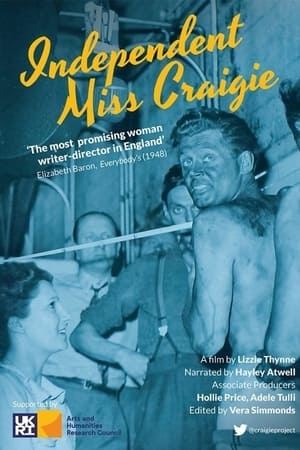
Some time after her death, film director Jill Craigie (1911- 99), re-opens an old suitcase, prompting memories of the extraordinary life and loves of this forceful, charismatic woman, whose work has been long neglected. Craigie was one of the first women to direct documentaries. Working outside the British Documentary Movement in the 1940s and early 1950s, her films such as To Be Woman (1951), on equal pay, and Out of Chaos (1944), the first film about artists at work, featuring Henry Moore and Paul Nash, tackled new subjects for the cinema through a unique blend of drama, polemic and humour. Independent Miss Craigie uses the director’s unseen papers, and her films, to reveal her energetic struggles to get her radical projects made and distributed, including her last one, on the Yugoslav conflict, made when she was 83, with her husband, former Labour leader, Michael Foot.
Far from home, a young Burmese man struggles to escape the weight of a brutal and unforgiving military coup, threatening both his nation’s freedom and its very survival. Now, in Australia and unable to return home, he’s doing everything he can to stay connected to his people.
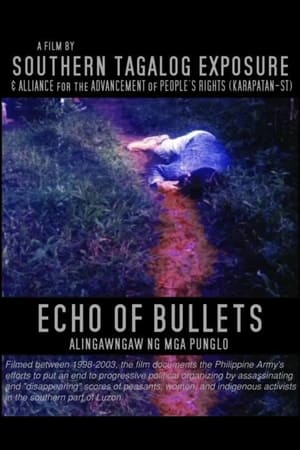
After a year and 10 months in power, the Macapagal – Arroyo regime has committed 967 cases of human rights violations in the Southern Tagalog Region. “Alingawngaw ng mga Punglo” discusses the grim human rights situation in the region. It seeks to let the voices of the victims be heard: their anguished cry for justice and call for lasting peace.
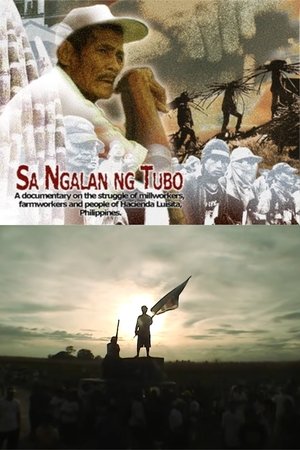
A documentary on the struggle of millworkers, farmworkers, and people of Hacienda Luisita, Philippines.
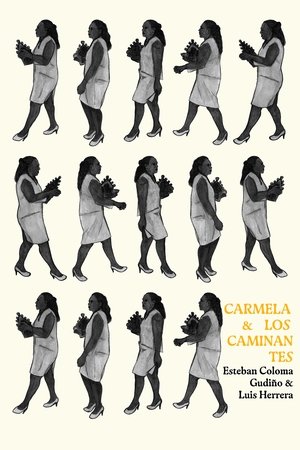
Carmela lives with her husband and eight children near the Ecuadorian-Colombian border. This 56-year-old Afro-Ecuadorian woman opened her home to provide free and temporary shelter for thousands who leave Venezuela on foot, hoping to find better days in other South American countries.
Triggered by congressman Jair Bolsonaro’s homage to the torturer Carlos Alberto Brilhante Ustra, during president Dilma Rousseff’s impeachment hearing in 2016, Inês, a 70 year-old actress, starts a fragmented narrative of her own history, transforming the memories of her youth as an artist and guerrilla fighter during the military dictatorship into performances. Using as a starting point her participation in Teatro Oficina's 1967 production of the play "King of The Candle", by Oswald de Andrade, Inês creates a manifesto in defense of art's political strength, intertwined with memories of lost love and resistance.
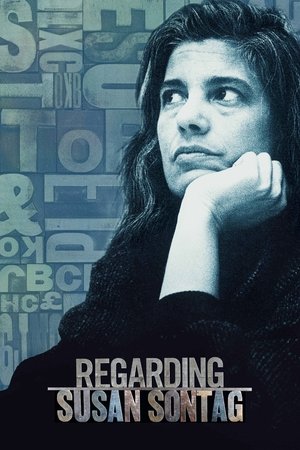
An intimate study of one of the most influential and provocative thinkers of the 20th century tracking feminist icon Susan Sontag’s seminal, life-changing moments through archival materials, accounts from friends, family, colleagues, and lovers, as well as her own words, as read by Patricia Clarkson.
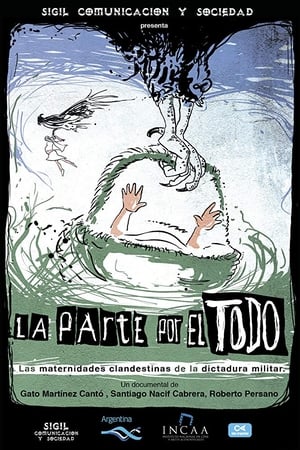
During the last argentine military dictatorship, the Army developed a systematic plan for the abduction of children, with maternity wards inside the clandestine detention centers. This film proposes itself as a trip to the truth "to bring to light the places where lots of babies saw the light for the first time"; Three restored children show the part for the whole :how a genocide was orchestrated,a scheme which planned the deprivation of identity of babies born in captivity, children of illegally kidnapped and detained women.
The film unfolds an atmospheric symphony of violence over Beirut, revealing the haunting fusion of incessant Israeli military flights and the hum of generators during blackouts. This 45-minute video essay plunges viewers into a chilling chronicle of daily life transformed by the weaponization of the air, where the terror of repeated incursions becomes a disconcertingly banal backdrop.
The bleached palette and home-movie aesthetics of Super 8 footage provide the image track for this testimonial about an illegal abortion in Mexico City in the 1960s, delivered in voiceover by the filmmaker’s mother. In its account of this intimate and disorienting memory, Lesser Choices summons a time of profound uncertainty—a moment from an era without rights—and offers a warning to the present.
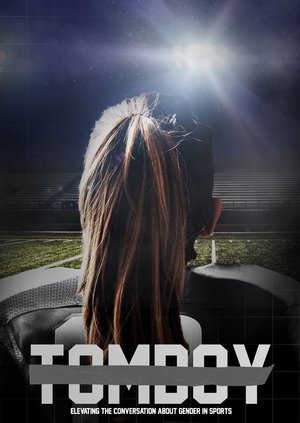
TOMBOY explores the obstacles that young girls encounter on the recreational stage, the stereotypes, language issues and cultural disparities that follow, and ultimately the insufficient media coverage and compensation that afflicts elite professional athletes seeking full recognition for their talents. The journey of the female athlete is often discouraging, and despite progress achieved during the Title IX era, gender equity in athletics has a long way to go.
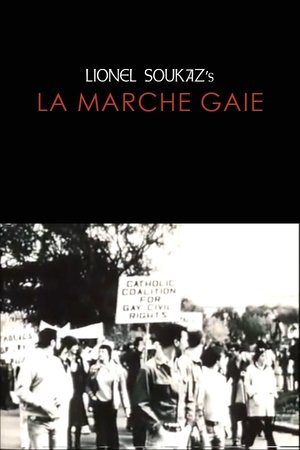
A short documentary about the October 14 1979 March For Lesbian And Gay Rights in Washington D.C.
The people of Antiquity had little problem with nudity and would not find graphic depictions of sexual acts as morally suspect or obscene. But Christianity changed perspectives, bringing in notions of shame and the negation of the body. This documentary looks at the erotic in art over the last two thousand years.
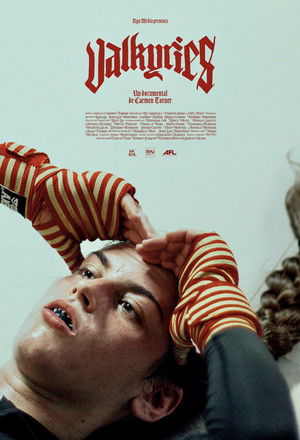
VALKYRIES
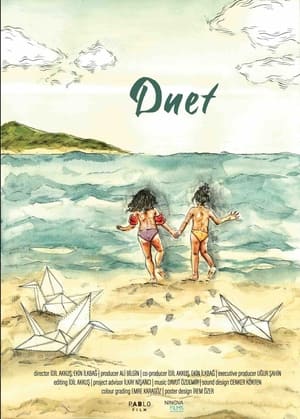
Mısra and Defne are close friends and duet partners who met each other through synchronized swimming. After failing to qualify for the 2016 Olympics, they set a shared goal, the 2020 Olympics. Not too long after, their esteemed coach Natalie is fired by the federation with no explanation. What follows is an emotional devastation and disruption of scheduled practices, which in turn leads to a decline in their performances. Political tremors in Turkey and the global pandemic lead the duet to make a decision on whether to keep the fight or to find new paths in life.
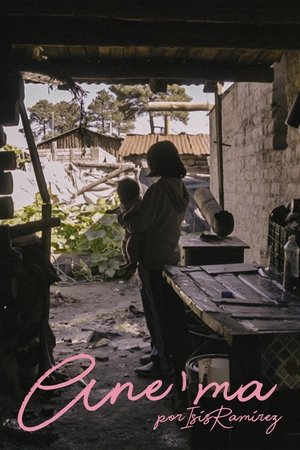
ane´ma
In October 1995, Forbach witnessed one of the most violent strikes in the history of contemporary France. A thousand or so miners took to the streets for a merciless struggle against a reform in their rights. Twenty years after the mines shut down, people’s will to fight is still alive, just hidden away somewhere.
A portrait of the leading female Bolshevik (and later Worker’s Opposition) revolutionary leader Alexandra Kollontai using her own words.