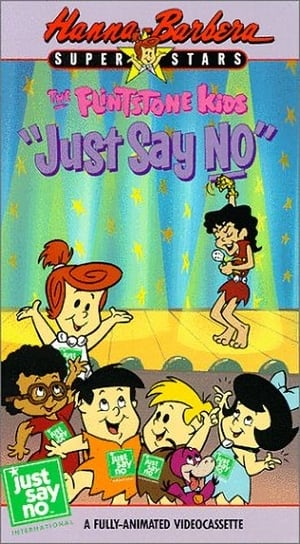
A special that shows the young Flintstones trying to raise money so they can go to a concert. The story takes a turn when older kids try to push drugs on them.
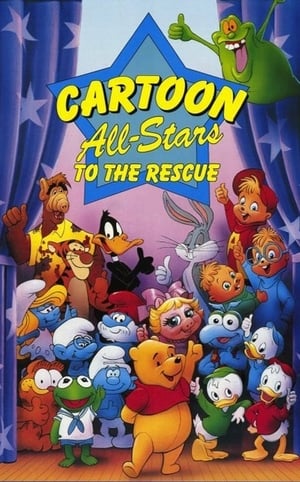
The plot chronicles the exploits of Michael, a teenager who is using marijuana and stealing his father's beer. His younger sister, Corey, is worried about him because he started acting differently. When her piggy bank goes missing, her cartoon tie-in toys come to life to help her find it. After discovering it in Michael's room along with his stash of drugs, the various cartoon characters proceed to work together and take him on a fantasy journey to teach him the risks and consequences a life of drug-use can bring and save the world.
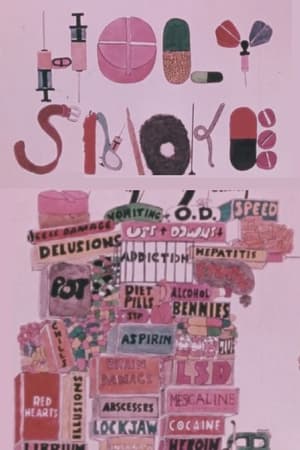
Made by 21st Cinetics and Billy Budd Films for the Morris County, Pennsylvania Division of Drug Control and Intervention, “Holy Smoke in Three Acts” is an unconventional anti-drug cartoon that was inspired by ideas put forth by students. The animation were created by R.J. Barcklow. The short, three-act animated film presents two artists and examines how the world around them influences their artwork. Both of the artists are influenced by drugs, drug use and the anti-drug campaign.
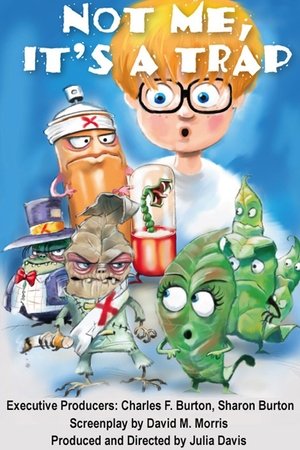
Professor Whyze and his 11-year-old son Tommy discover a hidden underworld where terrorist forces, led by veteran Hack, wage a “War on Kids,” using alcohol, drugs, and tobacco to stunt youth. They enlist Halfweed, a rebel from the tobacco ranks, to expose the epidemic. Mocked by classmates and ignored by authorities until death threats strike, Tommy must choose to warn his peers, stand with Halfweed, and help end the addiction assault, because it’s never wrong to do what’s right.
This anti-drug film from 1972 uses abstract and modernist animation styles and techniques to depict the effects of different drugs (both legal and illegal) on the human brain and body. Set to eerie music and inter-spliced with live action footage shot in and around Los Angeles, California, you’ll be shown unnerving and psychedelic imagery designed to make you think twice about abusing drugs.
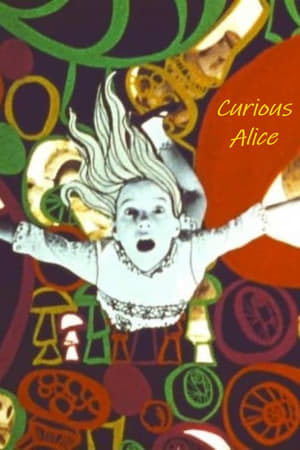
The story “Alice in Wonderland” is used as a metaphor about the dangers of accidental drug use among children. Curious Alice's trip to Wonderland is not through the rabbit hole, but rather through her home, where the medicine and kitchen cabinets hold substances of lure but danger. After ingesting one of these substances, Alice, now in the Wonderland of her mind, has an altered sense of reality. In her new psychedelic world, she is exposed to more and more drugs, which she may take based on her impaired judgment from the initial drug use.
Anti-drug film set in Harlem.
LSD: Trip to Where? is a 1968 film depicting the experiences of three sailors who experiment with LSD and marijuana. The film explores the impact of their drug use on themselves and their peers aboard a military vessel, highlighting the perceived dangers associated with these substances during that era.
1967 Navy training film MN-10507-A. Navy physician talks about the dangers of LSD or "Russian roulette in a sugar cube." National Archives Identifier: 6379 "How LSD was discovered, the extreme dangers of using it and how it affects the brain and body."
Jeanette, a pretty high school student, is looking for “kicks”. She starts hanging out with a wild crowd, and begins popping bennies, uppers and other pills. Soon she graduates from barbiturates to marijuana…
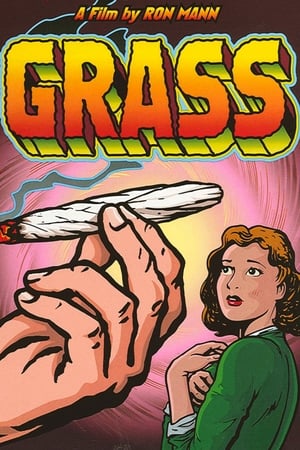
Marijuana is the most controversial drug of the 20th Century. Smoked by generations to little discernible ill effect, it continues to be reviled by many governments on Earth. In this Genie Award-winning documentary veteran Canadian director Ron Mann and narrator Woody Harrelson mix humour and historical footage together to recount how the United States has demonized a relatively harmless drug.
Sequel to "B14." Rival gangs fight over a cocaine shipment. One of the gangs, led by a ruthless woman named Lan Di, has a superhumanly powered assassin named Scorpion at her disposal.
Short film about the dangers of doing drugs.
A high school student faces a moral dilemma, should he turn in a friend who is dealing pills.
Explores the issues junior high and high schools were facing surrounding teen drug use. Looks at several very integrated public schools and programs being developed in them to prevent drug abuse. Includes the police lecture, the ex-addict, the youth organizer, and the "rap room." Anti-drug program organizers seek students' perspectives and knowledge about drugs. Some nice images of 1970s teens looking very stoned.
Short film about rehabilitation, dedicated to a healthy future at the Hayat Namine rehabilitation center.
Set in New York City in the 1990s, community activists seek to rid their neighborhood of the anguish, brutality, and violence associated with local drug dealers.
An educational video exploring drug addiction, including footage of real-life addicts going through rehab therapy.
Educational film about the dangers of drug use and abuse in high school. Framed around the death of a classmate from overdose.
In this film titled “From Candy to Cocaine” from 1986, the “Teens Kick-Off” performance group, a performance group recovering from alcohol and drug abuse, perform a modern theater piece on their personal stories of addiction and recoveries. The film also portrays adolescents, who share their stories from use and abuse to recovery. Real people, not actors, speak frankly about their addiction in a theater setting. Parents share their feelings, illustrating the family’s struggles. The film ends on a positive note, emphasizing recovery. It is produced in cooperation with the National Institute on Drug Abuse and the Department of Health and Human Services, directed by Terry Losardo, photographed by Charles Shedd, and edited by David Sherwin.