Emergency Martial Law
Korea Defended with Blood
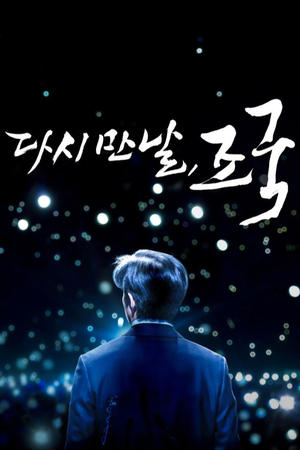
On May 27, 1980—the last day of the Gwangju Uprising—students at Sinheung High School in Jeonju defied martial law. Their teacher disciplined them to protect them, but this act of love left forty years of misunderstanding. Now in his nineties, the teacher reunites with his former students to finally offer each other the reconciliation they had long set aside.
Another His, Spring
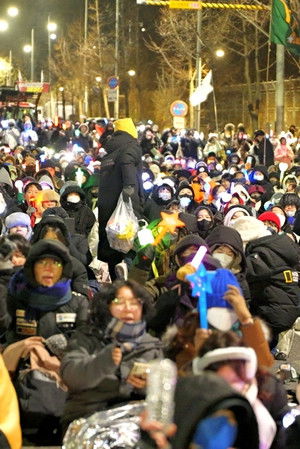
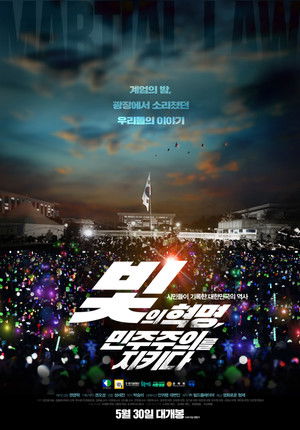
On December 3, 2024, in Seoul, the President of South Korea Yoon Sukyeol declares the martial law. Troops move toward the National Assembly to seize control. Meanwhile, citizens rush to the National Assembly to block the troops, while lawmakers break through police's barricades at the main gate, climb over the walls to attend the session that lifts the martial law.
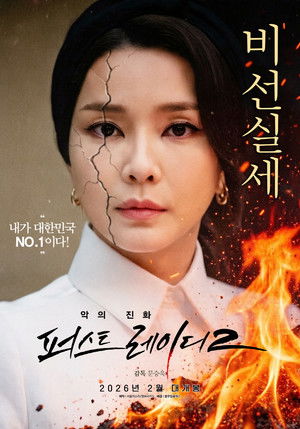
First Lady 2: The Evolution of Evil
Ran 12.3
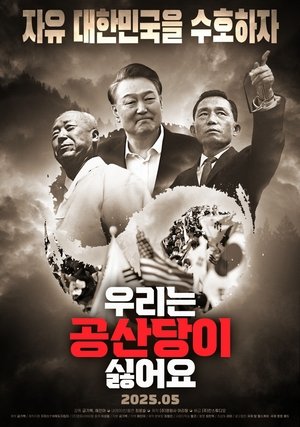
We Hate Communists
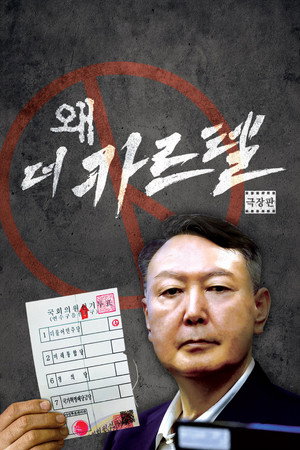
Korean Election Fraud, God's Will?
In December 2024, the 20th President of the Republic of Korea declared emergency martial law. Korean society has once again split into left and right, engaging in extreme hatred and violence. I wanted to explore this sentiment of hatred that is pervasive throughout our society.
The film follows the 2023 raid by the Seoul Central District Prosecutors' Office on investigative outlet Newstapa. Director Kim Yongjin, its former head, traces a pattern of political prosecutions against critical journalists—from reports on Yoon Suk-yeol to Cho Kuk and Kim Keon-hee. Combining on-site footage, journalist testimonies, and legal records, the film reveals how special funds were used to pressure the media, silence dissent, and manipulate public opinion. It is a powerful reminder of the ongoing struggle to protect press freedom and democratic values in South Korea.
The Birth of New Right
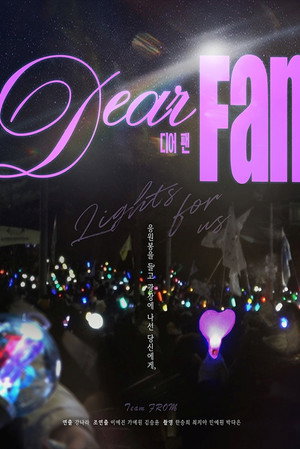
Ep1. The Martyr and the Left: Under the Yoon Suk-yeol administration, construction workers were branded as “construction gangsters,” forced to endure a period of hardship. Ep2. Purple Ribbon: Wearing purple jackets and holding purple light sticks, the families of the victims of the October 29 Itaewon Disaster stand out on the street. Ep3. Dream, Breath: “I” keep waking up from dreams of being chased, a recurring cycle that haunts me day after day. Ep4. Breaking the Silence: Chai-han, who once said their dream was to become a human-rights activist, gradually grows distant from that dream after entering university. Ep5. Dancing Volunteer: After the December 3 martial law was declared, Park Pyeong-hwa felt compelled to return to the square. Ep6. Beyound the Impeachment: We interviewed a diverse group of people who came to the square after the December 3 uprising.
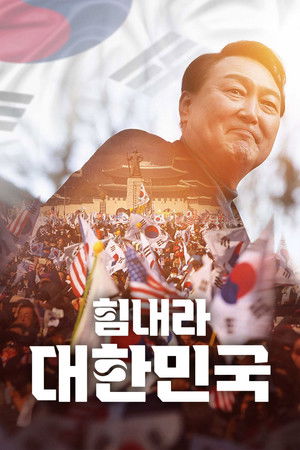
Cheer Up, Korea
The Hundred Squares: "No more delays," the cry of citizens echoes from the lives of those barely holding out against discrimination and hatred. Struggling with diverse identities in their daily lives, citizens reflect on the meaning of "discrimination" through their own experiences and testimonies. They question and reflect on what is needed to eliminate it and speak out before the camera. The Blooming Equalities: discrimination law that has been on hold for 20 years. A lawyer, a researcher, a religious figure, a writer, and an activist stand in the square again after a year, and, in this time of rampant right-wing extremism and hate, they speak of an anti-discrimination law as "the right answer to ending the insurrection, the last line of defense for human dignity, a current that can no longer be held back, a square that cannot at all harm families, churches, and the nation, and a place where the voices of the less fortunate can be heard."
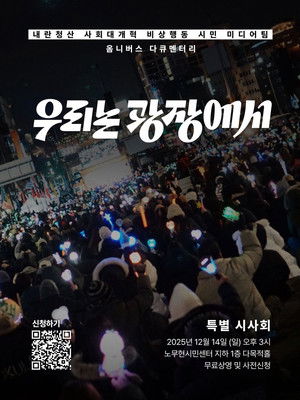
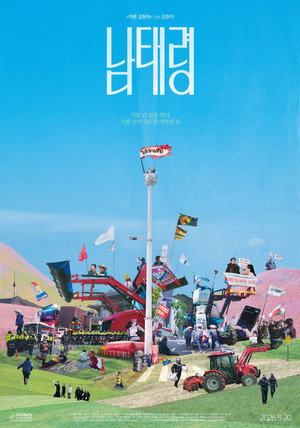
In the third year of the Yoon Sukyeol administration, the nation was already at a boiling point. A move to end democracy backfired, opening the plaza. This records the accidental Namtaeryeong plaza on a winter solstice night and the struggle to carry its spirit into everyday life.
The Revolution of Light, Defending Democracy
대한민국은 국민이 합니다
"Wae(Distorted): The Cartel" is a shocking documentary film that conducts an in-depth analysis of various statistical and physical evidence revealed during South Korea's April 15, 2020 general election. The narration is provided by Yoon Joo-sang, a renowned actor and voice actor. The horrific election fraud—so hard to believe and yet impossible to ignore—did not end with the April 15 general election. It has continued even after the change of administration. It is our sincere hope that this film will help widely expose the appalling reality of election fraud that outrages the conscience of all people.
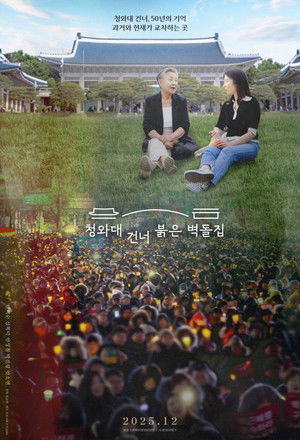
My family has lived in a house across from the Blue House, the presidential palace, for 50 years. During the era of military dictatorship, the Blue House was a place of fear and inaccessibility. But as South Korea democratized, more and more people were allowed to approach it. I had grown up surrounded by countless protests, but it was the first time their sound followed me home. The never-ending noise made the house where I was born and raised feel unfamiliar. But the place they now stood was the very spot where I had held a candle to protest just months before. My right to raise my voice also guarantees theirs.