Ten years after the film Home (2009), Yann Arthus-Bertrand looks back, with Legacy, on his life and fifty years of commitment. It's his most personal film. The photographer and director tells the story of nature and man. He also reveals a suffering planet and the ecological damage caused by man. He finally invites us to reconcile with nature and proposes several solutions
Ben Fogle spends a week living inside the Chernobyl Exclusion Zone, gaining privileged access to the doomed Control Room 4 where the disaster first began to unfold.
In his new film, Erwin Wagenhofer is looking for the good and beautiful in this world.
Exploring the concept of the Ecology of Emotions, this musical film portrays an inner journey through the secret garden of creativity put into frame by the nature of Iceland. Hidden Eden is a metaphor for our inner secret garden of creativity. This project bloomed during an art residency in Iceland, sparked by conversations around our shared philosophies on voice and emotional connection. The nature of Iceland inspired us to make the connection on how the landscape reflects the emotional states of creativity and how it helps manage the homeostasis of our inner emotional landscapes. This exchange between emotion and the landscape opens a space for healing. Creativity provides us with the tools to access a garden of our authentic being, nourishing and balancing us. Allowing ourselves to explore the spectrum of our emotions through the lens of our relationship with the Earth invites others to do the same. The creative process can affect our well being and is a key to human evolution.
Passionate about ocean life, a filmmaker sets out to document the harm that humans do to marine species — and uncovers an alarming global conspiracy.
This personal documentary is the story of Teresa Marshall, who grew up on a British Columbia ranch. Every child needs a demon, and Teresa took battle against rattlesnakes. In the dry interior of B.C., the south Okanagan and Similkameen valleys form the bio-region known as Canada's "pocket desert." As settlers' dreams of creating an agricultural Eden erase fragile desert lands that support a breathtaking array of wild species, the narrator and her snake-hunting neighbours are forced to examine their environmental attitudes.
Sixty years ago, the Canary Islands were the first in Europe to adopt desalination of ocean water to produce drinking water. Often considered a miracle solution, is this technique compatible with sustainable development?
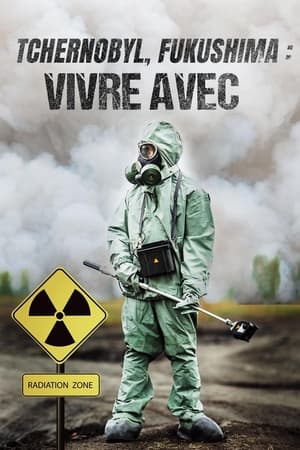
30 years after the Chernobyl catastrophe and 5 years after Fukushima it is time to see what has been happening in the “exclusion zones” where the radioactivity rate is far above normal.
The story of a brilliant ecologist with a plan to save the world by restoring the planet's forests. His original work was hijacked by corporations and politicians with disastrous effect. Now he's using science to fight back.
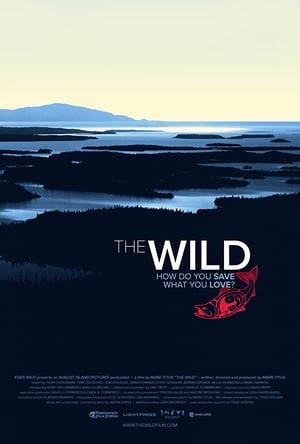
Newly into addiction recovery, an urgent threat emerges to spur filmmaker, Mark Titus back to the Alaskan wilderness - where the people of Bristol Bay and the world's last intact wild salmon runs face devastation if a massive copper mine is constructed.
For several decades, geoscientists have been observing that the Earth is changing rapidly due to human intervention. This action has such a great impact on the biological, geological and atmospheric processes of the Earth that some scientists speak of the dawn of a new epoch: the Age of Man or the Anthropocene.
Wildnis 2.0 - Die Tierwelt auf Umwegen
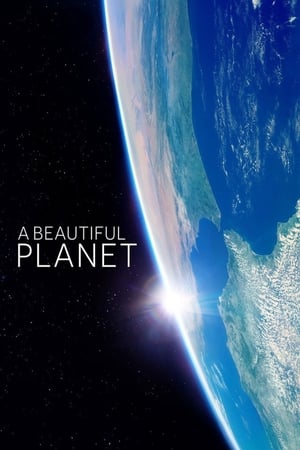
A breathtaking portrait of Earth from space, providing a unique perspective and increased understanding of our planet and galaxy as never seen before. Made in cooperation with the National Aeronautics and Space Administration (NASA), the film features stunning footage of our magnificent blue planet — and the effects humanity has had on it over time — captured by the astronauts aboard the International Space Station (ISS).
Climate is changing. Instead of showing all the worst that can happen, this documentary focuses on the people suggesting solutions and their actions.
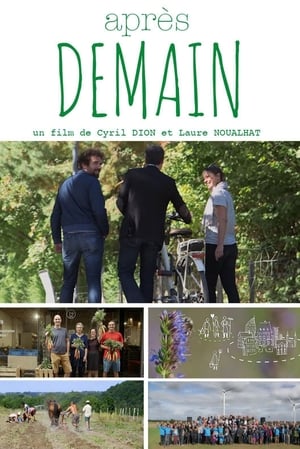
Two years after the phenomenal success of the documentary Demain, Cyril Dion looks back at the projects the film inspired. He is accompanied by Laure Noualhat, a renowned investigator and sceptic of the ability of micro-initiatives to have any real impact in the face of climate change. Their humorous confrontation pushes them to their limits: what works, what fails? What if all this forces us to invent a new narrative for humanity?
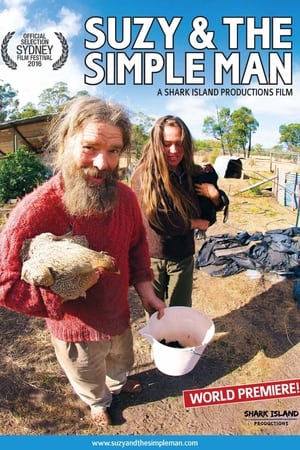
SUZY & THE SIMPLE MAN is an environmental love story about sustainability and the cycle of life. Eight years in the making, this intimate, funny and uplifting film features Suzy and her adventurer husband Jon Muir who live a simple life off the grid — growing organic fruit and vegetables and caring for their chooks and sheep. But the simple life is never as easy as it seems. When all seems perfect something changes their world and life takes an unexpected turn. With bravery and conviction Suzy and Jon confront perhaps their greatest challenge yet, and consider taking the road less travelled. SUZY & THE SIMPLE MAN is a modest story with big questions at its heart: our relationship to each other, to nature and to other creatures, the care of the planet and ourselves, and confronting our own mortality.
As a “spiritual follow-up” to 'Fin', 'Death Boom' “pulls back the curtain on the catastrophic mental and environmental impacts of the contemporary death care industry. The film, shown through the lens of the workers at the heart of it as they prepare for the passing of 77 million baby boomers, exposes the toll that embalming, cremation, and traditional burial have on those who’ve passed, their families, and deathcare workers, and the corruption – political, religious, and corporate – that stands in opposition to greener methods being nationally legalized and accessible.”
De l'eau dans le gasoil
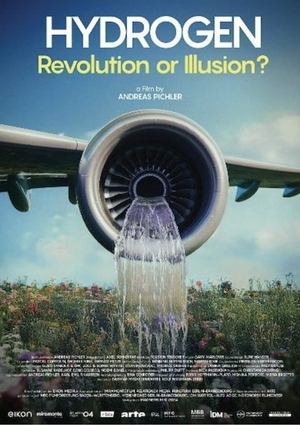
Steel giant Thyssen Krupp in Germany and cargo ship operator Maersk in Denmark are investing huge sums of money with public support to convert their huge and dirty energy consumption to ‘green’. Hydrogen plays a central role in this. At the same time, countries in Africa such as Morocco and Namibia are gearing up to become giga-suppliers of the new energy source. But does it all make sense? Why not just produce green steel in Africa? And what's the story behind the blue hydrogen that is supposed to come from Norway via pipeline? The film follows pioneers on breathtaking projects and shows that the energy transition is more complicated than expected and holds many surprises in store.
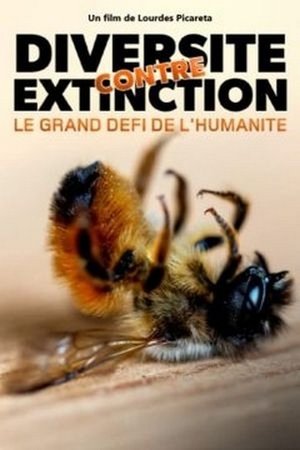
The loss of biodiversity is highly alarming: our planet is currently experiencing the greatest extinction since the age of the dinosaurs. This film documents the extinction of species currently happening around the world. But it also highlights hopeful initiatives as committed men and women on every continent fight to save endangered species and work towards improving biodiversity.