Katolícka moderna
A portrait of the brilliant American writer Truman Capote (1924-84) and the New York high society of his time.
Documentary tracing the extreme life of outlaw writer, performance artist and punk icon, Kathy Acker. Through animation, archival footage, interviews and dramatic reenactments, director Barbara Caspar explores Acker's colorful history, from her well-heeled upbringing to her role as the scribe of society's fringe.
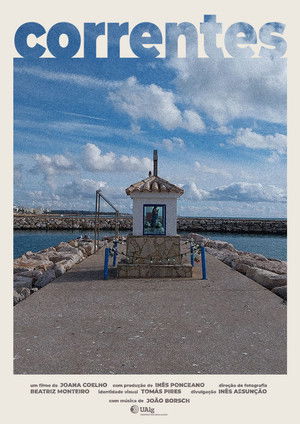
Três Realizadoras Portuguesas
Básnik Pavol Ušák Oliva
102 Years in the Heart of Europe: A Portrait of Ernst Jünger (Swedish: 102 år i hjärtat av Europa) is a Swedish documentary film from 1998 directed by Jesper Wachtmeister. It consists of an interview by the journalist Björn Cederberg with the German writer, philosopher and war veteran Ernst Jünger (1895-1998). Jünger talks about his life, his authorship, his interests and ideas. The actor Mikael Persbrandt reads passages from some of Jünger's works, such as Storm of Steel, The Worker, On the Marble Cliffs and The Glass Bees.
From the series "The Modern World: Ten Great Writers", this playful documentary introduces James Joyce's most famous work "Ulysses". It includes fantastic adaptations to film from passages of the novel. It also includes excerpts from a book written by Joyce's friend, the artist Frank Budgen, entitled "James Joyce and the making of Ulysses". Amongst those interviewed is author Anthony Burgess.
BBC documentary about Franz Kafka played by GREEK TV in 1990. This documentary is one of the ten films of “The Modern World: Ten Great Writers (1988)”.
An account of the life and work of Irish writer James Joyce (1882-1941) narrated by US actress Anjelica Huston.
Documentary short film on the city of Évora, Portugal. Usually regarded as the first film of the Portuguese New Wave.
In his second international bestseller, "Arc de Triomphe," author Erich Maria Remarque explores his own experience of exile and his decisive encounter with Marlene Dietrich. From Paris and Antibes to Los Angeles and New York, the documentary traces the moving genesis of this highly autobiographical novel, now considered a major work of European exile literature, and the literary legacy of the long-standing passion between two global stars.
What does it mean to be Black in America in the 21st century? The recently formed Black American film group TNEG™ has set out to elucidate this very question. Hearing from the likes of fine artist Kara Walker and musical artist Flying Lotus, the film is based on a deceptively simple approach -- asking a refined list of black 'specialists' as well as 'uncommon folks' questions about what they think, and more importantly as lead director Arthur Jafa states, 'What they KNOW' -- the film is an unprecedented 'stream of the black consciousness' and a strikingly original and rarefied look at black intellectual and emotional life. What's so unorthodox about this simple approach is that the interviews were recorded separately from the images in the film. What results is a breathtaking, kaleidoscopic look of American black life from the dawn of three original filmmakers.
A journey back through Dacia Maraini's and her trips around the world with her close friends cinema director Pier Paolo Pasolini and opera singer Maria Callas. An in-depth story of this fascinating woman's life. Maraini's memories come alive through personal photographs taken on the road as well as her own Super 8 films shot almost thirty years ago.
Three juxtaposing stories taking place in Portugal, Austria and Cuba create an intimate and poetic portrait of the daily lives and struggles of the elderly in an unstable world, seen through the eyes of their grandchildren.
The brilliant Czech writer Milan Kundera has not given an interview in thirty years; nor does he appear in public. How did he become a legendary author? What is so unique about his books?
An analysis of The Kindly Ones, Jonathan Littell's controversial novel, published in 2006, which dissects the ruthless mechanisms of the Shoah from the detached point of view of Maximilian Aue, a high-ranking Nazi officer.
The documentary is titled after Arkadaş Z. Özger’s poem “Hello My Dear” which had caused much controversy in the period it was first published. Considered to be in defiance of heteronormativity, the said poem includes references to the poet’s personality, his family, his relationship to the society, and his “unexpected” death, which came three years after its publication. Today, 50 years after it was written, the documentary follows these same lines in the poem utilising cinematic elements. The documentary also rediscovers the poetics; reaches out to the family, the comrades, the friendships, departing from the official historical accounts, cognizant of his experience of otherness, in pursuit of the “lost” portrait of Arkadaş Z. Özger.
José Emilio Pacheco: me llamo Nadie
An in-depth look at the Canadian rock band Rush, chronicling the band's musical evolution from their progressive rock sound of the '70s to their current heavy rock style.
In recent years, more than 2,500 books have been removed from school districts around the US, labeled as banned, restricted, or challenged, and made unavailable to millions of students. By no accident, the themes targeted are the usual scapegoats of the American Right—LGBTQ+ issues, Black History, and women’s empowerment—impeding the power of future generations to develop their own thoughts and opinions on critical social issues. By weaving together a lyrical montage of young readers and authors, THE ABCs OF BOOK BANNING reveals the voices of the impacted parties, and inspires hope for the future through the profound insights of inquisitive youthful minds.