Buenos Aires at the outskirts of XIX century. A society rigid in patriarchal rules. A war between brothers of Argentina, Brazil, Uruguay and Paraguay. Two young and very much in love youngsters, fight for their right to be together. Obeyance and fear sets them apart along more than ten years. When they are finally reunited, will they be able to overcome the pain and tragedy that haunts them?
In a small town, a police officer goes to the house of a teacher friend to question him about the sudden disappearance of one of his students, who had been responsible for a car accident that claimed the lives of a family of four.
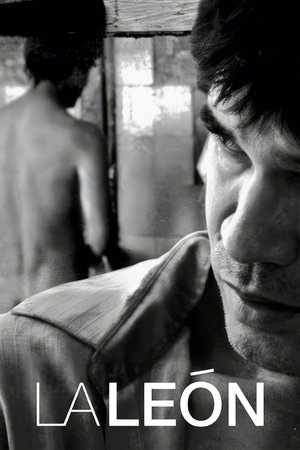
Deep in the lush river jungles of Argentina, Alvaro lives a solitary existence fishing and harvesting reeds. What sets him apart from the rest of his village is that he is gay. There are no other gay men in his world, his only means of expression is with the occasional outsider who passes through. Most of these men come via the river taxi El León, whose captain El Turu is a mean man with a homophobic streak and a secret. When illegal loggers appear in the jungle El Turu accuses Alvaro of aiding them, a dispute which leads both men towards confrontation.
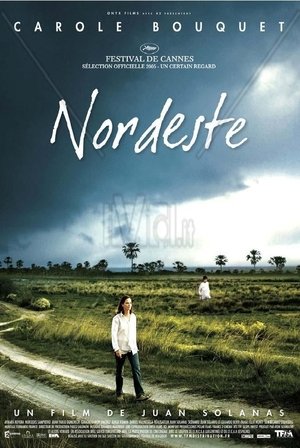
An accidental meeting between a French woman who goes to South America to adopt a baby and an Argentinian woman who with her small son leaves their hopeless village in search for a better life changes both of their lives forever.
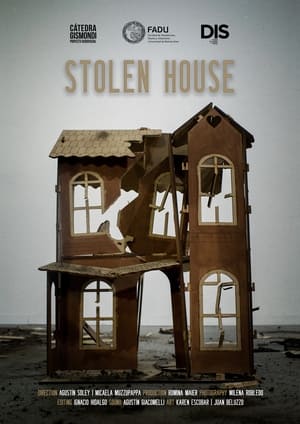
It is a fictionalized documentary, filmed in different locations (San Julián; Estancia La Colmena; Morón, Province of Buenos Aires; Capital Federal and Islas Malvinas). The original idea of the project is to reflect the historical and paradoxical connection that unites continental Patagonia with the Islas Malvinas. It is a story that recreates several moments, both the arrival of Islas Malvinas settlers and the departure of Argentine pilots on combat missions during the 1982 war. The documentary is filmed in a cinematic style, but also incorporates the most rigorous documentary logic: interviews, narration, and careful historical research into the events.
In the late 1980s, journalist José de Zer seeks proof of alien life in Argentina — even if he has to fake evidence — causing a surreal media circus.
A chronicle on the days without Jorge Julio López, key witness and complainant on the first trial on genocide in Argentina, dated in 2006. López, who had survived through concentration camps on the late seventies argentinian dictatorship, disappeared for the second time the day the court decision meant to condemn his kidnappers was about to be read.
A young man decides to join the army. He becomes the drummer in the military band, and his everyday life is now a combination of military training and music. What does the Argentine Army do these days, more than thirty years after the dictatorship? What does it mean to be a soldier in a country without wars?
A gambler discovers an old flame while in Argentina, but she's married to his new boss.
Ricky Espinosa: The Documentary is a self-managed and independent project created by Juan Pablo Duarte in Buenos Aires, Argentina. It explores the life of Ricky Espinosa as an artist—his beginnings, his career, and his discography—featuring previously unreleased archival material and exclusive interviews.
Proyecto muerto v6 (6).mp4
A couple travels from Hong Kong to Argentina to revive their relationship but experience turbulence when both men's lives drift in separate directions.
La Patagonia, southern Argentina. After his mother's death, Nahuel, a violent teenager, meets his biological father, Ernesto, a skillful hunting guide; but their reunion is harsh, since their souls are only ruled by pride and resentment.
A quiet, epileptic taxidermist plans the perfect crime. All he needs is the right opportunity. An accident, perhaps…
A look into the life of an extremely poor argentinian family.
El Tiempo que nos Quiebra
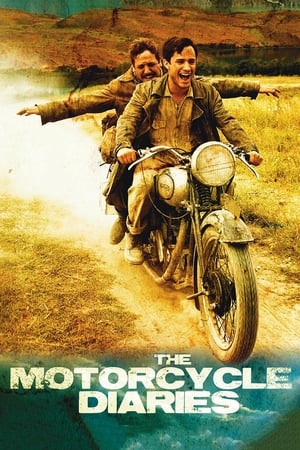
The third installment in Dan Přibáň's series of travel documentaries describes the author's journey with his friends across South America in vehicles that are often notorious but cult in their own way. The charming dynamics of the group on screen are further enhanced by the high-quality craftsmanship.
During the 1960s there was a group of writers in Buenos Aires who, influenced by the North American Beatnik movement, called themselves Opium. Anarchists, rebels with a cause, populated Buenos Aires nights in bars like El Moderno, promoting a different movement for a different time. This film addresses not only Opium, but the sixties itself, and its collateral protagonists.
Documentary about the history and present of Argentine horror cinema.
Documentary about the life and work of Jorge Luis Borges, from his own memories and reflections.