Finding Happy follows a woman’s healing journey with her rescued sparrow, Happy, inspiring an exploration of life-changing human-animal bonds. Through heartfelt, intimate stories of unique connections, the film challenges conventional ideas of connection and compassion, offering a message of hope, kindness, and healing. It encourages viewers to listen—to ourselves, others, and the world around us— proving that joy and purpose can be found in the most unexpected places.
Extravíos
Children get ready to start the first grade. They start learning the first letters.
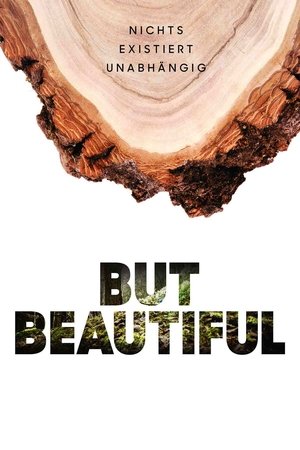
In his new film, Erwin Wagenhofer is looking for the good and beautiful in this world.
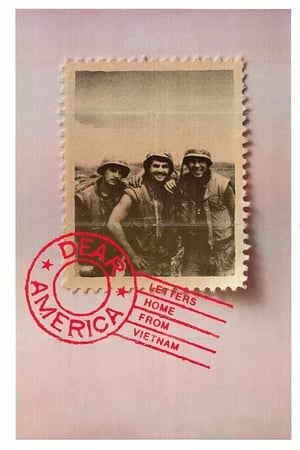
Real-life letters written by American soldiers, sailors, airmen, and Marines during the Vietnam War to their families and friends back home. Archive footage of the war and news coverage thereof augment the first-person "narrative" by men and women who were in the war, some of whom did not survive it.
In a series of letters to her young son, a mother, soldier and filmmaker documents her thoughts from the Ukrainian frontline.
"Letters from Europe" brings to light the words of men and women who gave their lives resisting the Nazi and fascist conquest from 1939 to '45 across the European continent. The moving goodbyes penned by a few of those sentenced to death are sometimes true spiritual testaments that explore the meaning of civic responsibility, human existence, fraternity, and life and death. Their words, which the film mingles with footage of the present day, can perhaps restore meaning to a humanist ideal and to the ever-changing idea of a united Europe.
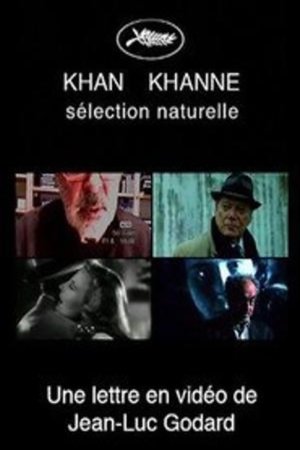
Rather than writing a simple letter to explain his absence from the press conference for his latest Cannes entry, "Goodbye to Language," at the Cannes Film Festival, instead, legendary filmmaker Jean-Luc Godard created a video "Letter in motion to (Cannes president) Gilles Jacob and (artistic director) Thierry Fremaux." The video intercuts from Godard speaking cryptically about his "path" to key scenes from Godard classics such as "Alphaville" and "King Lear" with Burgess Meredith and Molly Ringwald, and quotes poet Jacques Prevert and philosopher Hannah Arendt.
In the summer of 1963, François Mitterrand was going through a deep existential crisis. His political career was at a standstill and, after 19 years of marriage, the couple had grown apart. It was at this point that François Mitterrand met the woman who was to give new meaning to his life. Anne Pingeot, aged 19, was to become the companion of a lifetime, a woman who would be with him throughout his rise to power and who would remain by his side until his last breath. For the first time, Anne Pingeot has agreed to allow the fragments of this passionate love story — hundreds of letters and a diary — to be shown on television, before being donated to the National Library.
In the 1990s many people in Kurdistan were taken into custody and interrogated under torture; their killers disposed of the bodies by throwing them out of helicopters, or burying them in acid-filled wells. Thousands were murdered/disappeared by paramilitary forces—such as Jitem and Hizbul-Kontra—that were financed and supported by the state, though they have always stuck to the line: “We didn’t do it.” The documentary looks at the case of seven people, including four children, who were disappeared from the town of Kerboran [Dargeçit] in 1995, and tells the story of their families’ tireless search for their bones
A young filmmaker maintains an epistolary conversation with his deceased grandmother while he rediscovers the space they both inhabited for more than a decade.
Two men, the hint of a sofa corner and a pile of letters. Using minimalist means, the film tells the story of two brothers caught between exile in a foreign country and resistance in the underground. It takes us back to the time when the revolution seized power in Iran and tells of life between the fronts. Daniel Asadi Faezi sketches the story of his father and his brothers - based on correspondence that has lain in the cellar for 30 years.
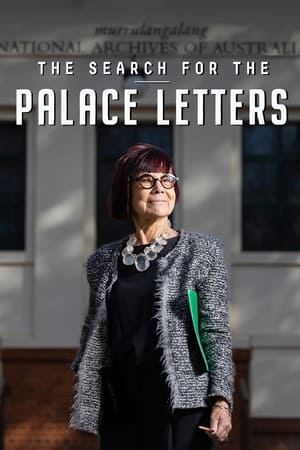
This remarkable documentary tells the story of Professor Jenny Hocking, the historian who took on the Australian Government and HM Queen Elizabeth II in a landmark legal battle - and won.
Filmed entirely inside the world of virtual reality (VR), this immersive and revealing documentary roots itself in several unique communities within VR Chat, a burgeoning virtual reality platform. Through observational scenes captured in real-time, in true documentary style, the film reveals the growing power and intimacy of several relationships formed in the virtual world, many of which began during the COVID-19 lockdown, while so many in the physical world were facing intense isolation.
Con Traje y Sin Zapatos
Pierre Dumayet relate the life of Fyodor through his letters, in particular his correspondence with his brother Mikhaïl.
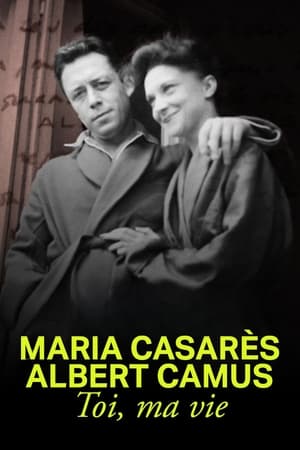
Maria Casarès, a theatre actress and Albert Camus, one of the most important modern french writer, keep a long correspondence (more than 900 letters) about their love and the emotions they feel for each other for 15 years.
A semi-fictional correspondence between two women: one goes to Iran in 1979 to topple the Shah; the other experiences the onerous years of Ceaușescu’s Romania. Their biographies run in parallel via images of everyday life and videograms of revolution.
Readings from the diaries, accounts and letters of its passengers and crew tell the story of the Titanic, which sank 100 years ago today on its maiden voyage. The cast includes Richard E Grant, Roger Allam, Anna Madeley, James Wilby and Claudie Blakley, alongside relatives of those who were on board. Charles Dance narrates.
A playful, free, and personal film in the form of a letter, a film interwoven with a thousand stories knit together with different textures, a book of images where a filmmaker shows the images and the stories he wants to share.