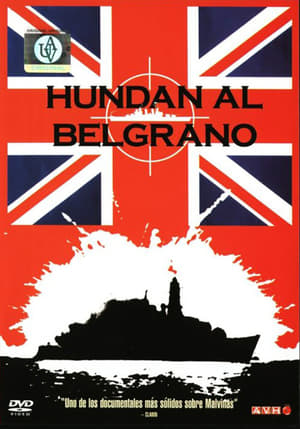
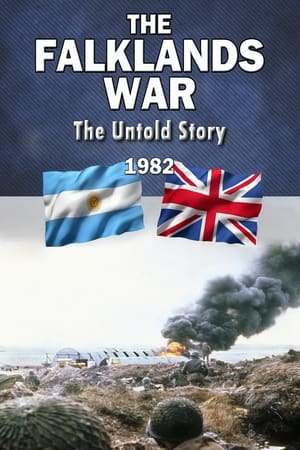
Documentary film about the then longest range bombing mission in history, which changed the outcome of the Falklands War.
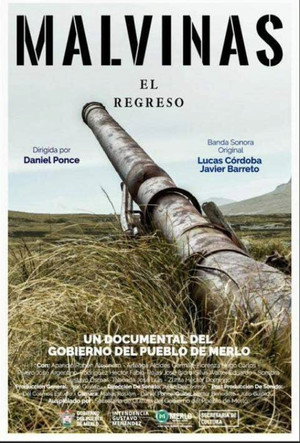
A detailed account of each of the details of the Malvinas War based on interviews, dramatic scenes, maps and other elements of historical roots without ignoring the historical antecedents from the 18th century that ended in this confrontation.
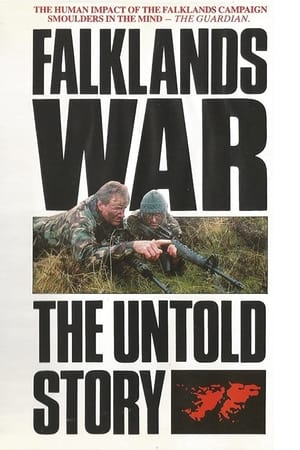
Five years after the war in the Falklands between Britain and Argentina, many facts were still wrapped in red tape. Many of the key figures had remained silent. No-one had been to Argentina to tell the other side of the story. For the majority of the British people, the war was another glorious chapter in their history. With flags waving and bands playing, British troops had sailed away to repel the invaders. Patriotic emotions were stirred as they returned victorious. Government MPs tried to get the film banned, but Yorkshire TV's telephones were jammed with messages of support from wives and mothers of those who died in the conflict. Called 'the documentary to end all documentaries about the Falklands War' in the British press, it was also described as 'more poem than polemic - a hymn against war'.
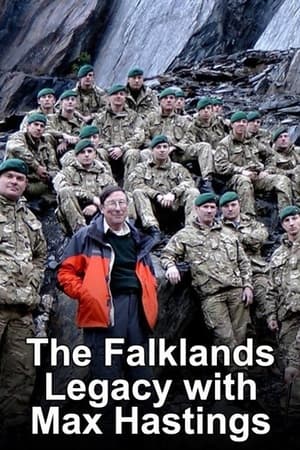
To mark 30 years since the Falklands War, this documentary follows three men back to the islands. For veteran Simon Weston, the journey is an opportunity to experience some of the stunning wildlife on Sea Lion Island.
The Falklands/Malvinas War has proved a powerful motif in contemporary Argentine film-making and Ramiro Longo's new documentary offers a unique take on the conflict and its pervasive legacy. While Argentina suffered 649 casualties during the War, subsequently over 350 ex-servicemen have committed suicide while attempting to come to terms with civilian life in the aftermath of the 1982 defeat. Longo's film is structured around an extended interview with War veteran Sergio Delgado who provides a moving testimony on the conflict and the ways in which it has subsequently haunted his life and aspirations. As much an insider's view of the conflict as a tale of the legacy of trauma, Not Really Ours offers a reflection on memory, fear and the shaping of a nation's psyche. Longo's deft editing juxtaposes telling footage alongside Delgado's story. The result is both a moving tapestry of war and its scars and a telling reflection on the ways in which official history is constructed.
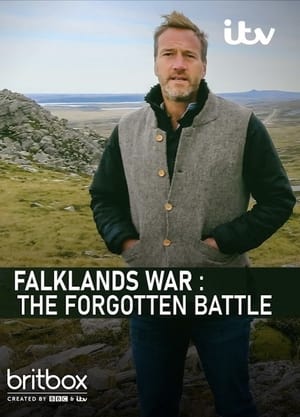
Ben Fogle uncovers one of the untold stories of the Falklands War - a battle fought by 30.000 British Marines against an Argentine invading force ten times that number.
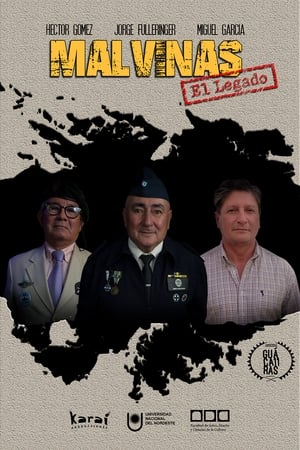
The documentary tells the first-person story of what seven veterans experienced during the Malvinas War through their childhood and adolescence, sharing life in a town in the interior of Córdoba. The military service, the landing, the waiting, the cold, the hunger, the fear, the battles, and the return to their village. "I want them to know about my war," says Jorge, taking off his beret as a sign of respect for those who lost their lives in the Malvinas. Today, more than 40 years after the war, they recount what those 74 days were like that marked their lives forever.
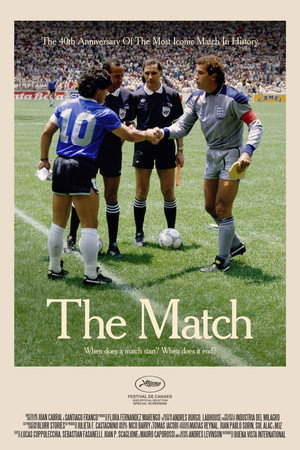
Film reconstructs the historic match Argentina vs England at the 1986 FIFA World Cup quarter-finals, famously remembered for the the hand of God goal by Maradona. Also exploring the sporting, political, and cultural dimensions of the encounter, in the background of the recent deadly Falklands War between the two countries.
Zimbabwean landmine clearers Shame and Cosimas, as well as medic Previous have been traveling to the other side of the world for years to clear mines in the British Falkland Islands. In the subpolar cold, between sand dunes and penguins, they defuse and blow up the legacies of a forgotten war.
The story of the relatives of the 649 Argentine fallen in the Malvinas War, who as soon as the military conflict ended, found themselves alone with their pain and prevented from approaching the grave of their loved ones, either because their bodies were left in the Cemetery of Darwin, in the Malvinas, or because they disappeared without being identified.
A story told by ten men who fought together in the Falklands War, with unflinching honesty, discussion of life-changing moments of combat and how they have come to terms with them since.
A powerful Argentine political film stands on the figure of an outsider intellectual, Sebreli, but manages to transcend it, he becomes a touchstone to go through Argentina and its dilemmas, through this country that is proud of almost everything it should be ashamed of. From national icons like Gardel, Evita, Che, and Maradona the film dialogs with recent Argentine history and it does so with extraordinary energy, supported by a rarely seen use of all kinds of archive material in an almost Dionysian state of sampleadelia. The film arrives to a surprising reflection on nationalism, demagogic governments and delusions of unanimity; problems that are common to emerging societies that cannot find their ways to a freer and more egalitarian society.
Documentary on the Falklands War of 1982
On the 40th anniversary of the conflict, senior commanders and ground troops reveal how a series of mistakes nearly cost Britain its hard-won victory over Argentina in the South Atlantic.
A single female voice sings of waiting in her garden for her ‘dark-eyed sailor’ to return from war, bearing the other half of their token, a gimmel ring. Three veterans pass on the road as she waits, and she asks them: “When you were fighting in distant lands, did you think of the home you left?” In reply the veterans relate their recollections. The garden images in the accompanying film represent ‘home’, but also stand for a more general possibility of redemption, of the potential of the past to return at any time, disguised and changed, to renew the present: “Each moment of time is a garden gate,” the song goes, “Through it my love may walk.”
1982 Malvinas, La guerra desde el aire
Argentinian veterans return to the Falkland Islands after 36 years.
Malvinas, legado de sangre
The Falklands War began on April 2, 1982, with the Argentine landing on the islands ordered by Leopoldo Fortunato Galtieri, and culminated with the cessation of hostilities between Argentina and the United Kingdom of Great Britain on June 14, 1982. Through dynamic editing and the use of archival materials, the documentary considers the war as part of our recent past, but also opens up multiple questions and reflections on contemporary society and the future projection of what such a conflict generates for us Argentines.
A story that explores the role of women in the Malvinas War. The protagonist, leader of a group of veteran nurses, commits suicide while this documentary is being filmed. Her companions took on her legacy and continue the fight for recognition in the face of the silence of history and the Argentine Navy.