A journey back through Dacia Maraini's and her trips around the world with her close friends cinema director Pier Paolo Pasolini and opera singer Maria Callas. An in-depth story of this fascinating woman's life. Maraini's memories come alive through personal photographs taken on the road as well as her own Super 8 films shot almost thirty years ago.
Documentary tracing the extreme life of outlaw writer, performance artist and punk icon, Kathy Acker. Through animation, archival footage, interviews and dramatic reenactments, director Barbara Caspar explores Acker's colorful history, from her well-heeled upbringing to her role as the scribe of society's fringe.
A Short film by Christophe Bisson
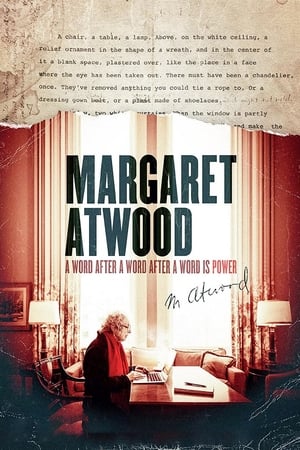
The views and thoughts of Canadian writer Margaret Atwood have never been more relevant than today. Readers turn to her work for answers as they confront the rise of authoritarian leaders, deal with increasingly intrusive technologies, and discuss climate change. Her books are useful as survival tools for hard times. But few know her private life. Who is the woman behind the stories? How does she always seem to know what is coming?
Explore the life of Flannery O’Connor whose provocative fiction was unlike anything published before. Featuring never-before-seen archival footage, newly discovered journals, and interviews with Mary Karr, Tommy Lee Jones, Hilton Als, and more.
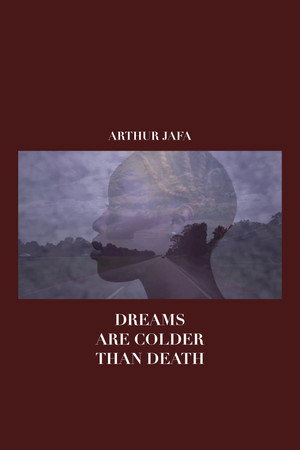
What does it mean to be Black in America in the 21st century? The recently formed Black American film group TNEG™ has set out to elucidate this very question. Hearing from the likes of fine artist Kara Walker and musical artist Flying Lotus, the film is based on a deceptively simple approach -- asking a refined list of black 'specialists' as well as 'uncommon folks' questions about what they think, and more importantly as lead director Arthur Jafa states, 'What they KNOW' -- the film is an unprecedented 'stream of the black consciousness' and a strikingly original and rarefied look at black intellectual and emotional life. What's so unorthodox about this simple approach is that the interviews were recorded separately from the images in the film. What results is a breathtaking, kaleidoscopic look of American black life from the dawn of three original filmmakers.
In the late ‘70s, in the midst of the military dictatorship, a surrealist literary work- shop is the oasis of Martín, a tormented young man who seeks to improve his poetry. Caron, a brilliant and eccentric writer, adopts him as a son. Their bond is recorded in short home movies and an unusual correspondence.
A portrait of the brilliant American writer Truman Capote (1924-84) and the New York high society of his time.
Published in 1949, The Second Sex became the bible of global feminism. An essential work that passionately advocates for gender equality, women's independence, and the liberation of morals. Today, how does this seminal work continue to resonate in our contemporary world? Conceived as an initiatory journey to the origins of Simone de Beauvoir's thinking, the film The Second Sex: In the Footsteps of Simone de Beauvoir takes us to the United States, to the places that inspired the philosopher and nourished her theories. An American road trip bringing together the worst and the best, predatory capitalism and mad love. A unique reinterpretation in the company of the great thinkers of our century.
In his second international bestseller, "Arc de Triomphe," author Erich Maria Remarque explores his own experience of exile and his decisive encounter with Marlene Dietrich. From Paris and Antibes to Los Angeles and New York, the documentary traces the moving genesis of this highly autobiographical novel, now considered a major work of European exile literature, and the literary legacy of the long-standing passion between two global stars.
In celebration of the 100th anniversary of Roald Dahl’s birth, film and television personalities take turns championing their favourite of Dahl's 10 best-selling children’s books, culminating in a nationwide vote. Rik Mayall reads from George’s Marvellous Medicine.
From the series "The Modern World: Ten Great Writers", this playful documentary introduces James Joyce's most famous work "Ulysses". It includes fantastic adaptations to film from passages of the novel. It also includes excerpts from a book written by Joyce's friend, the artist Frank Budgen, entitled "James Joyce and the making of Ulysses". Amongst those interviewed is author Anthony Burgess.
BBC documentary about Franz Kafka played by GREEK TV in 1990. This documentary is one of the ten films of “The Modern World: Ten Great Writers (1988)”.
About the poet C.A.Conrad, an eccentric Elvis worshiping poet and tarot card reader, who confronts his violent past and the suspicious death of his boyfriend, Earth. The film attempts to unravel the mystery of Earth's death, while Conrad wrestles with his inner demons through a series of unconventional rituals and a tour of the deep South.
In recent years, more than 2,500 books have been removed from school districts around the US, labeled as banned, restricted, or challenged, and made unavailable to millions of students. By no accident, the themes targeted are the usual scapegoats of the American Right—LGBTQ+ issues, Black History, and women’s empowerment—impeding the power of future generations to develop their own thoughts and opinions on critical social issues. By weaving together a lyrical montage of young readers and authors, THE ABCs OF BOOK BANNING reveals the voices of the impacted parties, and inspires hope for the future through the profound insights of inquisitive youthful minds.
Passers-by, those who knew him in his youth, René Barjavel, witness of his beginnings, his wife, his doctor, writers ... By questioning them Michel Polac tries to better understand the troubled personality of Louis-Ferdinand Céline, Notorious anti-Semite and genius writer.
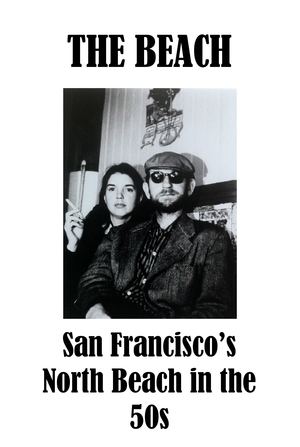
San Francisco's North Beach in the 50's - A mix of jazz, poetry and art - The Beach recreates the atmosphere that prevailed through first-hand accounts from the actual "players" along with photographs and artwork from that vibrant time.
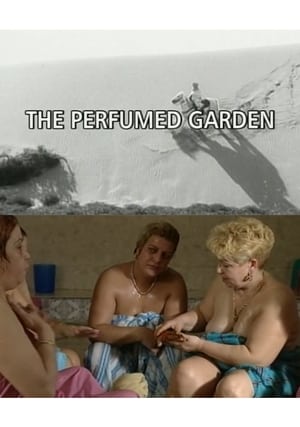
THE PERFUMED GARDEN is an exploration of the myths and realities of sensuality and sexuality in Arab society, a world of taboos and of erotic literature. Through interviews with men and women of all ages, classes, and sexual orientation, the film lifts a corner of the veil that usually shrouds discussion of this subject in the Arab world. Made by an Algerian-French woman director, the film begins by looking at the record of a more permissive history, and ends with the experiences of contemporary lovers from mixed backgrounds. It examines the personal issues raised by the desire for pleasure, amidst societal pressures for chastity and virginity. The film discusses pre-marital sex, courtship and marriage, familial pressures, private vs. public spaces, social taboos (and the desire to break them), and issues of language.
India's prosperous Green Revolution was led by Punjab, a state in northern India famous for its lush rice fields and wet, fertile soil. But as farmers are conned into buying more and more pesticides, herbicides and fertilisers that they don't need, which demand often ten times more water, the water table is sinking at an alarming rate. Punjab's water has been poisoned by the chemicals, and the farmers poison their bodies with opium, helping them to work longer and harder. Loans from a middleman are taken out, with extortionate interest rates that are impossible to pay back. As a result, hundreds of Punjabi families are left without a father, husband or son as more and more farmers cave in under the pressure and drink their own chemicals to end their lives.
A portrait of the British writer Thomas Hardy (1840-1928), who, although he had radical instincts, hated hypocrisy, was of great poetic brilliance, had a tragic perception of life and a calm outward appearance, was at heart a man of seething and somber darkness.