Embark on a journey of discovery in Madagascar with Alexandre and Sonia Poussin, Philaé, 10 years old, and Ulysse, 7 years old, along with their quirky cart pulled by zebu. Their mission was multi-faceted: to produce a documentary series, raise funds for NGOs encountered along the way, open their children's eyes to the beauty but also the fragility of the island's endemic nature, and finally to live a life of long-term, joyful simplicity. Challenges of crossing, encounters, and lessons learned will always be present in this slow-paced alternative learning journey.
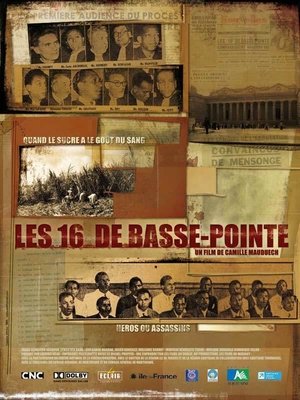
Les 16 de Basse-Pointe
This excellent feature-length documentary - the story of the imperialist colonization of Africa - is a film about death. Its most shocking sequences derive from the captured French film archives in Algeria containing - unbelievably - masses of French-shot documentary footage of their tortures, massacres and executions of Algerians. The real death of children, passers-by, resistance fighters, one after the other, becomes unbearable. Rather than be blatant propaganda, the film convinces entirely by its visual evidence, constituting an object lesson for revolutionary cinema.
Through ramshackled Nuxalk Radio in Bella Coola, the disappearance of the ooligan reveals a buried history deeper than the river itself.
Le Baron et l'Empereur : Japon, la voie de la guerre
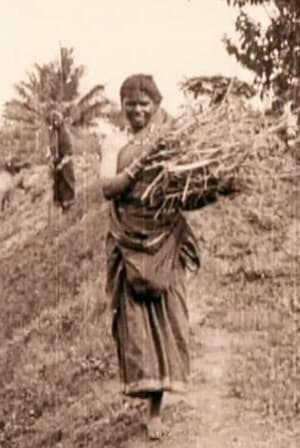
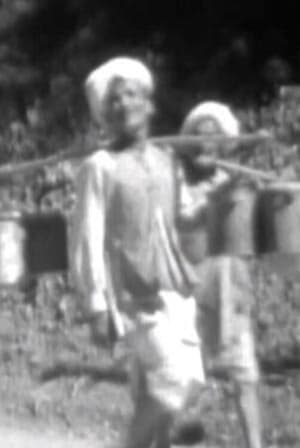
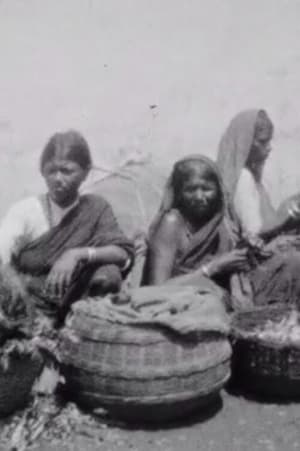
This portait of life on the tea plantations is decidedly rosy – clearly, there are no exploited workers here. However, the film provides an intriguing overview of tea production – from the planting of tea seeds to the final shipping of the precious leaves across the globe.
In the fifties, when the future Democratic Republic of Congo was still a Belgian colony, an entire generation of musicians fused traditional African tunes with Afro-Cuban music to create the electrifying Congolese rumba, a style that conquered the entire continent thanks to an infectious rhythm, captivating guitar sounds and smooth vocals.
This film was originally made for the International Conference on Human Settlements (HABITAT) which was held in Vancouver, Canada. Taking as an example the production and marketing of bananas and the prevailing conditions in the world market - dominated by the virtual monopoly of three multinational companies -, it is shown how as a result of this monopolistic domination, the Costa Rican State has stopped receiving equitable taxes for what that, in the end, the housing and public services offered by the country are characterized as those of an underdeveloped society. The attempt made since 1974 by a group of banana-producing countries, aimed at improving sales prices to multinationals and raising taxes; The resulting “banana war” are examples of the enormous efforts that small banana countries have to make to achieve greater justice in the prevailing market conditions.
Stories of Waitara combines oral histories, state of the art animations and powerful dramatic re-enactments to bring to life the narratives of Te Ātiawa in their epic battle against the military might of the British Empire. Created and presented by award-winning journalist Mihingarangi Forbes NZ Wars: Stories of Waitara documents the epic battle for control over the fertile lands of Taranaki. Shared through the eyes of Te Atiawa descendants including Dr Ruakere Hond with insights from acclaimed historian Dr Vincent O'Malley this digital documentary project focuses on the beginning of the Taranaki wars which started in Waitara and raged across the region for over two decades. The Taranaki pa site of Pukerangiora holds a significant place in New Zealand's military history as a lasting symbol of Maori resistance and resilience. Pukerangiora is now the backdrop for the latest installment of RNZ's award-winning docu-series on the bloody birth of modern New Zealand.
An exhaustive explanation of how the military occupation of an invaded territory occurs and its consequences, using as a paradigmatic example the recent history of Israel and the Palestinian territories, the West Bank and the Gaza Strip, from 1967, when the Six-Day War took place, to the present day; an account by filmmaker Avi Mograbi enriched by the testimonies of Israeli army veterans.
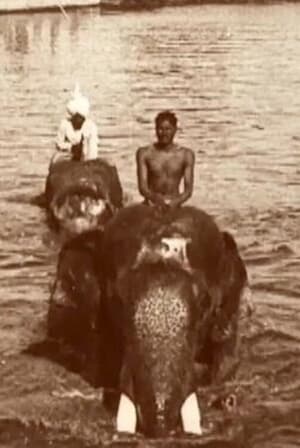
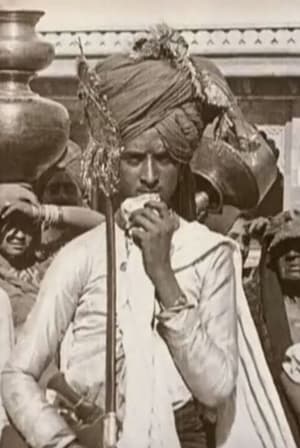
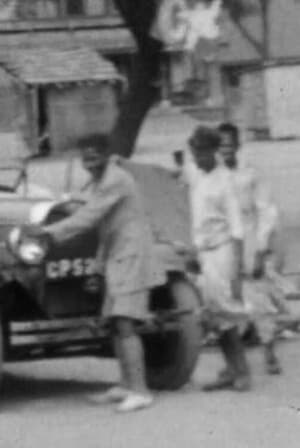
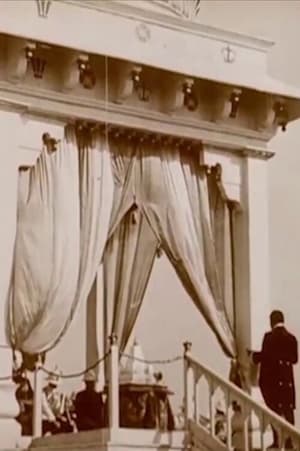
This official travelogue of a royal tour follows the Prince on a series of regimental displays and a tiger hunt.
The future Edward VIII visits Malakand, Kapurthala and opens the Royal Military College at Dehra Dun
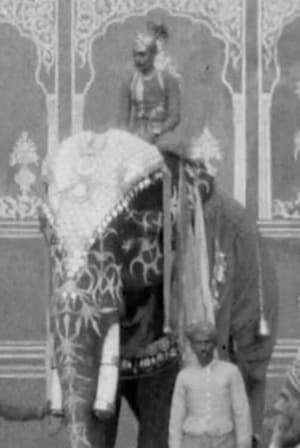
The future Edward VIII enjoys a stately procession and visits the Taj Mahal before meeting senior Indian royalty.
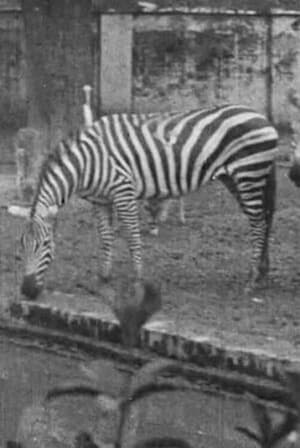
Accompany a couple on their visit to a local wildlife park.
An investigation into the unfolding history of nuclear testing, uranium mining, and nuclear waste disposal on indigenous lands in the US. It raises the voices of those who witnessed and experienced the consequences of nuclear colonialism and those who still resist.
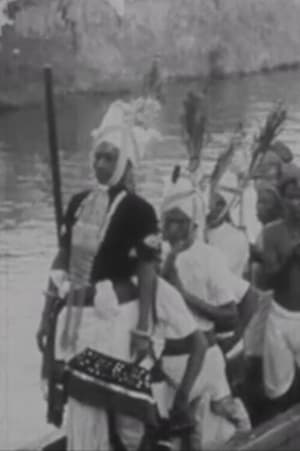
The life of the people of the Naga Hills, Assam, including sports activities and tribal ceremonies, presented within a fictional framework.
Commissioned by the journal Présence Africaine, this short documentary examines how African art is devalued and alienated through colonial and museum contexts. Beginning with the question of why African works are confined to ethnographic displays while Greek or Egyptian art is celebrated, the film became a landmark of anti-colonial cinema and was banned in France for eight years.
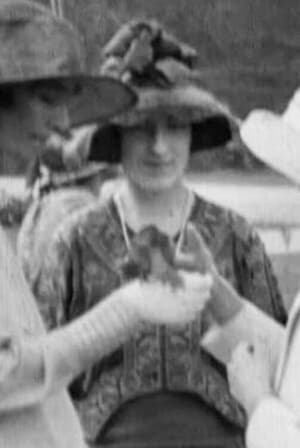
The future Edward VIII opens a durbar and enjoys a day at the races before inspecting the fire brigade in Calcutta.
This true, astonishing story describes how King Leopold II of Belgium turned Congo into its private colony between 1885 and 1908. Under his control, Congo became a gulag labor camp of shocking brutality. Leopold posed as the protector of Africans fleeing Arab slave-traders but, in reality, he carved out an empire based on terror to harvest rubber.
Documentary chronicling the government relocation of 10,000 Navajo Indians in Arizona.