For nearly three decades Laura Aguilar has used photography as a tool to speak about people and issues not considered part of the cultural mainstream. Laura Aguilar: Life, the Body, Her Perspective presents personal video essays by the artist, a lecture she gave at UCLA in 2005 that describes her life as a photographer, plus an interview and documentary filmed by Michael Stone. A comprehensive series of slide shows features works from her extensive oeuvre, including Family and Friends, In Sandy’s Room, and Clothed/Unclothed. A bonus CD contains a PowerPoint survey that enables students and educators to study individual images, facilitating discussion of Aguilar’s groundbreaking art.
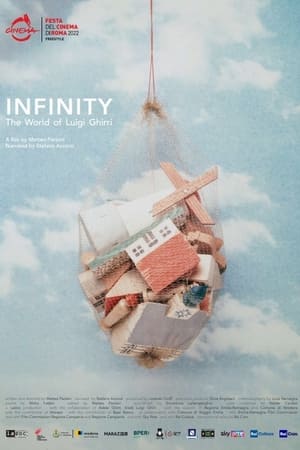
In this poetic portrayal of Luigi Ghirri (1943–1992), a master of contemporary photography, the director gives voice and, in particular the image, to the protagonist. The photographer takes the audience on a tour of the outskirts of daily life as seen from the corner of his eye, the area in between what is artificial and authentic or grand and small – the meso-scale.
Mario, a young, handsome surveyor, arrives in a small Patagonian town to prepare the overland transport of a passenger ship. The inhabitants eagerly await the trek, some hoping it will establish a better link to the outside world, others just sensing an opportunity to make money. No only by falling in love with Gloria, who runs a garment store, is married to a wealthy hacienda owner, but also has an affair with the town's mayor, Mario gets entangled in a tight web of relations.
A short documentary and character study about a woman's complex relationship with religion and family.
Rasulan
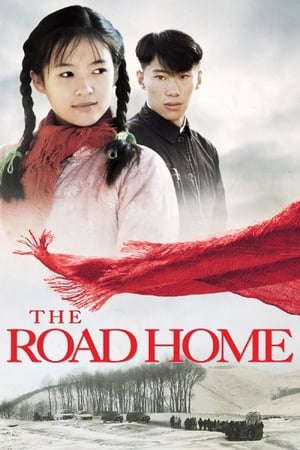
Prompted by the death of his father and the grief of his mother, a man recalls the story of how they met in flashback.
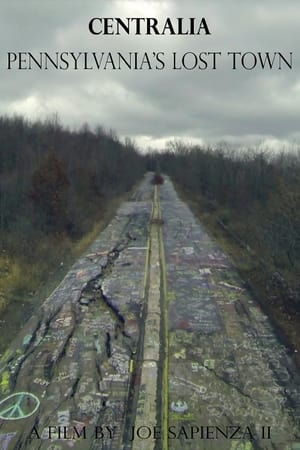
A small town is overcome by a massive underground coal fire in 1962. As a result hundreds of residents had to be relocated.
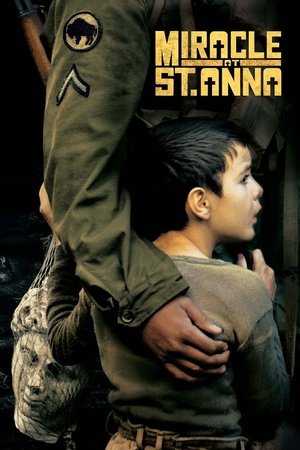
Miracle at St. Anna chronicles the story of four American soldiers who are members of the all-black 92nd "Buffalo Soldier" Division stationed in Tuscany, Italy during World War II.
A journey through six different countries and characters into a world where chemistry is the ultimate response to human pursuits of well-being.
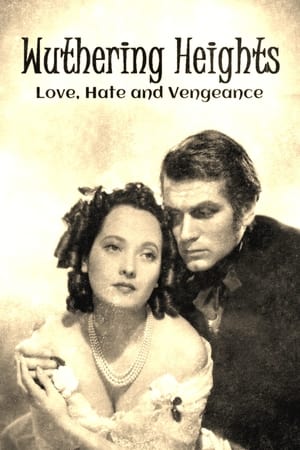
In 1847, British writer Emily Brontë (1818-48), perhaps the most enigmatic of the three Brontë sisters, published her novel Wuthering Heights, a dark romance set in the desolation of the moors, a unique work of early Victorian literature that stunned contemporary critics.
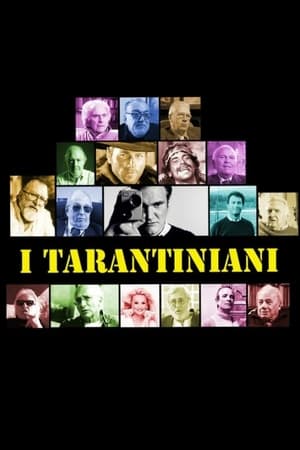
Tarantino reveres them, and for good reason. Welcome to the world of the kings of the Italian B-Movie.
The events take place in a small Albanian village, around the '30ies. This isolated land, dominated by rituals and patriarchal relationships is the spirit that welcomes the newborn child of Abas. Servet, a co-villager, emigrant in the United States of America comes back in his homeland bringing a new vision and a new mentality, which serves as an inspiration for the 10 years old boy, Gjoleka, the son of Abas. Gjoleka founds himself in between of the ideas of his wild father, Abas and his illuminist godfather, Servet. Gjoleka symbolizes the young generation in the difficult realities that offer small and underdeveloped countries, where the outside world constitutes an irresistible attraction. The movie shows with a deep realism the human relationships, such as love, jalousie, hate, the impossibility to be integrated with another world, making this way a cruel autopsy of the weird society to which, "sometime" we belong.
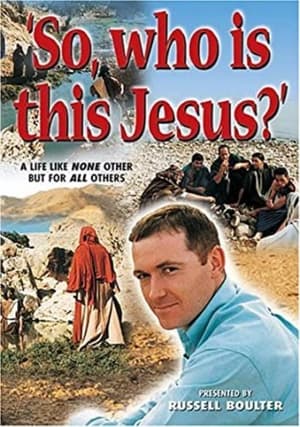
This program has been designed specifically to help people with no previous knowledge of Jesus to have a better understanding of who He is.
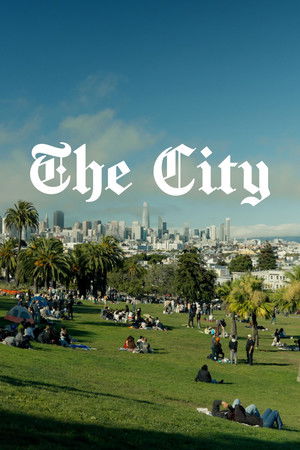
Beyond the sensationalized stories dominating the news, real people share their unfiltered experiences of life in San Francisco, a city far more complex and human than any headline can capture.
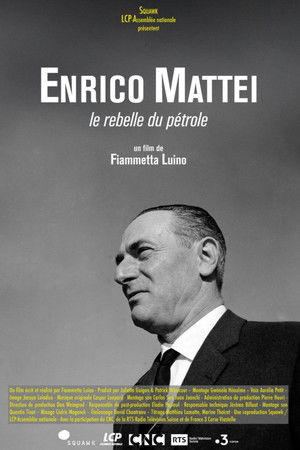
Enrico Mattei, le rebelle du pétrole
A look back at the life and career of Japanese guitarist hide, who died under questionable circumstances in 1998.
A documentary about the social impact of the hot dog on American Culture. Follow the crew as they travel across the country to explore the many facets of hot dog culture. 'To understand a bike, you look at the wheels. To understand a wall, you look at each brick. And to understand America, you must look at the hot dog."
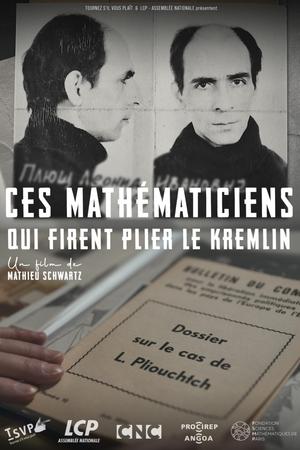
On January 15, 1972, Leonid Pliouchtch, a Ukrainian mathematician who was unknown at the time, was locked up in a Soviet psychiatric institution and accused of dissidence. His wife, Tatiana, fought for his defense and contacted a committee of French mathematicians to help him. Led by Laurent Schwartz, they launched a three-year campaign to secure his release and succeeded in getting the USSR to back down on the issue.
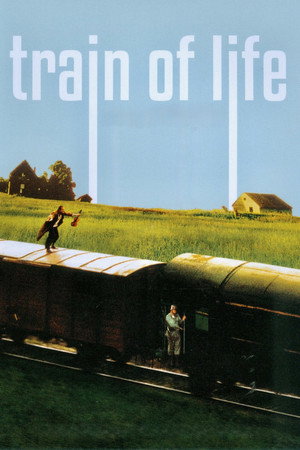
In 1941, the inhabitants of a small Jewish village in Central Europe organize a fake deportation train so that they can escape the Nazis and flee to Palestine.
From an early age, Arnold believes he is an extraterrestrial. Day in, day out, he is busy trying to build a flying machine that will finally take him "home". Protected by his mother Ida and her long-time admirer, the country doctor Emil, he is regarded as a quirky but lovable outsider in his home village.