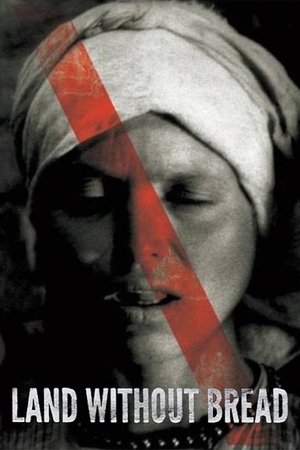
An exploration —manipulated and staged— of life in Las Hurdes, in the province of Cáceres, in Extremadura, Spain, as it was in 1932. Insalubrity, misery and lack of opportunities provoke the emigration of young people and the solitude of those who remain in the desolation of one of the poorest and least developed Spanish regions at that time.
A glimpse of the pre-history of cinema starting with the projections of Etienne Gaspard Robert (also known as M. Robertson), who used magic lanterns and other optical illusions to develop the genre of the Gothic phantasmagoria in the late eighteenth century.
A portriat of the daily lives of Beatriz and Gilberto, a couple that has been together for over 40 years. A reflection about love and marriage. An intimate glimpse into the lives of two people who struggle to live in harmony.
Kekaiulu Hula Studio follows the Proclaimed Hula Halau of the same name, showcasing their twist on what the real reason for hula is and what life as a dancer in the halau is really like. Something previously unseen in the public eye.
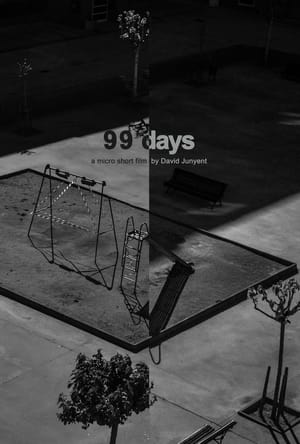
Two instants separated by 99 days conflict with each other.
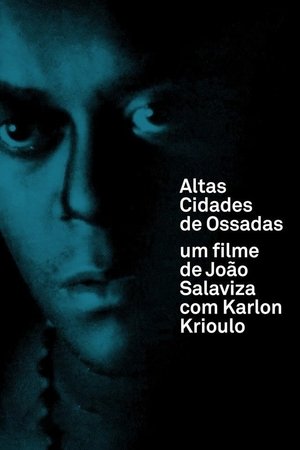
Karlon, born in Pedreira dos Húngaros (a slum in the outskirts of Lisbon) and a pioneer of Cape Verdean creole rap, runs away from the housing project to which he had been relocated.
Shots of Turin, deserted because of the pandemic, interweave with images of the movies that have been shot in the city ever since the dawn of cinematography.
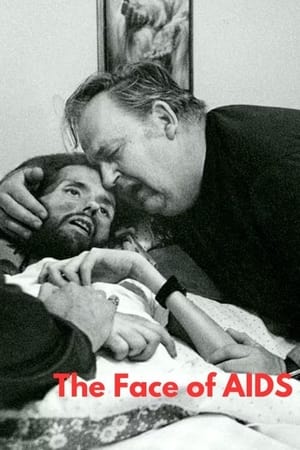
Therese Frare's photograph of the AIDS activist David Kirby on his deathbed incited international controversy when it was used in a United Colors of Benetton advertisement in 1992. This short documentary, commissioned by TIME Magazine for their series 100 Photos about the most influential photographs of all time, features photographer Therese Frare, former Benetton Creative Director Oliviero Toscani, and the artists and AIDS activists Tom Kalin and Marlene McCarthy.
Eleven major film makers from Europe, America and Asia talk about Akira Kurosawa and discover surprising influences on their own work.
In March 1982, Rádio Fluminense FM, known as MALDITA, airs in Niterói, which with irreverence, boldness and creativity in programming, breaks with the standardized foreign music markets and begins the so-called Rock 80 generation.
A lyrical journey through the heart of Chicano culture as reflected in the love songs of the Tex-Mex Norteña music tradition. Performers include, Little Joe & La Familia, Leo Garza, Chavela Ortiz, Andres Berlanga, Ricardo Mejia, Conjunto Tamaulipas, Chavela y Brown Express and more.
An investigation about human intervention in nature, from the subjective point of view of the camera, the environment and its transformation are observed.
JEWS excavates a lost world of manners and ritual in home movies shot by several Chicago families from the 1920s through the 1940s. Much as in similar found footage soliloquies by Péter Forgács, Jay Rosenblatt and Ken Jacobs, director Roger Deutsch wrings unexpected pathos from mundane traces of the past. Children mug for the camera with dances of the day, upright mothers march their strollers up the avenue, men smoke, the family gathers around the table to light the candles. The bare title cannot help but raise the specter of contemporaneous events in Europe, lending an extra degree of urgency to the film's meditation on disappearance. - Max Goldberg
Documentary about four Chinese lesbian women who seek contract marriages with gay men, and form of their lesbian and gay community and fulfill their desires.
Interviews in a big Parisian hotel with actresses who had their hour of glory. These former movie stars each describe the character who made them famous and tell what they became.
A verlan discussion in a cafe between two young people about a motorbike and girls.
A lyrical recreation of Lightnin’ Hopkins’ decision at age eight to stop chopping cotton and start singing for a living. Preserved by the Academy Film Archive in 2013.
Bir Kısa Filmin Öyküsü
Teng and Mai seek temporary refuge inside a shelter for pregnant women and girls. Mai, unlike Teng, is not a first time mother. She went to Manila to work as housekeeper after her passport was faked by the agency that’s supposed to help her get a job abroad. On the other hand, Teng left Negros Occidental without her father’s consent. Her eagerness to provide for her family was driven by her mother who abandoned them. Their personal dilemma led them to a shelter where they receive proper care as they prepare for motherhood. Now that their stay has come to an end, they are bound to make the hardest decisions of their lives not just as daughters to their parents but as mothers to their babies.
Η Ακρόπολη σε... τροχούς