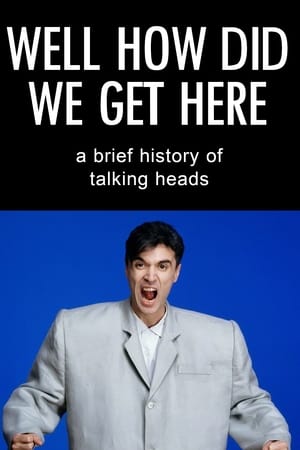
A brief history of Talking Heads (and how they got here!)
Documentary about the connection between the three Giallo-esque Spaghetti Western films "KIller Caliber .32", "Killer Adios" and "The Price of Death".
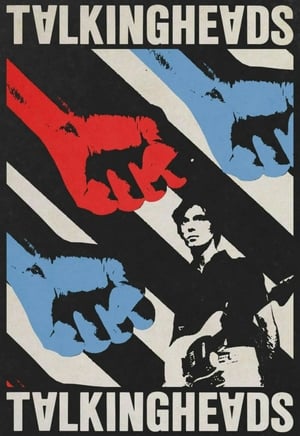
In 1984, David Byrne put together a TV special on the Talking Heads for U.K. TV’s Channel 4, a 68-minute mix of live material filmed at Wembley Arena, interviews with the band, TV news clips, commercials and other various bits of found footage and sound.
Documentary about Mario Bava's film "The Girl Who Knew Too Much" and its impact on the Giallo genre.
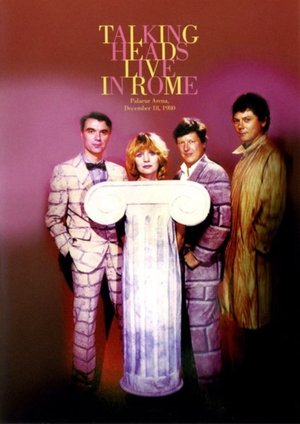
On December 18, 1980, the American rock band Talking Heads, with guest guitarist Adrian Belew, delivered a fantastic performance at Palaeur Arena in Rome that was filmed for broadcast on Italian TV. Taking place just two months after the release of Remain In Light, that night’s set was heavy on material from that album such as Born Under Punches, Crosseyed and Painless and The Great Curve.
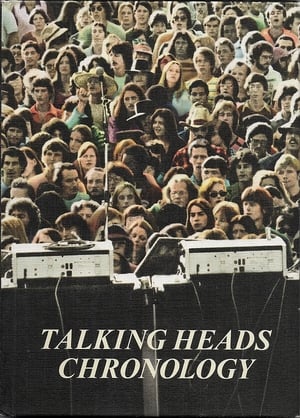
Chronology pulls together live performances from across Talking Heads' career. It starts with their earliest days at CBGB and The Kitchen in New York City in the mid-seventies, through their breakthrough years in the late seventies and on to global success in the eighties. They completed their last tour in 1983 although they would continue to make very successful albums throughout the eighties before officially breaking up in 1991. The DVD concludes with their "reunion" performance of "Life During Wartime" on their induction into the Rock `n' Roll Hall Of Fame in 2002.
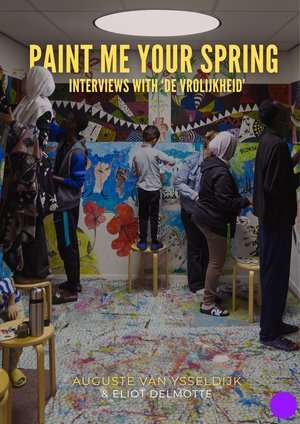
A talking heads documentary about young asylum seekers in the Netherlands, given space to express themselves through art. From poetry and rap to DJing and photography, it follows Auguste as he observes moments where language barriers are broken through the connections that creativity makes possible. Volunteers and organizers also reflect on what it means to create together, to share fragments of identity, to find recognition, and to make life in the asylum center a little more bearable.
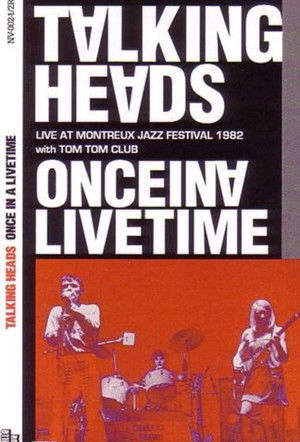
Talking Heads perform at the Montreux Jazz Festival in Switzerland on July 9, 1982. Originally broadcast on Swiss TV and radio.
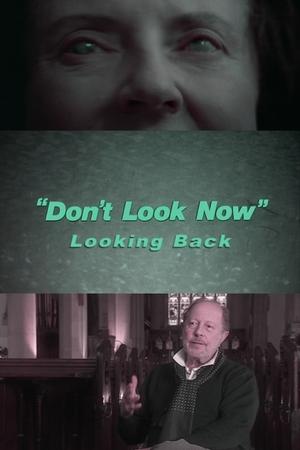
In this short making-of documentary, director Nicolas Roeg discusses the production history of the film and the unique qualities of Daphne Du Maurier's story that inspired it, while director of photography Anthony B. Richmond explains the significance of specific scenes, including the notorious sex scene, and how they were shot. Editor Graeme Clifford also discusses his contribution to the film.
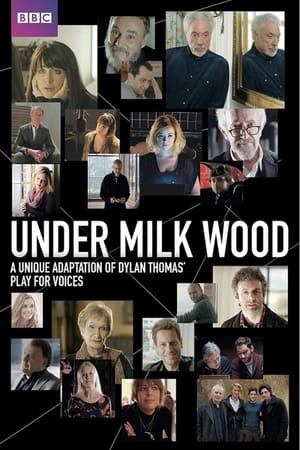
An all star cast unite to perform a distinctive BBC Wales Television adaptation of Dylan Thomas's radio play, presented in collaboration with National Theatre Wales, to mark the centenary of Dylan Thomas' birth. The plot reveals the innermost thoughts of the residents of the small, Welsh fishing village Llareggub as it delves into the dreams of various townspeople including blind sailor Captain Cat, who is haunted by visions of drowned shipmates, Mog Edwards and Myfanwy Price, who dream of each other, and Mrs. Ogmore Pritchard, who dreams of her former husbands.
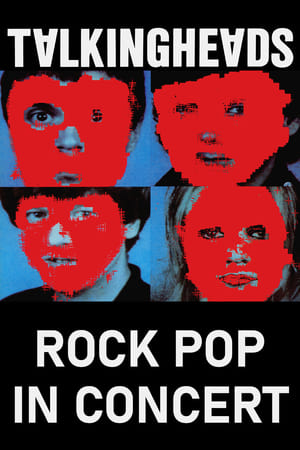
Adrian Belew augments the band on this 50-minute performance from the Westfalenhalle, in Dortmund, Germany, on December 20th, 1980, for the Rockpop TV show. Set List: Psycho Killer Cities I Zimbra Once In A Lifetime Animals Crosseyed And Painless Life During Wartime The Great Curve
Rare concert footage of Talking Heads performing their legendary Remain in Light set at Passiac, New Jersey's Capitol Theatre on November 4, 1980.
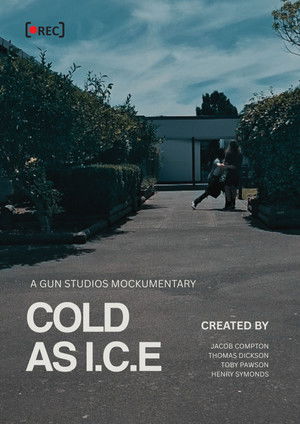
After legal U.S citizen Joey Mexico is shot and arrested by I.C.E, conflicting narratives on the incident spark severe controversy.
A documentary chronicling the pioneering efforts of black filmmaker William D. Foster in the early years of the industry and Oscar Micheaux's controversial impact on the subsequent "race movies".
This is a documentary centered on traditional Japanese patterns. To capture the unique sensibility of the Japanese people, the film features 170 kimono fabrics from the Muromachi to Edo periods, along with over 1,000 family crests that have been passed down through generations. These elements are presented using avant-garde visual techniques. Viewed from a modern perspective, the film transforms the exceptional patterns created by the Japanese in the past into a completely new illustrated scroll. The entire documentary contains no narration, relying solely on visuals and music to convey its message.
This documentary explores the impact and life of one of the most internationally recognized Chilean scientists, an inspiring human being who at his 90 years is more lively than ever.
An amateur silent film documenting the effects of German bombing raids on the city and the docks in May 1941. Liverpool landmarks glimpsed include the Royal Liver Building, Mersey Docks, Our Lady and St Nicholas Church, St Luke's Tower, Derby Square, Haymarket and Lewis's department store.
Striking workers in one Chicago unemployment compensation office talk about working conditions that led to a walkout in July, 1975. Workers and claimants suggest possible solutions to the problems of understaffing and compulsory overtime. This tape was used to organize other offices to support the strike.
A village in Brittany. During the ten days leading up to All Souls Day, we can see it in its entirety "inhabiting" the cemetery, going from gravestone to gravestone for the rituals of cleaning, flowering and praying. Telling its story through its faces, its voices and its ambulations.
Shakespeare's 'King Lear' travelling on the dusty and risky roads to the remotest forgotten villages in the mountains of Turkey where even drinking water can hardly reach, turns delicately into 'Queen Lear' in the hands of a peasant-women theatre group. In the early 2000s, a handful of peasant women from the mountains of southern Turkey formed a theater group, which later became the subject of the documentary, The Play. The women acted out their own life stories in the village, and the play changed their lives. Now, they take to the road with an adaptation of Shakespeare's King Lear, traveling the dusty, dangerous roads to the farthest-flung mountain villages where there isn't even running water. On the road, their lives merge with the world of King Lear and become bound up with "the good and the bad", "the young and the old", "the rich and the poor", "the honest and the dishonest" of the play.