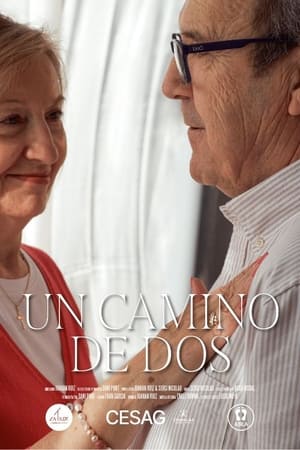
Segismundo Morey has spent his last few years facing the challenges imposed by Andrade’s rare disease. This medical condition, which affects his nervous and muscular system, has left a deep mark on his daily life and that of those around him. Over the years, Segismundo has had to overcome physical and emotional obstacles, dealing with difficulties in walking and moving normally. However, despite the constant challenges, he has found comfort and strength in the unconditional love and support of his family. Together, they have faced the adversities of Andrade’s disease, forming an indestructible bond that has been key in their shared journey.
After discovering their child's life-altering sensitivity to synthetic dyes, parents and first-time filmmakers set out to uncover the impacts of these additives. They journey to meet with the world's leading synthetic dye experts, conducting in-person interviews with scientists, researchers, and impacted families. This exploration reveals a series of shocking stories and surprising discoveries.
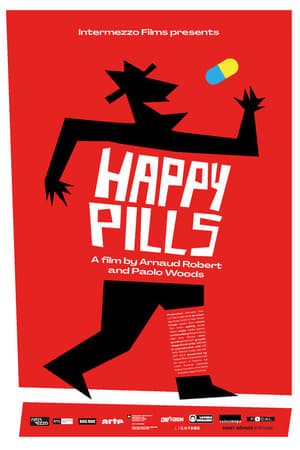
A journey through six different countries and characters into a world where chemistry is the ultimate response to human pursuits of well-being.
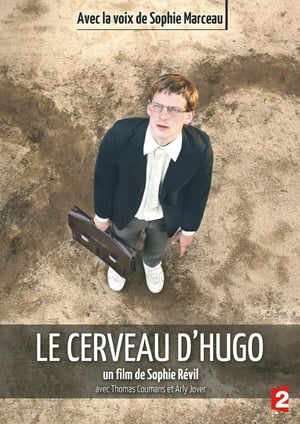
The Hugo's Brain is a French documentary-drama about autism. The documentary crosses authentic autistic stories with a fiction story about the life of an autistic (Hugo), from childhood to adulthood, portraying his difficulties and his handicap.
This report was broadcast on ARD in 1993. In 43 minutes, the development of psychiatry "in the third year after reunification" is shown using two institutions in the new federal states as examples. A touchstone for all of psychiatry and disability care to this day. The film shows a shocking way in which disabled people are treated. The commentary uses the perspective of those affected. 50 years after euthanasia in Germany, this documentary reminds us of this once again.
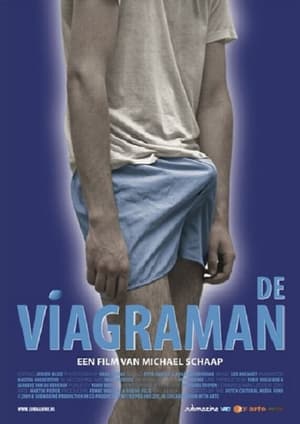
Narrator and director Michael Schaap's confessional style and general goofiness bring levity to an awkward topic: "erectile dysfunction" and the little blue pill that treats it.
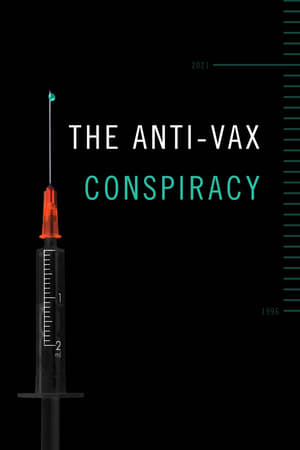
Who are the people behind the international anti-Covid-vaccine movement and why are they doing it? This journey inside the astonishing world of the anti-vaxxers finds out.
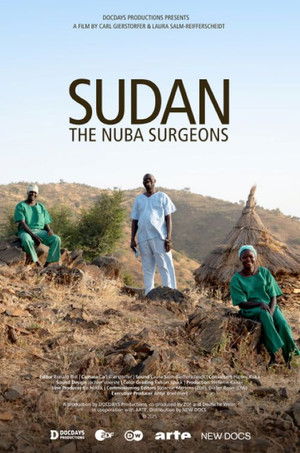
Sudan: Ein Krankenhaus im Schatten des Krieges
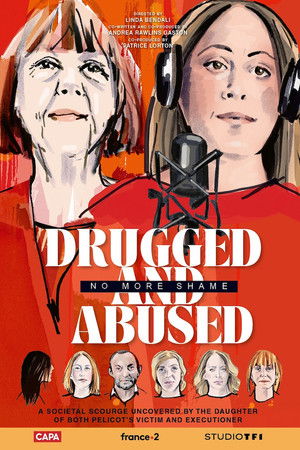
Caroline Darian, Gisèle Pelicot's daughter, looks back on the tragedy that shook her family: for ten years, her father drugged her mother to subject her to rapes committed by strangers recruited on the Internet. This case exposes the scandal of chemical submission, a practice where attackers, generally close to the victims, use prescription or over-the-counter medications to commit their crimes. This phenomenon, far from being marginal, affects victims with varied profiles...
A short documentary on jazz trombonist, Ryan Porter.
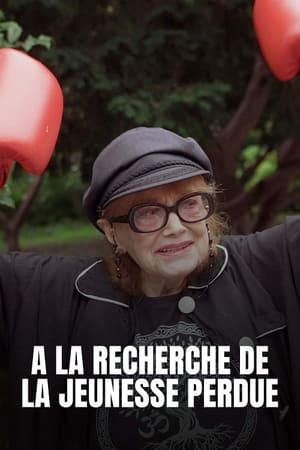
What if science could reverse the aging process? Follow the researchers as they decipher these mechanisms, with the promise of finding the elixir of youth so you can live longer, healthier lives!
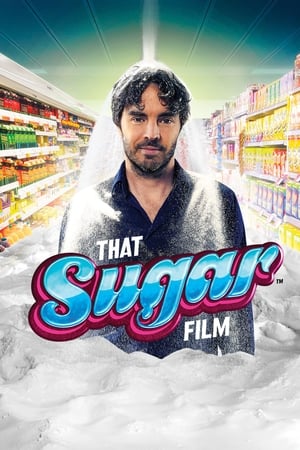
One man's journey to discover the bitter truth about sugar. Damon Gameau embarks on a unique experiment to document the effects of a high sugar diet on a healthy body, consuming only foods that are commonly perceived as 'healthy'. Through this entertaining and informative journey, Damon highlights some of the issues that plague the sugar industry, and where sugar lurks on supermarket shelves.
The daughters of Title IX discover that pervasive gender-based stereotypes and discrimination persist within the high stakes professional world of surgery - a workplace designed for and and still controlled by men. Since 2003, half of medical students in the US have been women. Women remain in the minority in most surgical fields but their proportion is increasing. Leadership and culture in surgery remain disproportionately and persistently male despite ample evidence that women are just as good (and possibly better) at delivering care. Systemic barriers to success for women surgeons must be confronted and addressed for the surgical workforce to stay healthy and for patients to stay safe. We’ve interviewed dozens of surgeons who are women about their experiences, hopes, dreams and careers. This is a group of extraordinarily dedicated physicians who work every day to improve the health and lives of others despite untold challenges.
Three individuals describe their unique ways of coping with everyday stress, anxiety, and mental health. A narrative short film presented as documentary-style interviews, exploring the honest, messy reality of coping mechanisms and neurodivergent life.
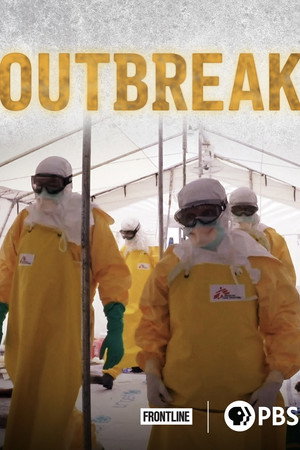
FRONTLINE spent months on the ground in West Africa, tracing the Ebola outbreak’s path through Guinea, Sierra Leone and Liberia in 2014 and 2015 and uncovering the hidden story of what happened before the world started paying attention. The documentary shared firsthand accounts from survivors and victims’ family members — from the forest region of Guinea to the bustling Liberian capital of Monrovia — including the father of a one-year-old Guinean child who was believed to be the first person to die in the outbreak.
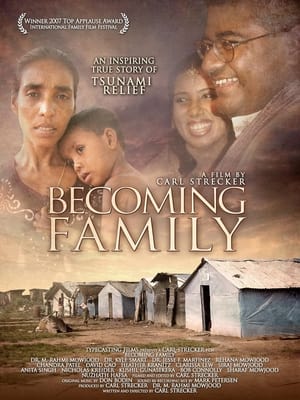
Six months after a tsunami hit South Asia on December 26, 2004, Muslim-American and Sri Lankan-born Dr. M. Rahmi Mowjood led a team of American doctors and medical students on a relief trip. While mentoring medical students and aiding injured villagers, Dr. Mowjood also finds a way to ask someone to become a member of his own family.
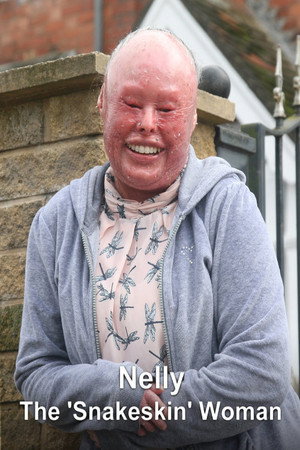
At just 32 years old, Nelly Shaheen has defied odds to become the world's oldest known survivor of Harlequin Ichthyosis, a painful condition which causes her skin to grow ten times faster than normal. In this heartfelt documentary, we follow Nelly as she battles to live a normal life in the face of extreme adversity.
Documentary revealing the science behind why so many people find it difficult to nod off, and offering practical tips on the best ways to get a good night's sleep.
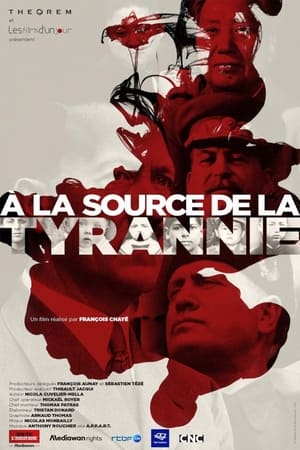
Through the youthful portraits of some of the most terrible dictators of the 20th and 21st centuries, this documentary examines the origins of tyranny. Is a dictator the product of a family, social and historical context?
Excessive talking, fidgeting, or squirming. Often loses things. Difficulty remaining seated, playing quietly, or sustaining attention. Sound like your child? The American Psychiatric Association's Diagnostic and Statistical Manual of Mental Disorders (DSM-IV) lists these as the symptoms of Attention Deficit Disorder (ADD), or Attention Deficit/Hyperactivity Disorder (ADHD). Once diagnosed, these behaviors would make your child a candidate for Ritalin, Prozac, or both. In this investigative documentary, acclaimed public health advocate and filmmaker Gary Null examines the increasingly common practice of prescribing psychotropic drugs for children, including preschoolers as young as age 2 to 4, who have been diagnosed with ADD, or ADHD. Psychiatrists may write these prescriptions without first exploring other causes or aggravating factors, like diet, or environment, and without making it clear to parents that these medications can have severe side-effects...