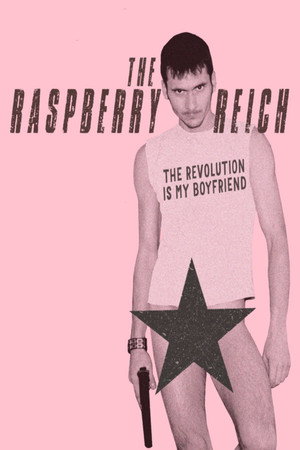
Gudrun has modeled her amateur German terrorist group after the 1970s Red Army Faction (Baader-Meinhof Gang). She attempts to imitate her heroes by kidnapping the son of a wealthy industrialist and hopes to negotiate leftist demands from the father. When Gudrun’s not spouting leftist verses (including during a hilariously brilliant fuck session), she’s trying to convince her all-male gang to abandon their heterosexuality, which she believes is the result of mass delusion.
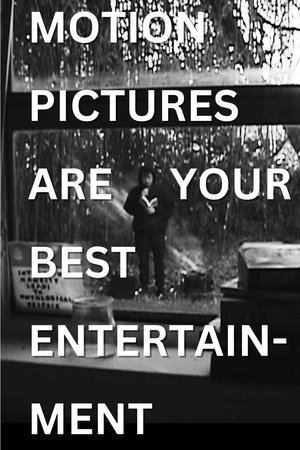
Television was invented as a result of scientific and technical research. Its power as a medium of news and entertainment altered all preceding media of news and entertainment
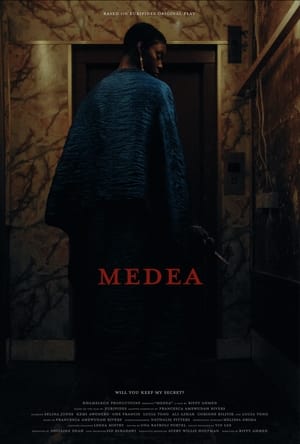
After escaping from her homeland and now abandoned by the man she loves, Medea must find strength from within to fight against growing injustice - how far is she willing to go?
An experimental media installation of three windows exploring fragments of liminality. Three unique re-constructions of experiential instances volumising the cataclysms of thresholds. Experience the absence of definition, the absence of boundaries set and the absence of rationale. A myth is not to be understood, a myth is passed on, like a game of Chinese whispers, it takes its course and ages with time, suiting the demography and tale, it warps and distorts
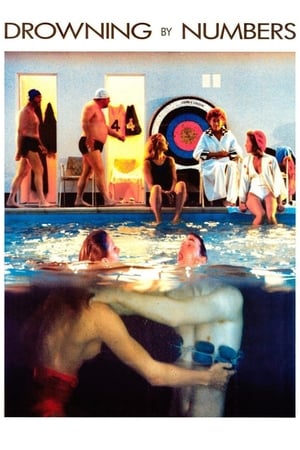
Cissie Colpitts drowns her cheating husband and, in the ensuing cover-up, enlists the help of lonely coroner Henry Madgett, an old friend with a longstanding weakness for her charms. But when Cissie's daughter and granddaughter—both also named Cissie Colpitts—decide to resort to the same methods for solving conflicts with their own frustrating husbands, the women and their repeated appeals for help begin to wear on Madgett's conscience.
"Like a Dream That Vanishes" continues Sternberg’s work in film both thematically and formally: the ephemerality of life echoed in the temporal nature of film, as the stuff of life echoed on the energy, life-force in rhythmic light pulses (Your life is like a candle burning). Imageless emulsion is inter-cut with brief shots of natural elements and mise-en-scene of the stages of human life: a little boy runs and falls; teens hang out together at night smoking; sun shines through tree branches; men pace, waiting; flashes of lightning; an elderly man speaks philosophically about miracles.
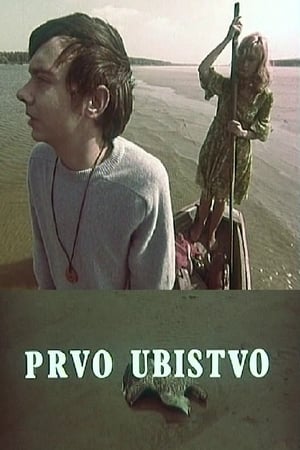
Based on the novel "Šta bi učinio Zobec?" (What Would Zobec Do?) by Svetozar Vlajković. It's a short movie about a young man who is afraid of being turned down by a girl.
Footage filmed in Spain, subjected a new visual effects process. Deslaw devoted himself to the discovery of a new machine that enabled film to be developed while using a new method called solarisation.
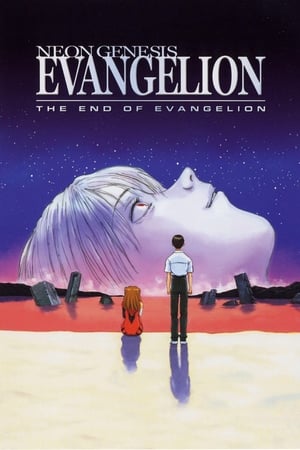
SEELE orders an all-out attack on NERV, aiming to destroy the Evas before Gendo can advance his own plans for the Human Instrumentality Project. Shinji is pushed to the limits of his sanity as he is forced to decide the fate of humanity.
Avant-garde homage to pre-revolution Russian silent movies, and to the poet Aleksandr Blok.
"This film explores how freedom of speech — including dissent — is afforded to all Americans, and shows freedom of expression in art, music, dance, architecture, and science. The film also emphasizes the importance of the individual’s contribution to the whole of society and demonstrates how a productive and creative society is formed by the open and respectful exchange of ideas. The film was written, produced, and directed by William Greaves" (National Archives).
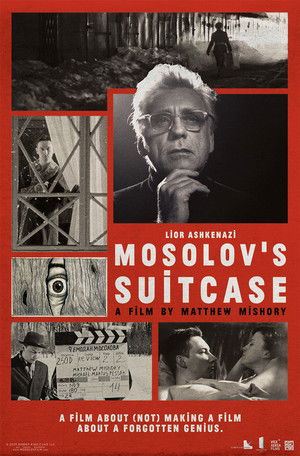
The life of Ukrainian-Soviet avant-garde composer Alexander Mosolov inspires three stories about creation and individualism in the face of state power, set against the Great Purge of the 1930s and the ongoing Russian invasion of Ukraine.
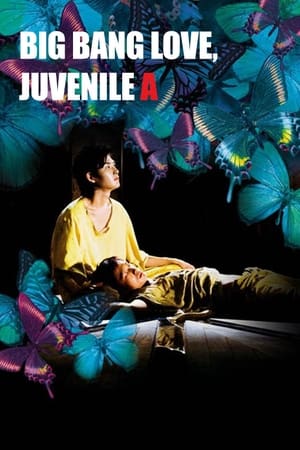
An unknown future. A boy confesses to the murder of another in an all-boy juvenile detention facility. More an exercise in style than storytelling, the story follows two detectives trying to uncover the case. Homosexual tension and explosive violence drives the story which delivers some weird and fascinating visuals.
An unseen character observes the cold, harsh world around them while listening to The Beach Boys, hidden away in the safety of their bedroom.
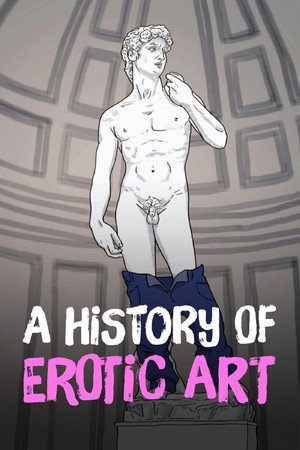
The people of Antiquity had little problem with nudity and would not find graphic depictions of sexual acts as morally suspect or obscene. But Christianity changed perspectives, bringing in notions of shame and the negation of the body. This documentary looks at the erotic in art over the last two thousand years.
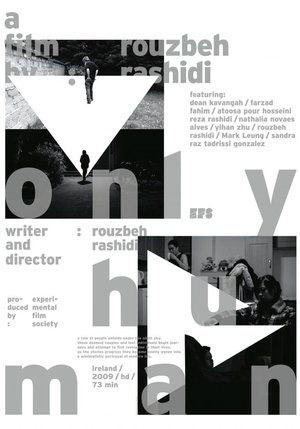
A tale of people unfolds under the night sky. These doomed couples and lost individuals begin journeys and attempt to find resolution in their lives. Love is observed from a distance, sadness is in the air. With little sympathy for the loss and destruction caused to the characters, the stories progress and become neatly woven into a minimalistic portrayal of modern life.
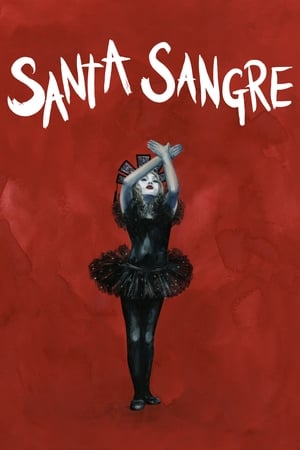
A former circus artist escapes from a mental hospital to rejoin his armless, cult leader mother, and is forced to enact brutal murders in her name.
A representation of my own memory during the course of this year, illustrated by visuals.
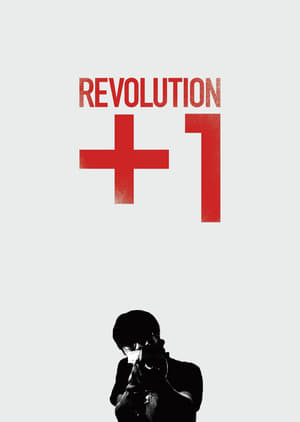
Tatsuya Kawakami's mother becomes a member of a religious group after her husband commits suicide, and makes a large donation to the organization. Her three children are forced to live in poverty, and her eldest son, who is blind in one eye due to illness, takes his own life. Kawakami comes to believe that the religious group has ruined his life, so he creates a homemade gun and carries out an assassination plot against former prime minister Shinzo Abe, who has close ties to the religious group, which has been accused of siphoning off money from its members.
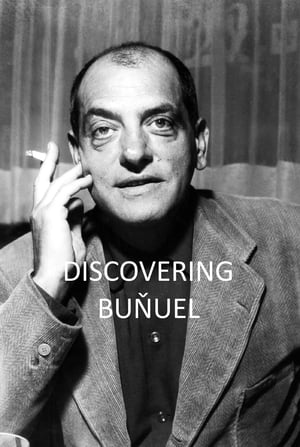
Luis Bunuel, the father of cinematic Surrealism, made his film debut with 'Un Chien Andalou' in 1929 working closely with Salvador Dali. Considered one of the finest and controversial filmmakers with, 'L’Age d’Or' (1930), attacking the church and the middle classes. He won many awards including Best Director at Cannes for 'Los Olvidados' (1950), and the coveted Palme d’Or for 'Viridiana' (1961), which had been banned in his native Spain. His career moved to France with 'The Diary of a Chambermaid' with major stars such as Jeanne Moreau and Catherine Deneuve.