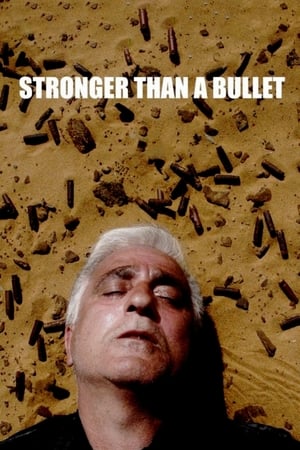
Iran, January 16th, 1979. Shah Mohammad Reza Pahlavi flees after being overthrown. Ayatollah Khomeini returns to Tehran and proclaims the Islamic Republic on April 1st, 1979. In the same year, Saddam Hussein seizes power in Iraq and, after several border skirmishes, attacks Iran on September 22nd, 1980, initiating a cruel war that will last eight years. Since its outbreak, correspondent Saeid Sadeghi documented it from its beginning to its bitter end.
Ravayat-e Fath, variously translated as The Chronicles of Victory, The Tales of Victory, The Narrative of Victory, The Narration of Victory, The Story of Victory, and Witness to Glory, was a war documentary television series directed by Morteza Avini and filmed on the front lines of the Iran–Iraq War of the 1980s.
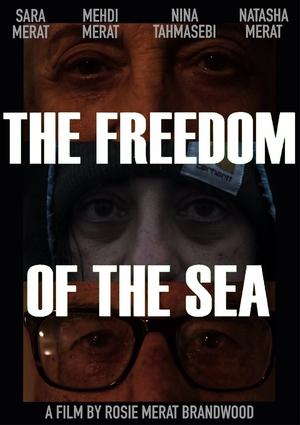
The Freedom of the Sea is a short documentary highlighting the freedom of living in the UK - in contrast to a more restrictive life in Iran - through the joy of daily sea swimming in Brighton.
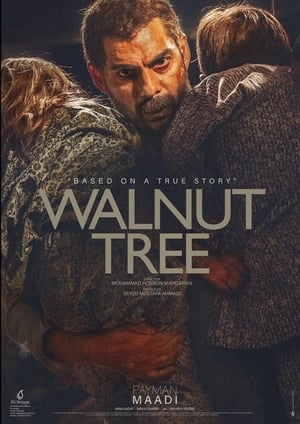
Qader, a bricklayer from Sardasht in Kurdistan Iran whose wife is pregnant with her 4th child, suddenly found himself amid a war crime perpetrated by the Saddam regime. On June 28th, 1987 Iraqi air fighters dropped mustard gas bombs on the city...
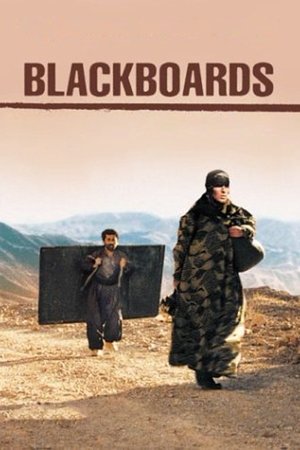
Itinerant Kurdish teachers, carrying blackboards on their backs, look for students in the hills and villages of Iran, near the Iraqi border during the Iran-Iraq war. Said falls in with a group of old men looking for their bombed-out village; he offers to guide them, and takes as his wife Halaleh, the clan's lone woman, a widow with a young son. Reeboir attaches himself to a dozen pre-teen boys weighed down by contraband they carry across the border; they're mules, always on the move. Said and Reeboir try to teach as their potential students keep walking. Danger is close; armed soldiers patrol the skies, the roads, and the border. Is there a role for a teacher? Is there hope?
All the neighbours rush dawn the basement/Shelter. So what is going to happen at this shelter? would every woman cry and scream whilst every man shivers and chews his moustache with rage and fear?.....You will be surprised!
It’s 1988 and, at the height of the Iran-Iraq War, Tehran is bombed relentlessly. The days that pass are full of foreboding, and yet, love, affection, hope and life itself manage to sweep away the fear of death from those surrounded by it. Love may often be difficult to comprehend, but death is a horrible certitude. ‘Bomb, A Love Story’ shows how, even when faced with the darkness of death, love and hope will find a way.
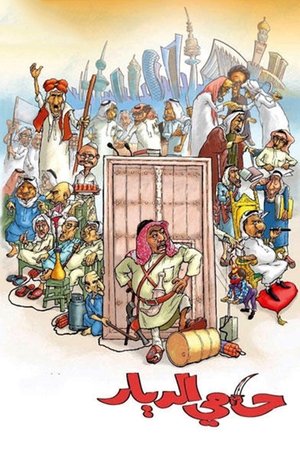
A political and social play in which the old narrator preaches and guides during the Iran-Iraq war, the bombings that occurred in Kuwait and the attempted assassination of the Emir of the State of Kuwait during that period, and the clear difference in opinions between support for stopping the war on Iran and the positions of the President of Iraq.
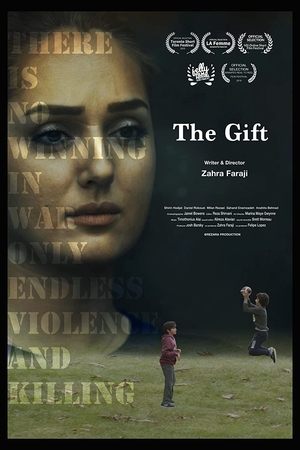
Excited to attend Fareed's birthday party, Danny finds out why his mom is concerned about this friendship. Danny has to decide between satisfying his mom or keeping the friendship.
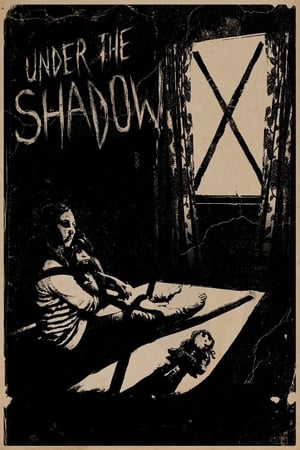
After Shideh's building is hit by a missile during the Iran-Iraq War, a superstitious neighbor suggests that the missile was cursed and might be carrying malevolent Middle-Eastern spirits. She becomes convinced a supernatural force within the building is attempting to possess her daughter Dorsa, and she has no choice but to confront these forces if she is to save her daughter and herself.
Dr. Parsa and his daughter, Bahar, are on the way to Khoramshahr to set up a specialized hospital there. It seems their cold relationship is related to this journey. Reaching there, Bahar finds a diary of a girl at her age called Maryam which was written in the same day, 30 years ago; 2 days before the first day of schools, and also the start of Iran-Iraq war! The girlish joy that Maryam describes in the first pages of the diary, the sudden invasion of enemies to their town, and finally her love story which is mentioned in the diary, motivates Bahar to continue reading it. Maryam was in love with a young intern who was working in the town's only clinic. Now Bahar thinks that the intern could be his father.
A document of Connecticut's Punk and New Wave scene captured through raw and rare archival footage and interviews with the musicians and punk scenesters who lived it as witnessed through immortal clubs like Ron's, The Grotto, and Toad's Place.
“Computational Compost” addresses the environmental impact of data storage and proposes a synergy between technology and ecology. Humans and artificial intelligence produce so much data that soon there will be no capacity to store it; we are accumulating infinite information with finite resources. The film invites reconsideration on the relationship between data storage and collective memory, highlighting the urgency of critically rethinking narratives of the digital future.
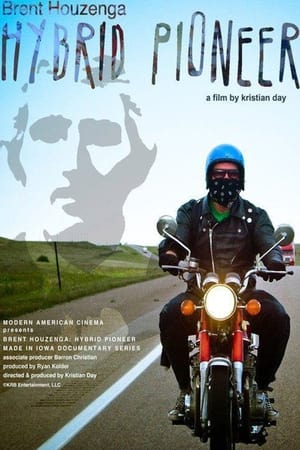
A documentary about an Iowa artist who made his career from two antique photo albums that he found in the trash. It has been four years since he originally found the two photo albums and since then he has had featured exhibits around the country. This is the first film in the MADE IN IOWA documentary series.
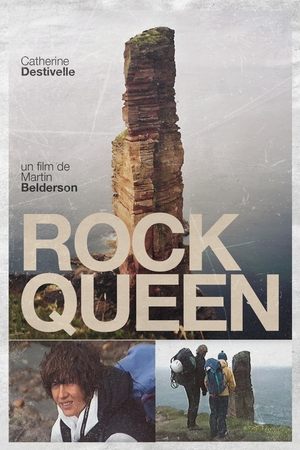
Catherine Destivelle has deservedly become the most famous female climber in the world. She rose to prominence with historic climbs, such as the free ascent of the Nameless Tower in Pakistan, and solo winter ascents of the classic north faces of the Matterhorn and the Eiger, climbs that have never been repeated by any woman. She also made history in sport climbing by winning the world championship title. In 1997, this time in Scotland, on the iconic Old Man of Hoy route, opened by Bonington, Patey & Baillie, Martin Belderson crowned Destivelle Queen of the Rock. She was four months pregnant when she made this 137-meter ascent, which was not difficult but on tricky rock.
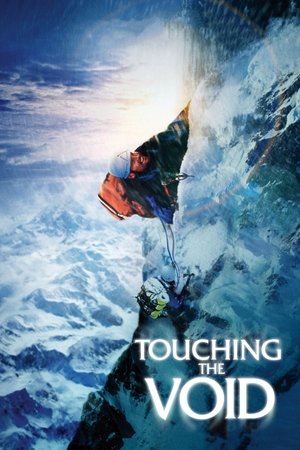
The true story of Joe Simpson and Simon Yates' disastrous and nearly-fatal mountain climb of 6,344m Siula Grande in the Cordillera Huayhuash in the Peruvian Andes in 1985.
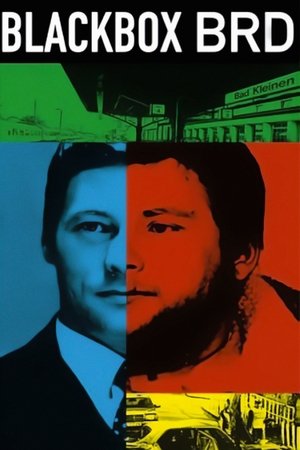
Black Box BRD steps back into German history, showing the Federal Republic of Germany of the 70s and 80s. The country is polarized due to the power struggle of the German state and the "Red Army Faction". Society is torn, the fronts are irreconcilable. The life stories of both Wolfgang Grams and Alfred Herrhausen are tragically linked to this era. Grams is the one who takes up arms for moral rigor; Herrhausen however seizes power and dies when powerful.
The film accompanies Jenny Gröllmann, a German actress, during the last two years of her life.
In May of 1982 Julio Cortázar, the Argentinean writer and his companion in life, Carol Dunlop set out in their VW bus on a journey along the highway from Paris to Marseille that, for each of them, was to be their final one. Twenty-five years later, Océane Madelaine and Jocelyn Bonnerave set out to undertake the journey again.
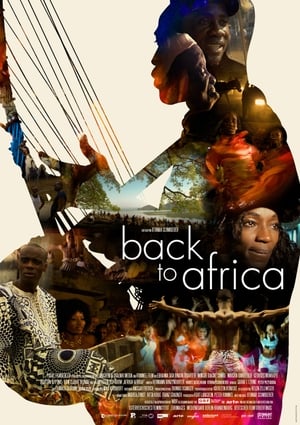
An Austrian director followed five successful African music and dance artists with his camera and followed their lives for a year. The artists, from villages in Ghana, Gambia and Congo, were the subjects of Africa! Africa! touring across Europe, but they have unbreakable roots to their homeland and their families. Schmiderer lovingly portrays his heroes, who tell their stories about themselves, their art and what it means to them to be African with captivating honesty. The interviews are interwoven with dance scenes and colourful vignettes set to authentic music.