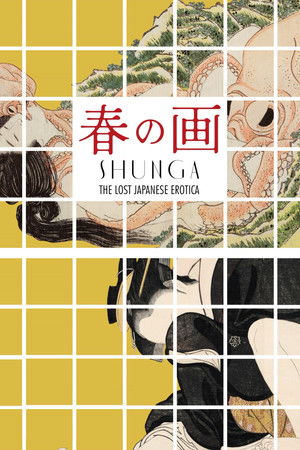
In the foundation of the culture of Japanese MANGA and animation, there lies the humor filled art form, shunga. Shunga is a type of Japanese art by famous ukiyo-e artists of the Edo Period, such as Utamaro, Hokusai, and Kiyonaga, but the artform’s development was thwarted by social norms that tabooed sex. The film Introduces the world of shunga through enthusiasts - collectors, curators, and scholars, including Andrew Gerstle who inspired The British Museum’s historical shunga exhibition in 2013 and Michael Fornitz who owns an auction house in Denmark. Exploring the significance of shunga by analyzing it from historical, cultural, artistic and contemporary female points of view.
This chronicle of the Christchurch Commonwealth Games marked one of the National Film Unit's most ambitious productions. Though a range of events (including famous runs by John Walker and Dick Tayler), are covered, the film often bypasses the pomp and glory approach; instead it dares to talk to the injured and mention that most competitors lose. The closing ceremonies of the "friendly games" feature the athletes gathering to — as the official song's chorus put it — "join together". Four directors joined together to work on it: Arthur Everard, John King, Paul Maunder and Sam Pillsbury.
This is a 1991 documentary film about the legendary artist and filmmaker, Joseph Cornell, who made those magnificent and strange collage boxes. He was also one of our great experimental filmmakers and once apparently made Salvador Dali extremely jealous at a screening of his masterpiece, Rose Hobart. In this film we get to hear people like Susan Sontag, Stan Brakhage, and Tony Curtis talk about their friendships with the artist. It turns out that Curtis was quite a collector and he seemed to have a very deep understanding of what Cornell was doing in his work.
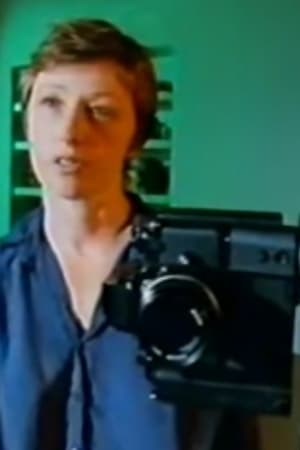
New York based artist, Cindy Sherman, is famous for her photographs of women in which she is not only the photographer, but also the subject. She has contributed her own footage to the programme by recording her studio and herself at work with her Hi-8 video camera. It reveals a range of unexpected sources from visceral horror to medical catalogues and exploitation movies, and explores her real interests and enthusiasms. She shows an intuitive and often humorous approach to her work, and reflects on the themes of her work since the late 1970s. She talks about her pivotal series known as the `Sex Pictures' in which she addresses the theme of sexuality in the light of AIDS and the arts censorship debate in the United States.
Semi-Biographical film documenting the life of The Reverend Wilbert Awdry, creator of the beloved Thomas The tank Engine Stories
Based on home movies shot on Super 8mm film, A Family Film places the mother at its center as the narrator while tracing the memories of a family living in Istanbul in the 70s.
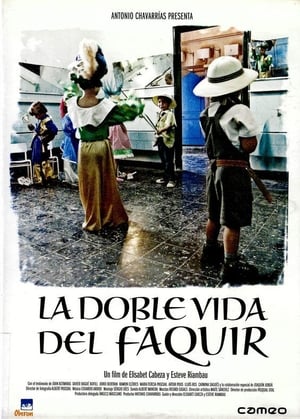
La doble vida del faquir (The magicians) returns to the scene of a school in the Catalan town of Sant Julià de Vilatorta where, in 1937, in the midst of civil war, a film-maker in hiding and a group of orphaned children dressed up as sultans and explorers shot an exotic adventure film. The films protagonists relive those childhood days when they were able to switch their school smocks for oriental turbans, while reality imposed its own fancy dress ball with military uniforms and priests dressed in civilian garb.
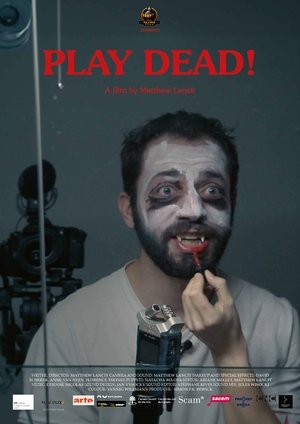
If there is one person Matthew Lancit can’t get out of his mind, it is his uncle Harvey. Dark rings around his eyes, pale, blind, his legs amputated. Like Harvey, the filmmaker also suffers from diabetes. He has the disease under control, but one question is always nagging at him: How much longer? His long-term (self-)observation reliably revolves around fears of infirmity and mutilation. He translates the feared body horror into film, stages himself as a zombie, vampire, a desolate figure. Lancit playfully anticipates his potential decline, serving up a whole arsenal of effects which – as video recordings prove – go back to his youth. It is not for nothing that the “dead” in the title is also reminiscent of “dad.” Because “Play Dead!” also negotiates his own role as a father.
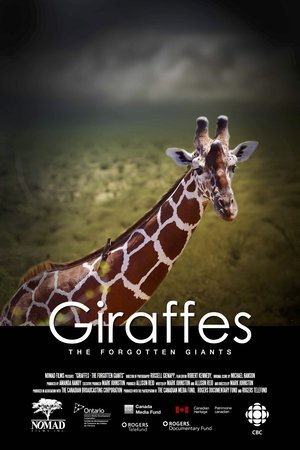
"Giraffes: The Forgotten Giants" delves into the reasons behind the "silent" extinction of giraffes worldwide, and introduces us to the scientists who are gathering new information that may stave off their decline.
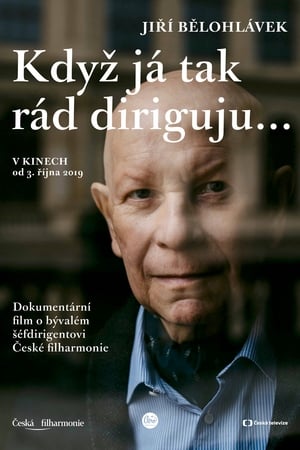
Jiří Bělohlávek: But I just love conducting so much
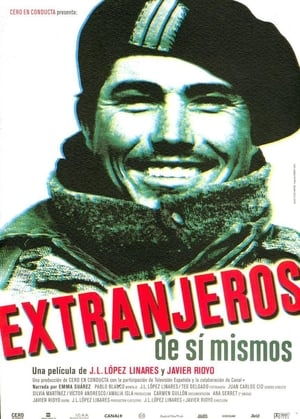
Extranjeros de sí mismos
A short behind the scenes documentary showing the creation of the short claymation film The Genie in a Ravioli Can (Le génie de la boîte de raviolis).
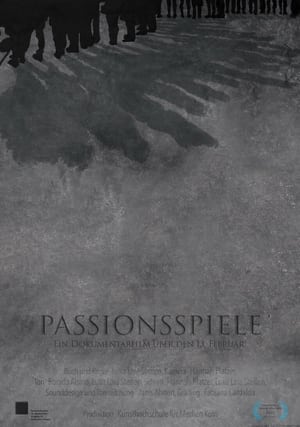
An annual battle of Dresden’s culture of commemoration and the question of authority to interpret history breaks out.
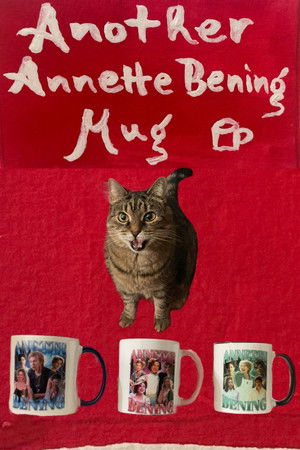
A video diary from Xmas 2023 New Years to awards season, the filmmaker's personal cinema, and a tribute/time capsule of their cat Fox, their movie-loving friends and film community of Portland, and the actresses they love -- with Annette Bening's Nyad Oscar campaign as its political backdrop.
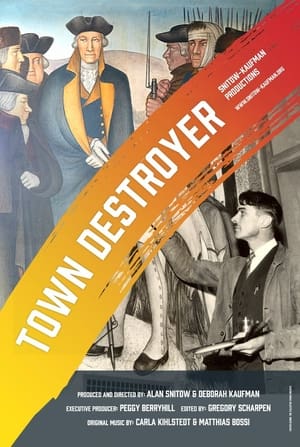
Controversy erupts over a New-Deal-era mural of the namesake of San Francisco’s George Washington High School. The thirteen-panel artwork "The Life of Washington" by Victor Arnautoff offers a view of the Founding Father both celebratory and critical, referencing his involvements in slavery and Native American genocide.
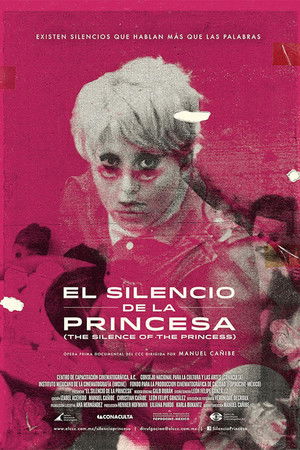
Diana Mariscal reached a moment of fame in the sixties, when at just 18 years of age she was the lead actress of the movie Fando and Lis by Alejandro Jodorowsky. The moment seemed to trigger a promising career, but her public image faded little by little until disappearing. Forty years later the traces of her existence have not been entirely erased.
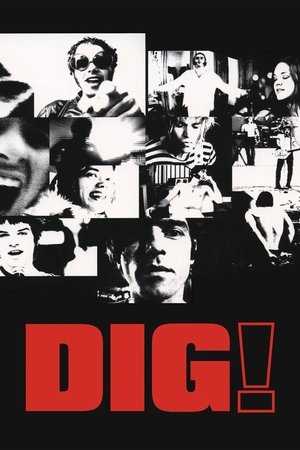
A documentary on the once promising American rock bands The Brian Jonestown Massacre and The Dandy Warhols. The friendship between respective founders, Anton Newcombe and Courtney Taylor, escalated into bitter rivalry as the Dandy Warhols garnered major international success while the Brian Jonestown Massacre imploded in a haze of drugs.
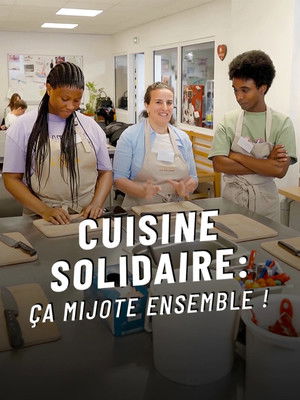
In France, more than 10 million people of all ages are believed to rely on food aid. Faced with this reality, mutual aid initiatives are multiplying to feed, comfort, and integrate people. From lunches where everyone pitches in, to one-euro menus, workshops on how to cook healthily and cheaply, and dinners prepared by Michelin-starred chefs, solidarity kitchens are multiplying in France.
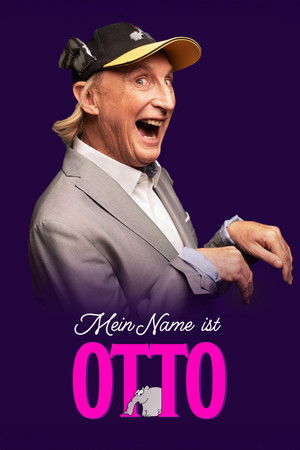
The film tells the fairytale story of a scrawny East Frisian who, despite minimal starting opportunities, has had a unique career. Otto has always trusted his gut feeling, even when he often faced challenges that threatened to jeopardize his career. My Name is Otto shows comical moments and emotional high points, but also addresses the fears of a man who to this day firmly believes that his lucky streak could one day end.
In 1974 a group of Mohawk Indians occupied a defunct girls camp in New York's Adirondack mountains and established a community they called Ganienkeh. Aiming to practice a more traditional lifestyle, and asserting aboriginal title to the land, they stayed for three years, having occasional violent clashes with the local residents. In 1977 they negotiated a (somewhat complicated) land swap with the State, and agreed to move to a permanent home near Plattsburgh, New York, where they remain today. Ganienkeh is one of the only examples of an indigenous people successfully reclaiming land from the United States, but it may not be the last.