The Black Contribution – Literature and Theater 1978 is a rare documentary highlighting the voices and cultural impact of African American writers and performers during the civil rights era. Introduced by NAACP leader Benjamin Hooks and narrated by Roscoe Lee Brown, the film weaves together dramatic readings, theatrical excerpts, and candid urban street footage. Margaret Walker’s poem For My People is performed alongside scenes of daily Black life in New York City — children playing, families on stoops, open fire hydrants, and the realities of poverty in 1970s neighborhoods. James Baldwin appears in interview footage, while signs for his play The Amen Corner and stage excerpts from Lorraine Hansberry’s A Raisin in the Sun underscore the powerful presence of Black voices in American theater. With rare shots of Harlem life, literature, and performance, this film documents the enduring contributions of African American artists to U.S. culture and history.
Chris Colombo, 44, the son of slain mob boss Joseph Colombo, is on home confinement while he's out on bail for federal racketeering charges. The film follows Colombo on some unsavory outings when he is supposed to be on family outings or running errands.
Xiara Trujillo is a precocious seven-year-old who moved from the Bronx to Maryland with her mom, Aracelli Guzman, four years ago. Though she seems happy hanging out and playing with her pal Melissa, Xiara becomes defensive and emotional when talking about her father, Harold Linares. As we see and learn, Harold is in jail serving a ten-year sentence for weapons possession; Xiara seems to blame his incarceration on her mother, whom she says "kept calling the police." Xiara, who has always been extremely close to her father, acts out with her mother.
A visual journey into the life and legacy of one of Australia's most celebrated artists, Brett Whiteley.
There are thousands of comedians in New York City, performing every night, working hard for laughs from the world's toughest audience. What happens to them when the city that never sleeps grinds to a halt? When the comedy clubs close and no one is laughing? "Back At It" is a chronicle of the tumultuous summer of 2020 in New York, through the eyes of a diverse group of comedians who hustle to keep their comedy alive and to stand out from the throng. It follows them as they take to the streets, rooftops, and parks to entertain a city ravaged by the Covid-19 pandemic. It asks how the art of standup changes when the traditional systems and established hierarchy no longer exist? Who will evolve and raise their voice?
Kristina, a self-named Hungarian female lion tamer, arrives in New York to become a dance choreographer. Kristina, now a middle-class NYC artist concerned about the environment, has a sailor lover named Raoul. The film, a collage work, an essay film, a fictional narrative and a documentary all rolled into one, is one of the most important independent American feminists films made during the 1970's.
9/11 was perhaps the defining historical event of the postwar era. Broadcast live around the world like horrifying theatre, it was a moment in history imprinted onto people's memories. But what was it like to actually live through, and how easy is it to move on from a day that society wants to go on remembering? Twenty years on, this film brings together 13 ordinary people who were caught in an event they weren't able to fully comprehend at the time and which they are still working through.
Chronicles the rise and fall of 1970s New York City nightclub Plato's Retreat.
After the 9/11 attacks, after the smoke was gone, after the rubble cleared away, New Yorkers had a city to rebuild. In response to fast-tracked redevelopment plans, more than 5,000 people gathered in the largest town hall in American history. They came to vote on the city’s six proposals for rebuilding Ground Zero. But instead, the people rejected the top down approach and successfully charted a new path forward. Their work determined what is at Ground Zero today. And their story is an example of what democracy can look like.
A film essay contrasting the modern metropolis with its "golden age" from 1830-1930, with the participation of some of New York's leading political and cultural figures. Made at a time when the city was experiencing unprecedented real estate development on the one hand and unforeseen displacement of population and deterioration on the other. Empire City is the story of two New Yorks. The film explores the precarious coexistence of the service-based midtown Manhattan corporate headquarters with the peripheral New York of undereducated minorities living in increasing alienation.
Max Gimblett: Original Mind documents the life and process of eccentric, creative genius Max Gimblett. One of New Zealand’s most successful and internationally prominent living painters, Gimblett has been working in America since 1962. The filmmakers spent a week in Gimblett’s Soho loft where he and his devoted studio assistants generously revealed the techniques and philosophy behind his beautiful art.
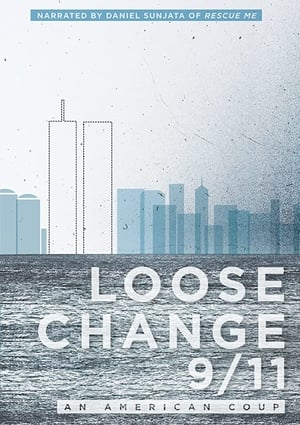
With the departure of the Bush Administration and the arrival of an “era of transparency,” opportunities are arising for the disclosure of new information that may shed more light on the events that took place before and after 9/11/2001. Loaded with powerful, new footage and in-depth interviews this documentary presents a wide array of evidence both known and unknown…until now.
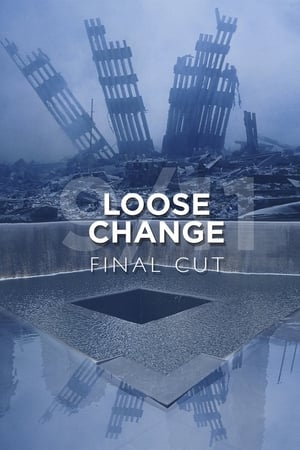
Loose Change Final Cut is the third installment of the documentary that asks the tough questions about the 9/11 attacks and related events. This movie hopes to be the catalyst for a new independent investigation, in which the family members receive answers to their questions, and the TRUE PERPETRATORS of this horrendous crime are PROSECUTED and PUNISHED.
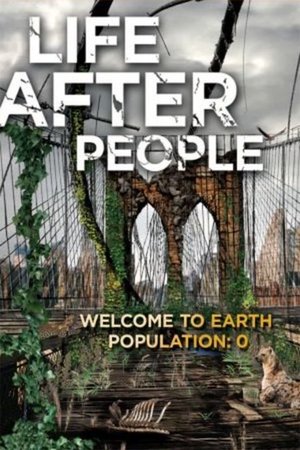
In this special documentary that inspired a two-season television series, scientists and other experts speculate about what the Earth, animal life, and plant life might be like if, suddenly, humanity no longer existed, as well as the effect humanity's disappearance might have on the artificial aspects of civilization.
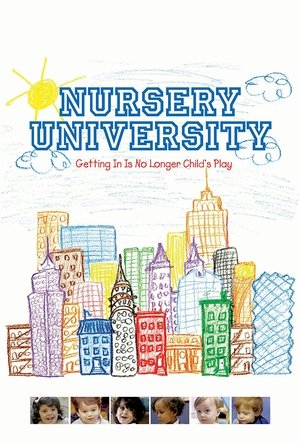
Set in New York City, the epicenter of a phenomenon cropping up in communities across the United States, "Nursery University" reveals the oddly competitive process of nursery school admissions. The film tells the story of five families attempting to place their toddlers in preschool classrooms that have limited space and high price tags.
After ex-NFL star turned soldier Pat Tillman's death is covered up by the U.S. Army, Rory Fanning is discharged from the Army for resisting a second combat tour. Back home, he walks across the country while studying the history of war resistors.
Tian Soepangat joins the U.S. Navy out of a commitment to helping others. As a Muslim, Tian is uncertain of his shipmates' attitudes toward his religion, and so he hides it. Eventually discovering he doesn't have to hide his faith, he is free to express pride in his heritage.
A collaboration between filmmaker Ayoka Chenzira and performance artist Thomas Pinnock, who performs his "immigrant folktales" using traditional lore of his native Jamaica to dramatize his migration to New York in the 60's.
Stockholm Syndrome chronicles the meteoric rise of contemporary trendsetter A$AP Rocky, capturing the exuberance of youth and urgency of hip-hop in equal parts, before taking a detour into darkness. With amazing access, the film reveals Rocky’s experience with the inequities of the Swedish judicial system and the dangers of stardom and scapegoating through a series of twists and turns, ultimately paralleling the need for prison reform in our own backyard. Directed by The Architects, the film blends archival footage with contemporary interviews, animation, and electrifying live concert footage to tell the astonishing story of how one of rap’s biggest superstars became embroiled in an international incident, leading to an unexpected political awakening.
A documentary about the confluence of Christianity and mixed martial arts, including ministries which train fighters. The film follows several pastors and popular fighters in their quest to reconcile their faith with a sport that many consider violent and barbaric. Faith is tried and questions are raised. Can you really love your neighbor as yourself and then punch him in the face?