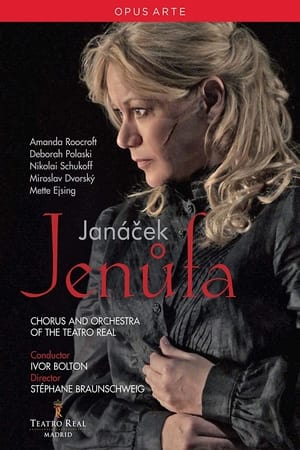
When a beautiful young woman in rural Moravia becomes unexpectedly pregnant, she learns that love is sometimes only skin-deep. Janáček took Gabriela Preissová's grim tale of infanticide and redemption, and condensed it into a masterful, spine-chilling drama. The tragic plight of the protagonists is presented with unsentimental realism that cannot help but trigger a response of deep compassion. Premiered at the National Theatre in the composer's hometown of Brno 115 years ago, the opera took him nine years to complete and is the first in which his distinctive voice can clearly be heard.
In this acoustic session, Margarita, Merlín, Daisy, Rey and the rest of the band play the songs that captured our hearts.
"Yenufa" is an outstanding phenomenon in the music of the 20th century. Drawing on Moravian folklore, Janáček faithfully and deeply conveyed the drama of a peasant girl. The composer followed the path of Mussorgsky, revealing the spiritual life of people through the recreation of intonations of living speech. The libretto is based on a drama written in a naturalistic manner. Free from naturalism, Janáček's music has powerful emotional strength and psychological truth. It was written during a difficult period in the composer's life (illness and death of his daughter).
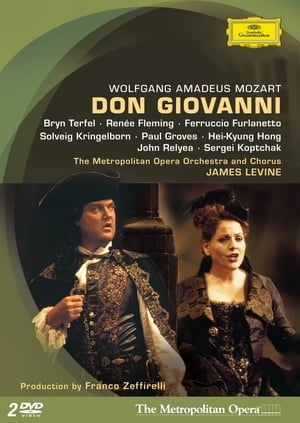
Live performance at the Metropolitan Opera in 2000.
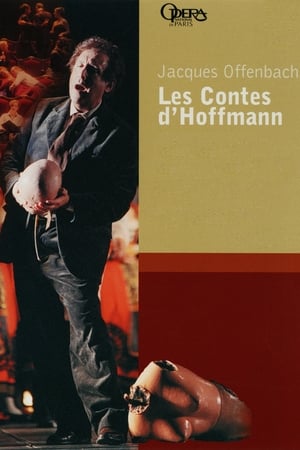
Live performance from the Opéra National de Paris, 2003.
Through ten carefully chosen cover versions that whisk us from the British Invasion to a noughties X Factor final, this film journeys over five decades to track how artists as varied as The Moody Blues, Soft Cell, Puff Daddy and Alexandra Burke have scored number 1s with their retake on someone else's song. Each of the ten classic cover versions has its own particular tale, tied not only into its musical and cultural context but also the personal testimony of the artists, producers and songwriters whose lives were changed in the process.
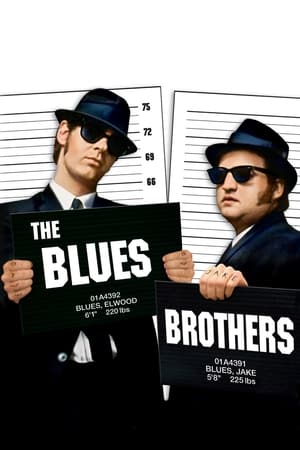
Just released from prison, Jake Blues puts his old band back together with his brother Elwood to save the Catholic home where they were raised.
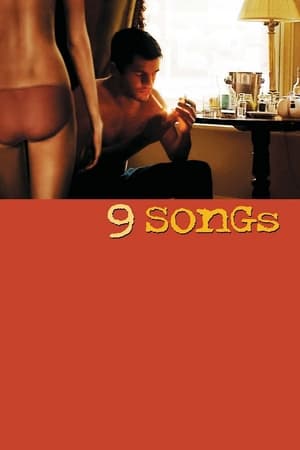
Matt, a young glaciologist, soars across the vast, silent, icebound immensities of the South Pole as he recalls his love affair with Lisa. They meet at a mobbed rock concert in a vast music hall - London's Brixton Academy. They are in bed at night's end. Together, over a period of several months, they pursue a mutual sexual passion whose inevitable stages unfold in counterpoint to nine live-concert songs.
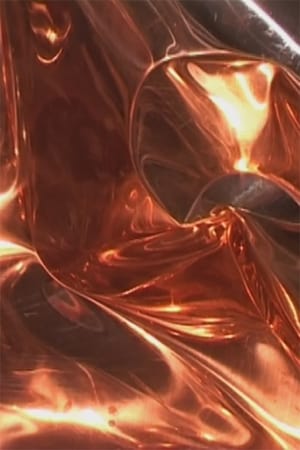
Shortly before his death, Romitelli together with his friend Paolo Pachini and the poetess Kenka Lèkovich, resurrected the dream of a total scenic art (a furnace of sensations, they called it, an_ initiation rite_) in the manner of the Futurists: rhythms and gleams of light striking metals (for the video part), poems in iron and chrome singing of fusion with matter (Kenka Lekovich), acoustic/electric music highly amplified, filtered, spatialised, in as artificial a manner as possible. An Index of Metals bears vigorous witness to this determination to go beyond: sizzling orchestration, electric and psychedelic; a voice which plays on effects, murmurs with reverb, cackles into a megaphone, screams like a pop star; and an electric guitar score of a kind that no ‘serious’ composer has ever written, sliding across an infinite range of tones with a lightness of touch and blurring of contours.
The Carnival of the Animals returns in a brand new version, directed by Gabriel Alloing, combining music, storytelling, and live visual creations. Composed by Camille Saint-Saëns in 1886, this iconic work is performed here by ten musicians from the Ensemble Est-Ouest and accompanied by original texts by Alex Vizorek, written especially for young audiences. Recorded at the Théâtre Libre in Paris's 10th arrondissement.
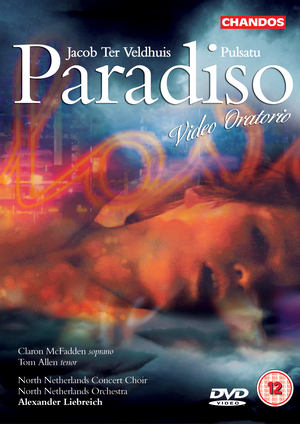
The moon landing is juxtaposed to Dante and Beatrice's journey through paradise in this visual oratorio composed by Jacob ter Veldhuis.
Disciplined Italian composer Antonio Salieri becomes consumed by jealousy and resentment towards the hedonistic and remarkably talented young Salzburger composer Wolfgang Amadeus Mozart.
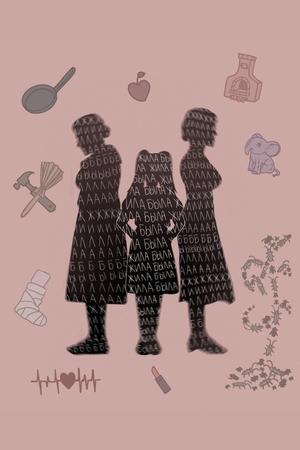
This is a fairy tale about a girl who just lived and was, and about a boy who just lived and was. You may recognize yourself in these stories, but all coincidences with real people are accidental.
Under the musical direction of Nach (Anna Chedid) , more than twenty artists gathered to celebrate Balavoine for a day in magnificent locations in Biarritz, the city where he grew up and to which he maintained lifelong ties. They all shared one thing in common: without Daniel Balavoine, they would not have become the artists they are today.
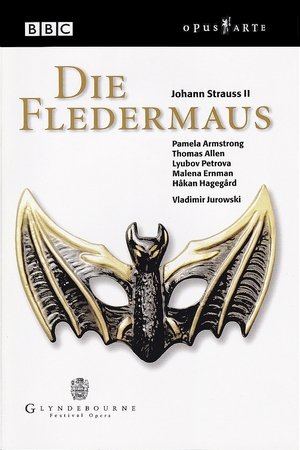
Glyndebourne's pulsating new production of the Waltz King's much-loved comic operetta. Its story centers on a magnificent masked ball, given by a Russian prince, that brings together all the main characters in various disguises. The three-act journey from boudoir to ballroom to jail provides ample opportunities for farce and humor, but also for genuine human emotion and a surprisingly realistic view of urban life.
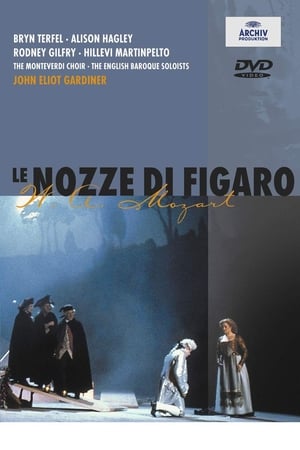
This is a good video of "Figaro", but there are a couple of better ones available. The Bohm and the Pappano are better still due to the female members of the casts. The reason for buying this one is the "Figaro", Bryn Terfel. No one can top him today in that role. John Eliot Gardiner also stands out. Many of us have voiced their opinion that If the Metropolitan Opera would release it's 1998 version, that would be the one to get.
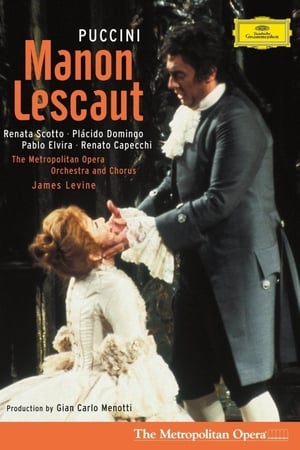
All the throbbing eroticism—and ultimate heartbreak—of Puccini’s youthful score is unleashed by James Levine and his top-flight cast. Plácido Domingo is Des Grieux, the handsome, headstrong young aristocrat who falls head over heels for the enticing, impetuous Manon Lescaut (Renata Scotto). Manon returns his love, but her obsession with luxury ruins them both. Gian Carlo Menotti’s opulent production, with sets and costumes by Desmond Heeley, superbly captures the colorful world of 18th century France.
A mockumentary about a boy band that tries to stay relevant in a world they are too old to be a part of.
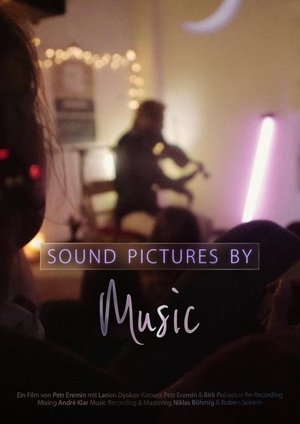
Larion Dyakov is a painter, but he doesn't use paint; instead, he "paints pictures through music." He plays the viola and connects it to a chain of various effects devices to loop his phrases and alter the original sound of his classical instrument. The result is a mixture of classical and modern ambient music that can transport you to another world and paint a new picture in your mind's eye, if you let it.
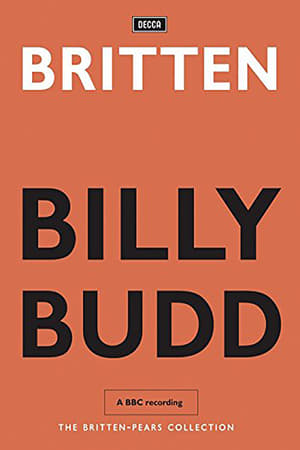
A version of Benjamin Britten's opera based on the Melville story. Will the virtuous young sailor Billy Budd be hanged for murder?