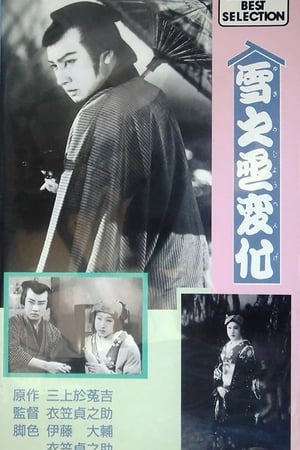
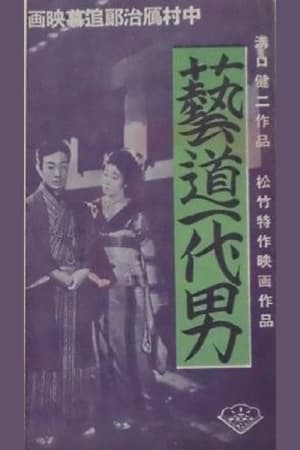
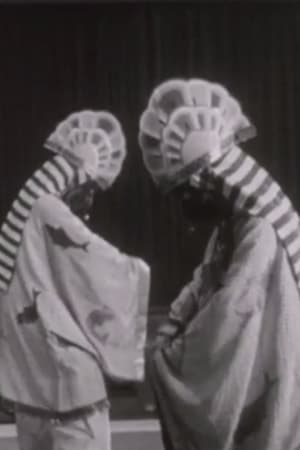
An onnagata (female impersonator) of a Kabuki troupe avenges his parents' deaths. Remade in 1963 as Yukinojô Henge.
The play "Ehon Taikōki" was originally written for the puppet theater (Bunraku) and staged for the first time in 1799 in Ōsaka at the Toyotakeza. It was adapted for Kabuki the next year by Nagawa Tokusuke I. The play consisted originally of thirteen acts, one act for each day that passed between Akechi Mitsuhide's murder of Oda Nobunaga and his death at the hand of Toyotomi Hideyoshi. The tenth act is the only one which has survived. This act tells of an incident during the battle in which Mitsuhide was finally defeated.
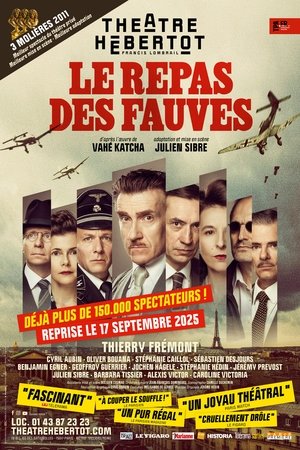
Le Repas des fauves
"Andha Yug"—literally 'Age of Blindness'—is an allegorical play written in the aftermath of the Partition of India by Shri Dharamvir Bharti. Rooted in the epic Mahabharata, this landmark 1989 Delhi performance was staged for the Nehru Shatabdi Samaroh Festival and has since been preserved by the Natya Shodh Sansthan, Kolkata (NSS). Set on the final day of the Kurukshetra war, the narrative chronicles the end of the Dvapara Yuga and the immediate descent into the dark Kali Yuga, triggered by Lord Krishna's demise. This five-act masterpiece explores the moral collapse, cycles of revenge, and psychological trauma of war. It depicts the pyrrhic reality of the Kali Yuga—the worst, shortest, and darkest of the four cosmic ages—in which recursive violence degrades the fabric of civilization, blinding individuals to reason as they are forced to reckon with the devastation's fallout.
Dramatization of the career of John Fitzgerald Kennedy.
The film documents the life and work of the renowned theatre director and visionary, Ebrahim Alkazi, featuring archival materials, personal interviews, and insights into the institutions he founded, including the National School of Drama and the Alkazi Theatre Archives.
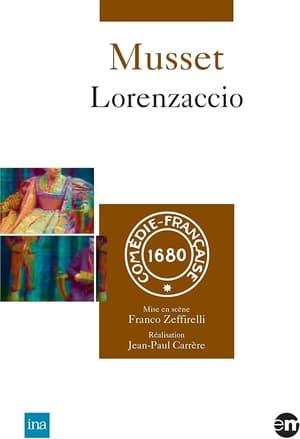
This stage play from 1977 is adapted from the well-known play "Lorenzaccio" written by French poet and playwright Alfred de Musset. Set in 16th-century Florence, the play revolves around the complex and tormented protagonist Lorenzo, known as Lorenzaccio, who faces inner conflicts as he struggles with his desire for personal freedom and the responsibility he feels towards his city. Between political corruption, morality, and the struggle for justice; the stage blends with historical drama and psychological exploration.
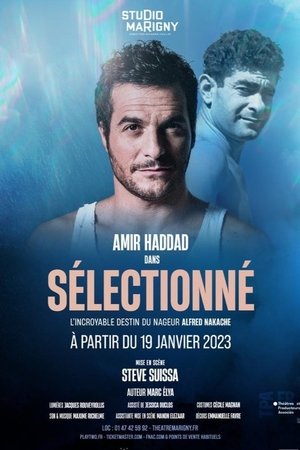
The incredible story of swimmer Alfred Nakache, played by Amir Haddad. Alfred Nakache is one of those modern-day heroes whose story is little known. Born in Constantine and raised in Toulouse, he was France's best swimmer in the 1940s. Arrested by the Gestapo and then deported, he swam in the unsanitary pools of Auschwitz, from which his wife and daughter never returned. In their memory, this survivor of horror picked himself up and resumed competition until he regained his title as French Champion and once again represented his country at the Olympic Games. Filmed at Studio Marigny at the Théâtre Marigny in Paris's 8th arrondissement.
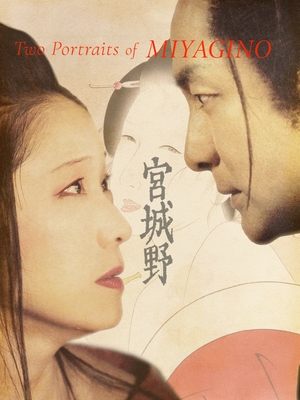
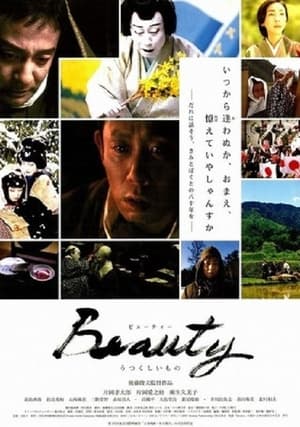
In Edo-era Japan, a ukiyo-e artist languishes in his master’s shadow. Creatively stifled, he finds consolation in the company of a prostitute, and becomes entangled in a love triangle. A mystery emerges involving two portraits and the sudden disappearance of the artist Sharaku. Helmed by Cannes-selected director Tatsuji Yamazaki, the film employs kabuki-inspired sequences and stylised sets.
Simone Veil - Les combats d'une effrontée
O Direito do Mais Fraco à Liberdade
Follows the life of an illegitimate son of a kabuki actor.
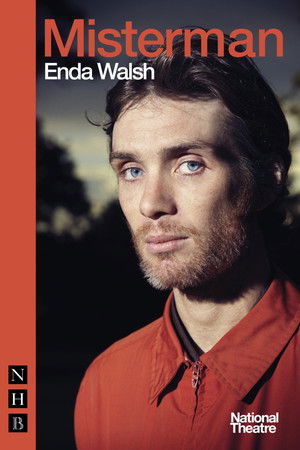
Enda Walsh's play Misterman, written for a solo performer, is a study of one man’s descent into religious mania in small-town Ireland.
Nakazo is forced by his foster mother, Shun, to practice dance intensively. He is bullied in the Kabuki world, and worries about his future as an actor.
Set in a small Nagano village in the 1930s, the film follows Hanji, a young boy captivated by a local kabuki performance. Inspired by Yukio, Hanji learns kabuki with Utako. As they grow, they become skilled actors, performing in a final kabuki before World War II. After the war, Hanji returns to revive kabuki and restore the community’s spirit. In the 1980s, as he nears death, the villagers organise a final performance in his honour, where he performs “Tenryu Koishibuki” for Yukio.
A day in a Hyatt suite gone weird
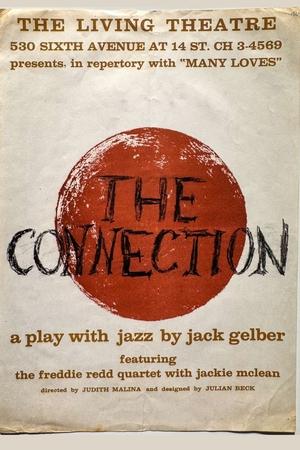
A professional recording of the official play. The play has a play-within-a-play format, with characters Jim Dunn as the "producer" and Jaybird as the "writer" attempting to stage a production about the underbelly of society using "real" addicts. Some of the addicts are jazz musicians. They all (except for the "producer", "writer", and two "photographers") have one thing in common: they are waiting for their drug dealer, their "connection". The dialogue of the characters is interspersed with jazz music.
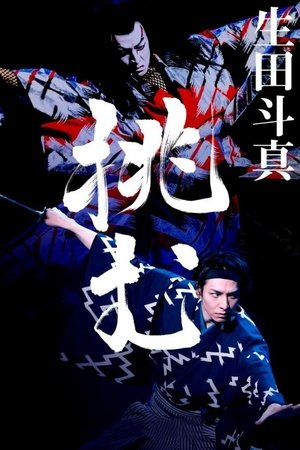
Two young swordsmen, Akado Suzunosuke and Tatsumaki Rainoshin, arrive at the city of Edo in their quest to test and improve their skills. Soon they become involved in a conflict against a mysterious group of demonic criminals led by the king of hell, Taira no Masakado — a strugle to which both were destined since the moment they were born.
Created for the "Esso World Theater" series of films in 1964, it features excerpts from "Bugaku," "Gagaku," "Noh, " and "Kabuki" scenes performed by the well-known dancers, musicians and actors and actresses.
Earliest japanese horror film.