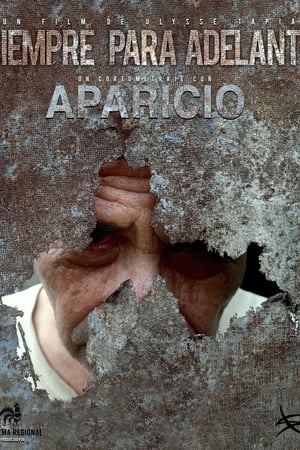
Plastic artist Aparicio Arthola talks with his student about the catarsis in his creative process, the loss, death and uncertainty of art life in Nicaragua
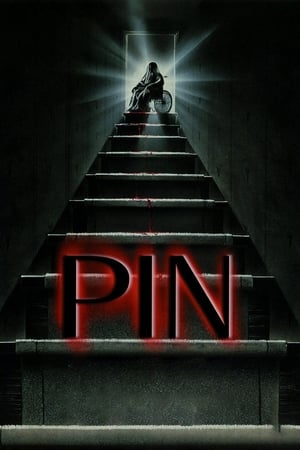
Pin, a plastic medical dummy, has been the fixation of Leon since youth. Now grown up and orphaned in an accident, Leon brings Pin home to live with him and his sister Ursula, much to her reluctance. Soon, however, Leon's fixation on Pin spirals out of control, and Ursula must face the devastating consequences.
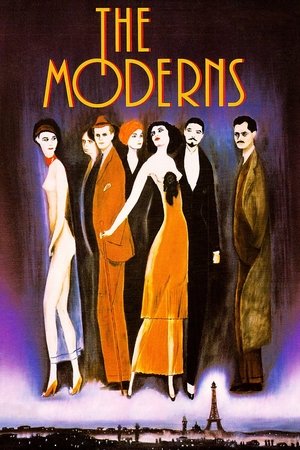
Nick Hart is a struggling American artist who lives amongst the expatriate community in 1920s Paris. He spends most of his time drinking and socializing in local café's and pestering gallery owner Libby Valentin to sell his paintings. He becomes involved in a plot by wealthy art patroness Nathalie de Ville to forge three paintings. This leads to several run-ins with American rubber magnate Bertram Stone, who happens to be married to Hart's ex-wife Rachel.
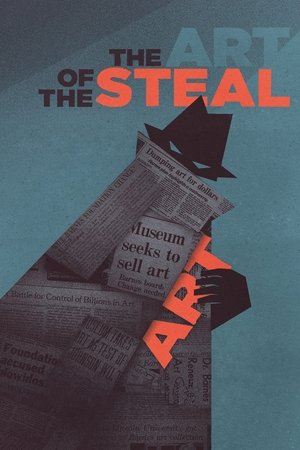
A gripping tale of intrigue and mystery in the art world, this film traces the history of a collection of Post-Impressionist paintings - worth billions - which became the subject of a power struggle after the death of its owner. Dr. Albert Barnes.
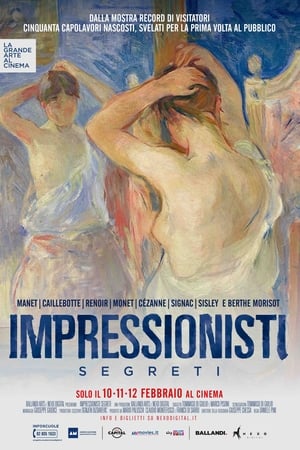
How did the Impressionists view the world? What relationship did they have with technique, with color, with light and with the universe of shapes that made up reality before their eyes? How were their works received? How did they go from being rejected by critics and the public to becoming among the most loved in the world in a few years? Secret Impressionists is an immersive journey into the intimacy of the Impressionists and their paintings which aims to offer a "privileged" visit that stimulates the spectators' curiosity and gives them a perspective on the works complementary to the live experience, allowing spectators in the hall to immerse themselves in the work of painters and grasp unpublished details.
Five female artisans from the Innu, Franco-Quebecois, and Zapotec peoples discuss their work. Their techniques, objects, and textile traditions give rise to stories that overlap. Their clothing reflects on identity and otherness.
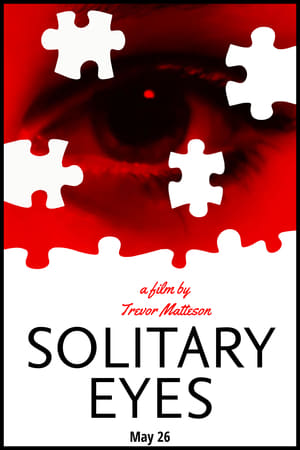
An isolated filmmaker struggles to connect with others in the absence of cameras. When he becomes creatively stuck, the world around him begins to dissolve.
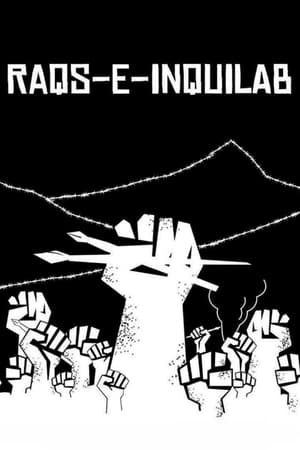
The film interweaves the personal narratives of four Kashmiri artists, three of whom - Syed Mujtaba Rizvi, Hina Arif and Zeeshan Jaipuri - are children of the conflict, their impressionable adolescent years years landing right in the middle of the region's most violent period in the 90s. The fourth character, renowned painter and art teacher Masood Hussain, grew up in a time of relative peace before becoming witness to Kashmir's tragic transformation. While their individual traumas are unique, they are connected by their pursuit to process this splintered world through unfiltered artistic expression.
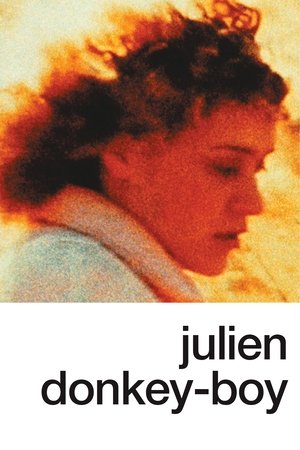
Undiagnosed, untreated and generally untethered schizophrenic Julien lives with his pregnant younger sister, anorexic aspiring wrestler brother, sympathetic grandmother, and severely depressed and abusive German father.
A five-minute film, composed exclusively of stills, music, and spoken words from other films
American sailor Charlie Madison falls for a pretty Englishwoman while trying to avoid a senseless and dangerous D-Day mission concocted by a deranged admiral.
The story of the circumstances in which Zoran matured as an artist, learning from the best. Zoran is a master at turning every seemingly difficult situation into an opportunity. And it does it all with incredible ease. His sculptures are alive. That is why the North American Indians gave him the Indian name Tunka Kitka - The man who awakens the stone.
The story of the first house/museum/school in the surburbs of Salvador: Acervo da Laje. Through interviews and photographic records of the Plataforma neighborhood, the short film proposes a reflection on the right to the city, especially the right to art in Salvador's favelas. As well as problematizing the lack of incentives for peripheral culture, it also explores the relationship between care and learning. With moving stories, Zé Eduardo and Vilma Santos will tell us a little about the construction of the collection they designed together. Acervo da Laje goes beyond being just a physical space; it is a daily practice that encourages art and knowledge for people with a voice who have never had the opportunity to be heard.
After the untimely death of his 35-year old brother, an artist explores the questions that surfaced from grief by painting 365 paintings and to spur conversation in culture.
Grave robbing, torture, possessed nuns, and a satanic Sabbath: Benjamin Christensen's legendary film uses a series of dramatic vignettes to explore the scientific hypothesis that the witches of the Middle Ages suffered the same hysteria as turn-of-the-century psychiatric patients. But the film itself is far from serious-- instead it's a witches' brew of the scary, gross, and darkly humorous.
Mark McCloud is the world's leading collector Of LSD art. His 'Institute of Illegal Images' has over 30,000 framed hits of acid and traces the history of the drug's cultural influence through the unique art form used in its distribution - blotter art. After enduring and defeating aggressive prosecutions by law enforcement seeking to put him behind bars for life, Mark now appears to be more of a visionary than an outlaw and his museum has become a place of pilgrimage for believers in LSD's spiritual power.
Planeta Siqueiros
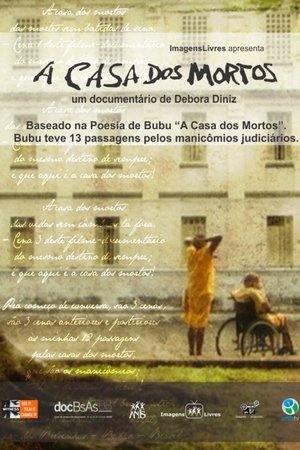
Bubu is a poet who has been committed to state institutions for the insane twelve times. He challenges the meaning of hospital-jails, hybrid institutions which sentence the insane to life imprisonment. The poem "The House of the Dead" was written during the filming of the documentary and reveals the forgotten deaths that occur in these judicial asylums. There are three stories in three acts of death. Jaime, Antonio, and Almerindo are anonymous men, considered dangers to society, whose punishment is the tragedy of suicide, the unending cycle of being committed to the asylum, or surviving life imprisonment in the house of the dead. Bubu is the narrator of his own life and also of his own destiny-death in the asylum.
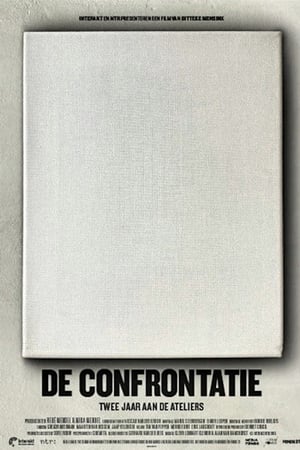
In 1917, French artist Marcel Duchamp declared everyday objects as art. A provocative act that sparked a heated, still topical discussion around the question: what is art? Since then, that question has been asked time and time again. To the artist and to the viewer. If everything is possible and everything is allowed, how do you remember what art is? Director Ditteke Mensink spent two years at De Ateliers: the breeding ground for top talent in the visual arts. Her stay ended in a harsh confrontation with herself, the young artists and modern visual arts.
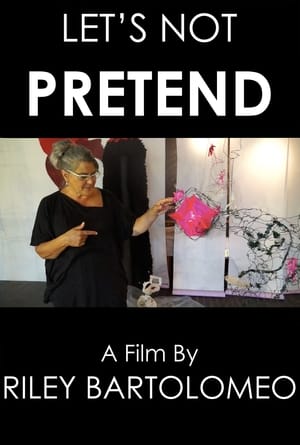
"Let's Not Pretend" is a film by Riley Bartolomeo about acclaimed artist Susan Calza. This documentary follows this award and fellowship grant winning artist to discover the autobiographical stories which lay beneath her art. Moreover, the film emphasizes the importance of art in our communities, country and world!