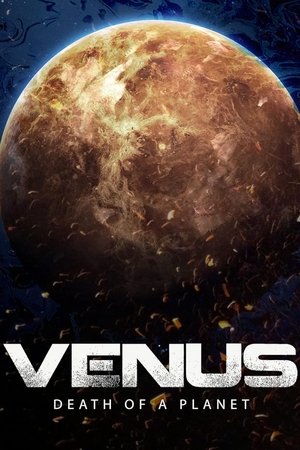
Billions of years ago, Venus may have harbored life-giving habitats similar to those on the early Earth. Today, Earth's twin is a planet knocked upside down and turned inside out. Its burned-out surface is a global fossil of volcanic destruction, shrouded in a dense, toxic atmosphere. Scientists are now unveiling daring new strategies to search for clues from a time when the planet was alive.
C'est pas grave d'aimer le football !
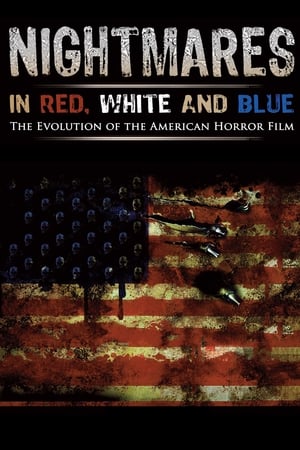
An exploration of the appeal of horror films, with interviews of many legendary directors in the genre.
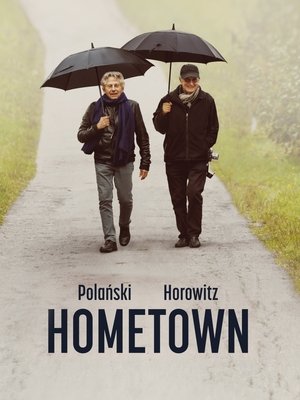
Filmmaker Roman Polanski and photographer Ryszard Horowitz meet in Kraków, Poland, where, strolling the streets, they share memories of their childhood and youth, the hardest days of their lives, when, during World War II, they met in the ghetto established by the Nazi occupiers.
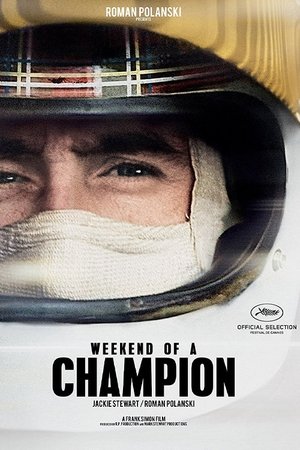
Filmmaker Roman Polanski spends a weekend with world champion driver Jackie Stewart as he attempts to win the 1971 Monaco Grand Prix, offering an extraordinarily rare glimpse into the life of a gifted athlete at the height of his powers. "Re-cut and restored" version of the original "Weekend Of A Champion (1972)", with a 2011 post-film discussion between Jackie Stewart and Roman Polanski (begins at approx 71:15 minutes).
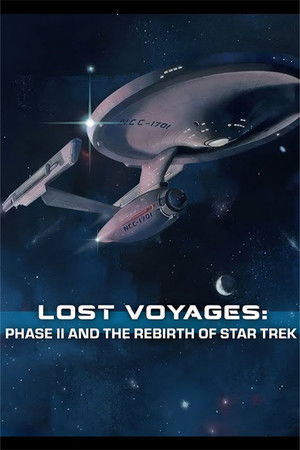
Explores the unproduced "Star Trek: Phase II", Gene Roddenberry's proposed 1970s revival of "Star Trek", and the forces that led to its demise. Featuring digital renders created by the Roddenberry Archive and OTOY, of the starship Enterprise and the command bridge as they had been redesigned and built – but never completed.
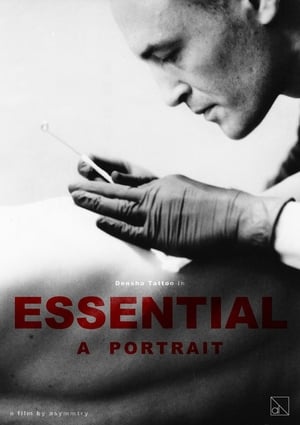
His work illustrates people. Densha Tattoo reflects on craft, inspiration and the scene. — What is the essence of a human being? One stitch at a time. A portrait about the tattoo artist.
This short film combines footage of the chokehold death of Eric Garner at the hands of the New York City Police Department and an interview with an acquaintance of his.
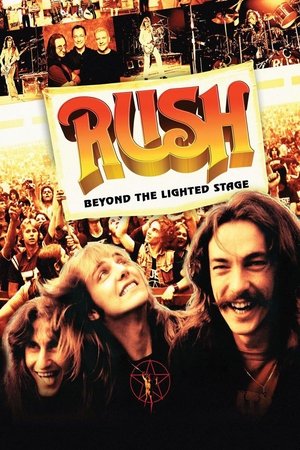
An in-depth look at the Canadian rock band Rush, chronicling the band's musical evolution from their progressive rock sound of the '70s to their current heavy rock style.
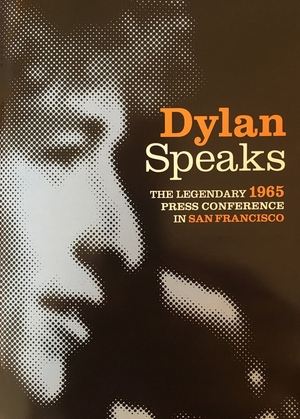
The legendary press conference in San Fransisco at KQED studios on Dec. 3rd 1965. This was a pivotal year in Bob Dylan's career. In the early part of the year he released "Bringing It All Back Home", the first album that saw him move distinctly away from his folk music origins. In the summer he followed it with "Highway 61 Revisited", an out and out rock 'n' roll album, and the single "Like A Rolling Stone" hit No.2 on the US charts. His appearance at that year's Newport Folk Festival saw him use an electric guitar on stage, a hugely controversial move at the time that saw him booed by much of the audience. Against this background, Dylan went into the studios of TV station KQED in San Francisco for a broadcast press conference hosted by Ralph J. Gleason, his only one from this era ever to be filmed.
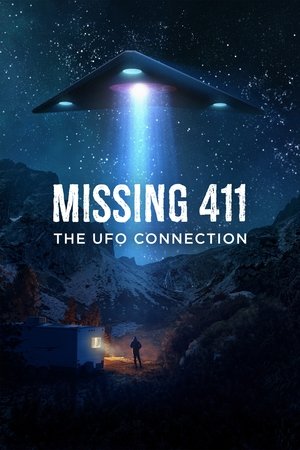
In Missing 411: The UFO Connection, David Paulides continues the story of people who vanish in the wild without a trace. In his third documentary, David reveals the first evidence documenting a link between UFOs and missing people.
An interview with actress Florinda Bolkan about her performances in the films "Don't Torture a Duckling" and "Lizard in a Woman's Skin".
‘Objects of War’ is a series of testimonials on the Lebanese war. Each person chooses an object, ordinary or unusual, which serves as a starting point for his / her story. These testimonials while helping to create a collective memory, also show the impossibility of telling a single History of this war. Only fragments of this History are recounted here, held as truth by those expressing them. In ‘Objects of War’, the aim is not to reveal a truth but rather to gather and confront many diverse versions and discourses on the subject. ‘Objects of War’ started in 1999 assembling the testimonials of eleven persons. It was first shown in 2000 . It continued in 2003 with ‘Objects of War n°2’, recording seven additional testimonials. This time however, and since then, the recorded material is left unedited, shown in its integrity. The work of collecting and assembling these stories continued with ‘Objects of War n°3 & n°4’ in 2006 and ‘n°5 & 6’ in 2014.
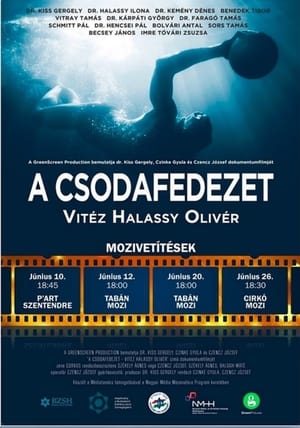
In the documentary about Olivér Halassy, the outstanding sports career of the legendary swimmer and water polo player is shown, and with the assistance of Olympic and Paralympic champions we also gain insight into the world of domestic water sports in the 20th and 21st century.
A camera crew follows Helmut Newton, the fashion and ad photographer whose images of tall, blond, big-breasted women are part of the iconography of twentieth-century erotic fantasy. He's on the go from L.A., to Paris, to Monte-Carlo, to Berlin, where he was a youth until he escaped from the Nazis in 1936. We see him on shoots, interviewing models, and discussing his work.
Amid shifting times, two women kept their decades-long love a secret. But coming out later in life comes with its own set of challenges.
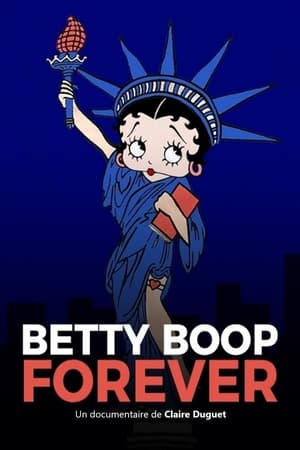
Betty Boop was one of the stars of the early cartoon era. As her name suggests - Boob stands for breasts - Betty Boop's trademark is her sex appeal. But what does the black and white female figure really embody? Is she a child woman, an object of lust, a femme fatale or an early feminist?
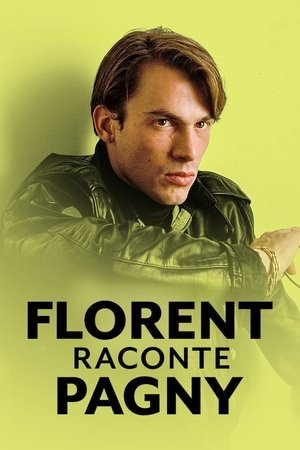
Florent raconte Pagny
Miany, 84, is increasingly losing her words. In front of her granddaughter's camera, she recounts a childhood memory from 1939. Between memory and forgetting, a story on the edge of time.
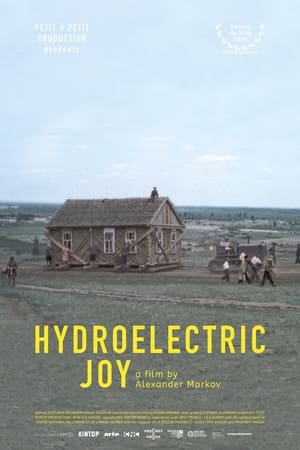
In the 60s, Vadim, a Soviet engineer, is in love with Vera, a researcher in biology. But their romance is suddenly disrupted by a mission entrusted to Vadim: sent to Egypt, he must participate in one of the great utopian ventures initiated by the USSR. Based on unpublished archives, this film is inspired by a true story.