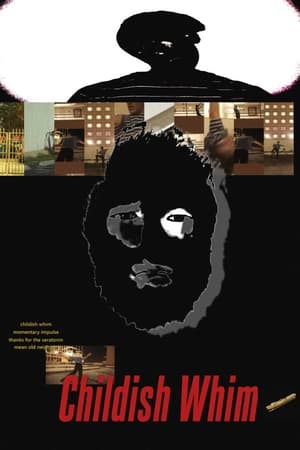
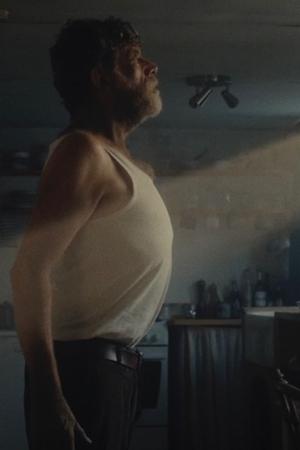
Childish Whim is a commentary on the feelings of angst and rebellion teenagers are inclined to feel. This short dance film is depicts a young teen who is entirely aware that all of the feelings he is acting upon are momentary impulses, however, he still gives into them.
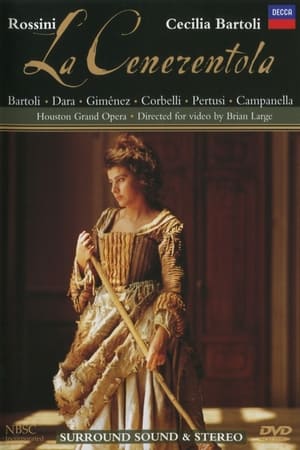
La Cenerentola, ossia La bontà in trionfo (Cinderella, or Goodness Triumphant) is an operatic dramma giocoso in two acts by Gioachino Rossini. The libretto was written by Jacopo Ferretti, based on the fairy tale Cendrillon by Charles Perrault. The opera was first performed in Rome's Teatro Valle on 25 January 1817.---- IMDB id refers to Great Performances: Season 24, Episode 12 La Cenerentola (3 Apr. 1996) from Houston Grand Opera so release date is misleading.
Trapped in an abusive marriage, a wealthy German prince desperately seeks a way out. But what appears to be the road to salvation soon turns into a highway to hell. The universal language of music meets the international language of Esperanto in this debut opera by Ivan Acher. The carpenter, forest worker, designer and composer has cleverly blended electro-acoustic and contemporary music to breathe life into Ladislav Klíma’s expressionist novel, The Sufferings of Prince Sternenhoch.
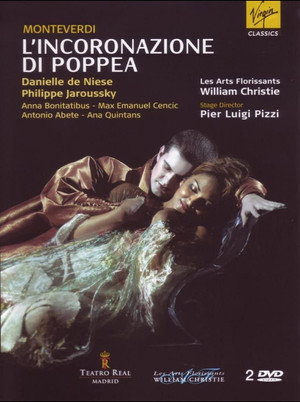
L'Incoronazione di Poppea by Monteverdi is the last Opera of the Monteverdi trilogy filmed by the Italian label and producer Dynamic at the Teatro Real, Madrid, May 2010.
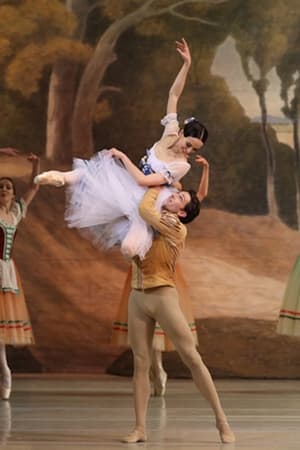
It is a story in which the young heroine, dying from a broken heart, mysteriously hears the call of ghosts tempting her to join their round dance, and having become one of them she saves the lover who betrayed her.
Opera in three acts by Christoph Willibald Gluck, Hector Berlioz's version (1859)
An old man is isolated in his home. Haunted by the loss of his beloved, he embarks upon a journey to return to her.
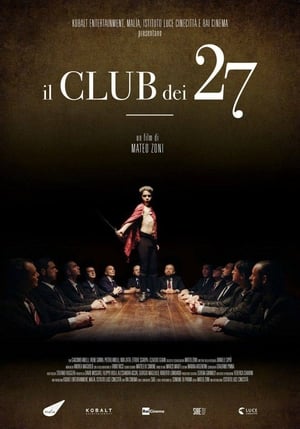
A 12-year-old boy tries everything to join a music lovers club.
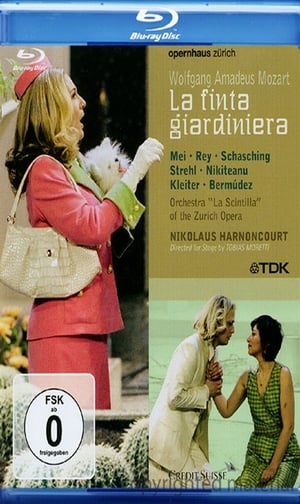
The Zurich Opera gathered a superb cast for this production: Italian soprano Eva Mei sings the Countess Violante, known as Sandrina, the feigned gardener of the title. Spanish soprano Isabel Rey is her opponent Arminda, and Arminda's former lover, the melancholy Cavaliere Ramiro, is sung by Romanian mezzo Liliana Nikiteanu. Moretti's staging presents the action in a modern villa in a hierarchical world of the rich and famous.
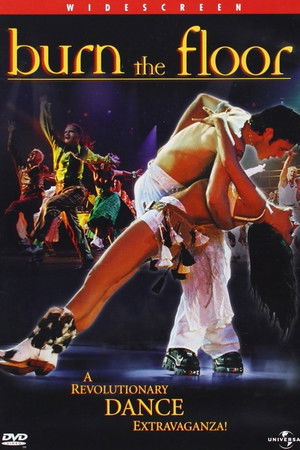
The ballroom dancing the world recognizes today is competitive ballroom dance, sometimes known as dancesport. It is comprised of ten dances, which can all be danced in “closed ballroom” hold. The style danced in BURN THE FLOOR is called “international style” and has been danced in competition since 1920. International style ballroom dance consists of ten dances, split into five Latin American dances and five ballroom dances (standard). Each BURN THE FLOOR dancer has spent a lifetime training to compete against other dance couples. This show allows the dancers to demonstrate their love and passion for their art.
Giulio Cesare in Egitto
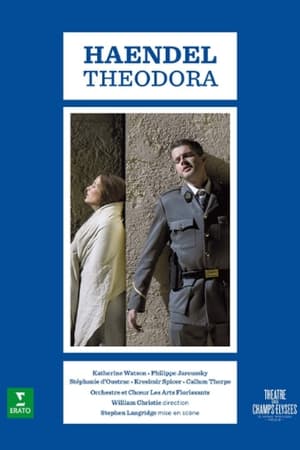
The oratorio concerns the Christian martyr Theodora and her Christian-converted Roman lover, Didymus.
Leoš Janáček: Osud
For two hundred years, the Shakers have been America's most successful utopian society. While seeking harmony, order and perfection in every aspect of their lives, they built minimalistic furniture and buildings that influenced modern design. The Shakers wrote songs of exquisite beauty and danced to the point of ecstasy during their religious meetings. Inspired by this music and dance, choreographer Tero Saarinen created Borrowed Light, a dance piece about communal life and individual sacrifice. Shot in Finland and the United States, featuring interviews and excerpts from Borrowed Light, this documentary explore the cultural legacy of this religious group devoted to creating heaven on earth.
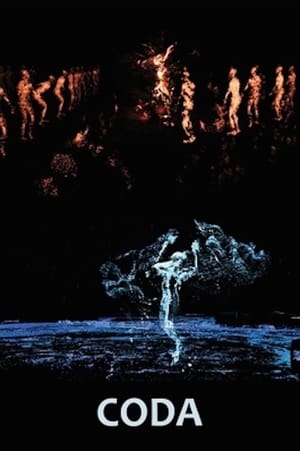
This short animation draws on advanced digital technologies to offer a new vision of dance in cinema. With motion capture (MoCap) and particle processing, designers Denis Poulin and Martine Époque create virtual dancers free of their morphological appearance. In this balletic and hypnotic film, dynamic traces carry the motion of the real dancers behind the on-screen movements. Addressing environmental themes by way of metaphor, CODA is a fused universe where space and time collide, deploy, and dissolve. In this technically and formally innovative film, luminous bodies in the infinite space of the cosmos transform and evolve to the rhythms of Stravinsky’s Rite of Spring.
Part of the celebrations for the 150th anniversary of the death of the Pesaro composer, Il Barbiere di Siviglia staged in Lugano, is the result of a virtuous collaboration that involved Swiss Radio and Television, LuganoInScena and LuganoMusica. The musical part was entrusted to Maestro Diego Fasolis who, together with his Barocchisti ensemble, was involved in the project from the very beginning. Internationally renowned soloists such as Edgardo Rocha (who embodies the Count of Almaviva), Riccardo Novaro (Bartolo), Lucia Cirillo (Rosina), Giorgio Caoduro (Figaro), Ugo Guagliardo (Basilio) and Alessandra Palomba (Berta) performed on stage.
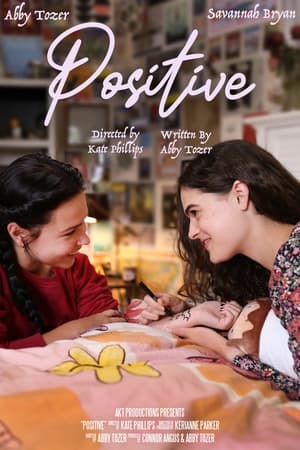
Twenty-two year old Neuroscience student Wendy is in the midst of a transition from pre-med to performance when she is thrown into quarantine with her 17 year-old sister, April. Suddenly sharing a full-sized bed, the sisters struggle to make peace with their newfound living quarters. But, while editing April’s college essays, Wendy discovers her purpose–to help April find hers. Over fourteen days, the girls grow from acquaintances to artistic allies as they realize their unstoppable potential to pursue their passion. Based on a true story, this film was shot in Houston with an entirely Texan cast & crew. Creator Abby Tozer donated $2500 to the Cynthia Woods Mitchell young performing artists' scholarship.
Going to see Nutcracker with the whole family has been a tradition in other countries for many years. Now it is a tradition in the Netherlands as well. It became apparent that the Netherlands had also adopted this tradition in 1996, when the Dutch National Ballet presented its own version of the famous fairytale ballet. It is a magical production that has won the hearts of more than 250,000 people to date. Choreographers Toer van Schayk and Wayne Eagling created a Nutcracker for the children and adults of today. It is more dynamic and exciting, and less sweet than usual. They also chose to give a Dutch twist to their interpretation of the story, with skaters on the canals and a living room that transforms into a snowy forest. Unlike the original story, the production by Eagling and Van Schayk (who also designed the delightful sets and costumes) does not take place on Christmas Eve in a German town, but during St. Nicholas celebrations in Amsterdam, around 1810.
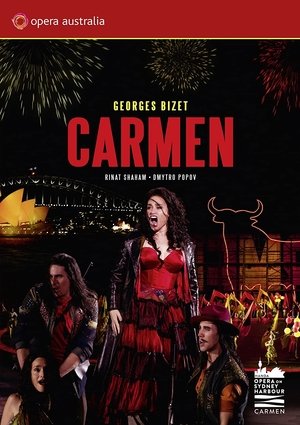
With the Australian Opera and Ballet Orchestra and conductor Brian Castles-Onion, a gritty set design, sumptuous bold costumes, stunning choreography, and the inestimable direction of Gale Edwards and Bizet's glorious opera is brought to life like never before in this second Handa Opera on Sydney Harbour.
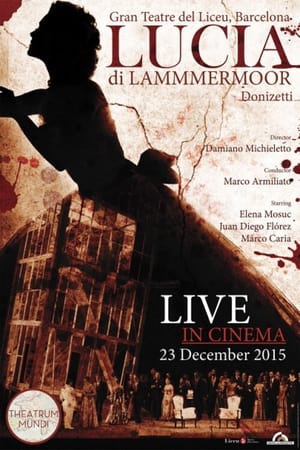
Lucia di Lammermoor, dramma tragico in three acts by Gaetano Donizetti (1797 - 1848). Libretto by Salvadore Cammarano, after Walter Scott's 'The Bride of Lammermoor'. First performance in Naples, Teatro San Carlo, 26 September 1835 Recording: December 23 2015 - Gran Teatre del Liceu | Barcelona Director: Fabrice Castanier Conductor: Marco Armiliato Orchestra & Chorus of the Gran Teatre del Liceu