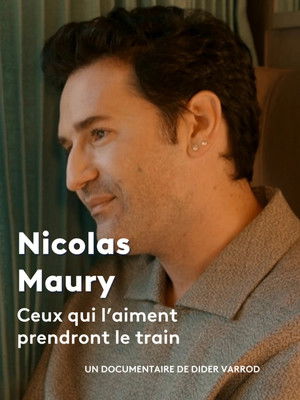
Between the nostalgia of resurfacing roots and the desire to venture into song to experience a rebirth, Nicolas Maury reveals himself unguarded before Didier Varrod, with a deeply moving sincerity. Nicolas Maury released his first album, La porcelaine de Limoges, in January 2023—a new experience for this unique, demanding, and multifaceted actor. It is an opportunity to paint an intimate portrait of him through an extended interview on a train between Paris and Limoges. In this specific setting, which was also that of his first (silent) film role with Patrice Chéreau in Those Who Love Me Can Take the Train, Nicolas discovers archives and hears from close acquaintances who speak about him. A documentary film, like a kind of initiation rite, it moves back and forth between memories of France and childhood, and his condition as a man and artist today, taking on a new identity through music.
Unustatud rahvad (1970 - 1989) by Estonian composer Veljo Tormas is based upon six Balto-Finnic peoples traditions. Collegium Musicale choir brought the songs to different sides of Baltic coasts to liven current citizens connections for fleeting past and strengthen their identity.
Metzer 58 play Punk. They were founded in a meet-up at Lebenshilfe Münster, an NGO that provides housing and other services to people with disabilities. The band consists of disabled people and able-bodied people. That doesn't really affect the topic of their songs or the amount of chaos and excess at their gigs, though. In this documentary, director Tobias Stiegler follows the band on tour and paints an intriguing portrait of Metzer 58
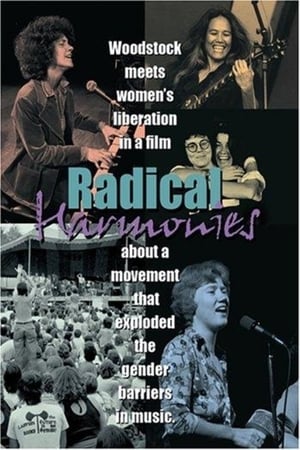
Interviews and performance footage are used to provide an overview of the women's music scene.
The first authorized biography of Christopher Wallace, allowing Christopher to narrate his own life story. Using archival footage and previously unknown audio to tell the story along with interviews with those that knew him the best.
Dolly Parton leads a moving, musical journey in this documentary that details the people and places who have helped shape her iconic career.
This biographical film on M. S. Subbulakshmi portrays how this ancient and glorious tradition of carnatic music, got enriched by fervent devotion and Bhakti Bhavana of M. S. Subbulakshmi and how she rose as 'A Legend Forever' and is treated with equal reverence and affection by millions of music lovers all over the world.
Reneé Rapp Amazon Music Songline Performance Film
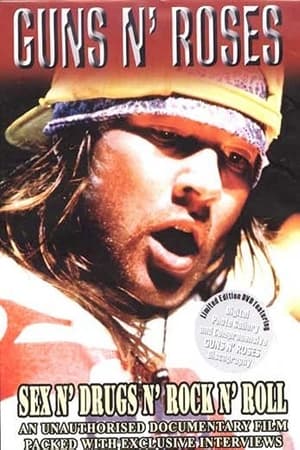
Bursting out of the L.A. glam scene in the late 1980's, Guns N' Roses have gone on to epitomise everything that a rock band should be. Now, some 15 years later and with only one original member, they have somehow managed to retain an enormous army of de
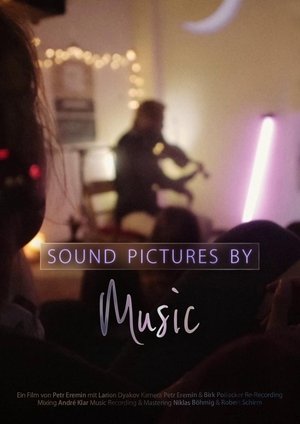
Larion Dyakov is a painter, but he doesn't use paint; instead, he "paints pictures through music." He plays the viola and connects it to a chain of various effects devices to loop his phrases and alter the original sound of his classical instrument. The result is a mixture of classical and modern ambient music that can transport you to another world and paint a new picture in your mind's eye, if you let it.
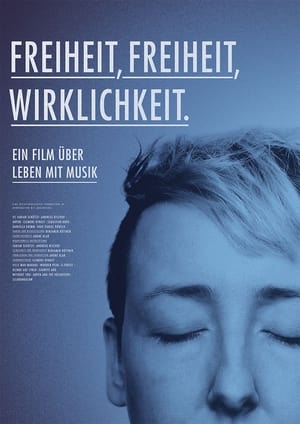
In search of the reality of life for independent musicians in the digital age, the film and art collective "relativ kollektiv" spent over a year accompanying the protagonists of the label and network "Analogsoul" in Leipzig, Berlin, Erfurt, and Jena. The film introduces the musicians in their everyday environments: in rehearsal rooms, during field recordings, at concerts, but also at their "day jobs." Directors André Klar and Benjamin Büttner discover situations between dedication and resignation and shed light on the everyday questions of people whose lives are based on their passion.
The story of Le Palace, the famous parisian night club in the late seventies. The documentary is a conversation between ex-clients, founders and workers of the place. Owned by Fabrice Emaer, this nightclub became in 1978 the center of the french social life.
An adventure-filled journey through 60 centuries of history, to learn about the formation, changes and developments and progress of musical art in Iran.
Second Episode: About the changes and developments in the music of this land from the end of the Safavid era to the end of the Second World War. From the courts of different kings to holding the first concerts in Iran, from the introduction of the sound recording phenomenon to Iran, to the influence of the western world on Iranian music and the establishment of a music conservatory. In this episode, we also see the role of music and its artists in the struggle for social change.
The evolution of music from Shahrivar 1320 (August 1941) at the same time as the reign of MohammadReza Pahlavi until 22 Bahman 1357 (February 1978) and the banning of music by Ruhollah Khomeini.
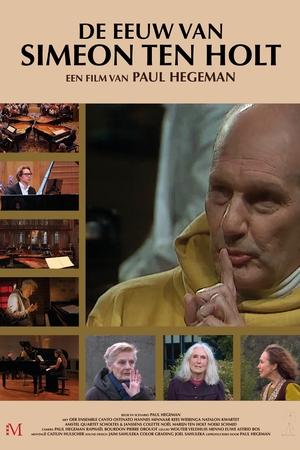
De eeuw van Simeon ten Holt
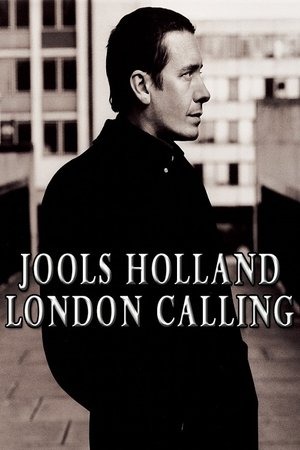
Jools Holland takes a personal look at the historical influences that have helped to create the sound of London. His journey takes him back to Roman times, and then forward through history until the present day, taking in well-known landmarks, pubs, music halls and more recent venues such as the 100 Club. Archive film footage is interspersed with contributions from performers such as Roy Hudd (comedian and music hall expert), Lucy Skeaping (of The City Waites ensemble), Eliza Carthy (folk musician), Sterling Betancourt (steelpan pioneer), Danny Baker (DJ and presenter), Ray Davies (of The Kinks rock band), Paul Jones (of the Manfred Mann pop group), Joe Brown (rock and roll singer), Suggs (of the Madness ska band), and Lisa Hannigan (Irish indie folk singer).
Diam's, the beloved icon of French rap, gave up everything at the height of her success. The young woman experienced a real descent into hell: depression, loneliness, and disillusionment in the face of suffocating fame. On the brink of disaster, she found refuge in religion. Rare archives, memorable music videos, and previously unseen testimonials reveal the violence of her success and her vital need to disappear in order to rebuild herself, choosing the shadows after the light.
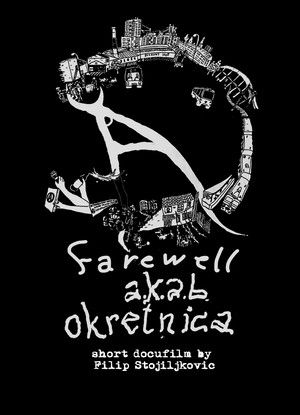
As one of Belgrade’s last DIY anti-nationalist spaces faces closure, its community gathers for a final night — a farewell that becomes a quiet act of resistance.
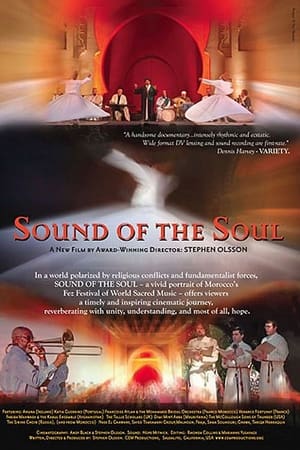
SOUND OF THE SOUL is a compelling portrait of an Arab country where Muslims, Christians, and Jews have lived together in relative peace for centuries. Beautifully photographed during the Fez Festival of World Sacred Music, the film presents unforgettable performances from groups from Morocco, Ireland, Russia, Afghanistan, Mauritania, the USA, Portugal and France, which carry viewers into what the film's Moroccan sufi guide calls "the hearing of the heart": the essential Oneness at the core of all religions and faiths.