Newsreel of the visit of sultan Mehmed V Resad to Bitola.
The Secrets of Life series (1934-50) may not conform to modern expectations of nature filmmaking, inclined as it is towards giving cute fluffy creatures human names and characteristics. But it couldn't be accused of shielding kiddies from the harsher realities of the food chain, as this exercise in ruthless Darwinism demonstrates to unintentionally hilarious effect. A more than usually eccentric narrator introduces us to the newborn bunny quartet of Donald, James, Charles and Clifford, but as the film's title gives away, "the boys" aren't all long for this world as they face an assault course of hungry owls, predatory badgers, shotgun-happy gardeners and aerial bombardment (no harm in a little anti-Nazi detour, this is 1942 after all). (from http://player.bfi.org.uk/film/watch-once-we-were-four-1942/)
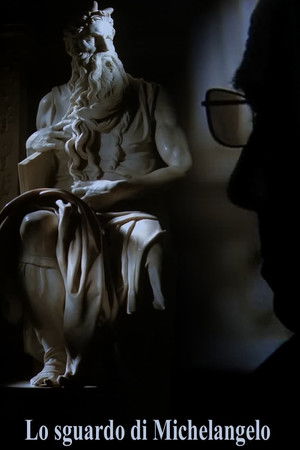
In this short documentary, Michelangelo Antonioni enters the church of San Pietro in Vincoli in Rome to contemplate Michelangelo Buonarroti’s statue of Moses. The film consists of Antonioni’s silent observation of the sculpture and the surrounding space, recorded during a visit following the restoration of the monument.
A unique hybrid of documentary, silent film, drama and dance, 'Breaking Plates' puts revolutionary women of the past on the screen with present day filmmakers. Contemporary women talk to characters from 100 years ago, reanimate their antics and emulate their mayhem moves. As early 21st century performers step into the clothes of their early 20th century counterparts, battling their haywire machines, exploding gags, and eruptive bodies, they learn to wield humour as a weapon against the structures that contain them today.
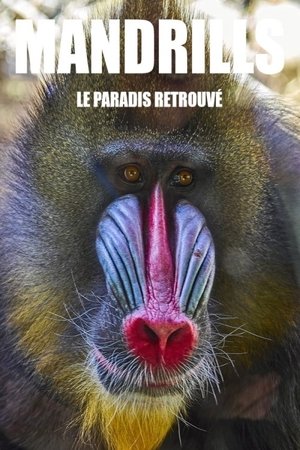
Mandrills : le paradis retrouvé
In 1890, one man had the idea to collect every bird ever mentioned in Shakespeare and release them into Central Park. The only bird to survive in the New World was the European starling, which became one of the most common birds in North America. Its introduction is now widely considered a major environmental disaster.
Documentary focusing on Brazilian samba singer Bezerra da Silva and the composers he chooses to record: simple people, workers living in the poor slums of Rio de Janeiro and its suburbs.
Estátuas Vivas
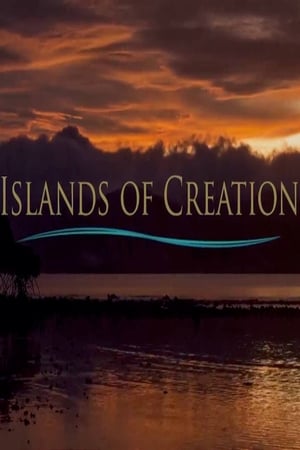
In the jungles of the Solomon Islands, a remote archipelago in the South Pacific, a biologist is attempting to do something Charles Darwin and Ernst Mayr never accomplished: catch evolution in the act of creating new species. Albert Uy is on the verge of an amazing discovery in the Solomon Islands, but there's a threat looming on the horizon. The islands' resources are being exploited, putting all local wildlife at risk. It's a race against time to gather the evidence necessary to prove the existence of a new species before it's lost forever.
Greenaway's short documentary shows 26 bathrooms, each representing a letter of the alphabet.
The election of the National Queen in General Roca (Argentina)
Auschwitz is synonymous with the Holocaust, but it’s also a place on the map with a surprising history preceding World War II. Narrated by Meryl Streep, this short documentary tells the story of Auschwitz, from its construction to its infamy.
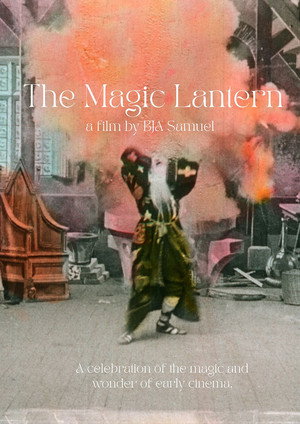
The Magic Lantern is a non-narrated celebration of early cinema and silent-film imagination, exploring the early work of pioneers such as Georges Méliès, Eadweard Muybridge, Segundo de Chomón, and Émile Cohl.
This is the story of the evolution of the starship "Enterprise".
The attempt to accompany the creative process (with the inevitable difficulties and silences) of five women-dancers-choreographers, in their experience of creating a work of dance theater.
A group of elementary students have homework.
Mockumentary about six children of a school that created a film group
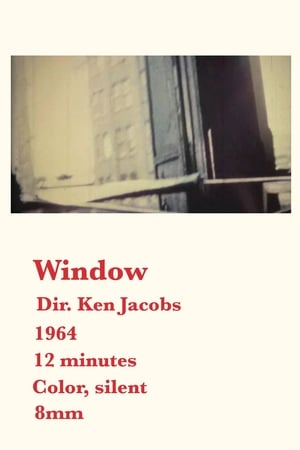
The moving camera shapes the screen image with great purposefulness, using the frame of a window as fulcrum upon which to wheel about the exterior scene. The zoom lens rips, pulling depth planes apart and slapping them together, contracting and expanding in concurrence with camera movements to impart a terrific apparent-motion to the complex of the object-forms pictured on the horizontal-vertical screen, its axis steadied by the audience's sense of gravity. The camera's movements in being transferred to objects tend also to be greatly magnified (instead of the camera the adjacent building turns). About four years of studying the window-complex preceded the afternoon of actual shooting (a true instance of cinematic action-painting). The film exists as it came out of the camera barring one mechanically necessary mid-reel splice
A group of children tells to the camera how they torture various animals, such as lizards, cats or mice. One of them tells how last summer, after attacking a cat with his friends, he saw something that made him reflect on what they did.
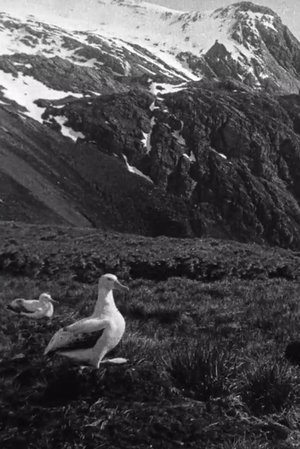
Sir Ernest Shackleton is a poignant absence in this fragment from the closing chapter in the Heroic Age of Antarctic Exploration. The Shackleton-Rowett Expedition and their ship the Quest docked at the old whaling station at Grytviken, South Georgia, on 4 January 1922; Shackleton died of a heart attack on board in the early hours of 5 January. These scenes of wildlife on the remote island – including skewers, fulmars, penguins and seals – were shot before the Quest departed on 18 January.