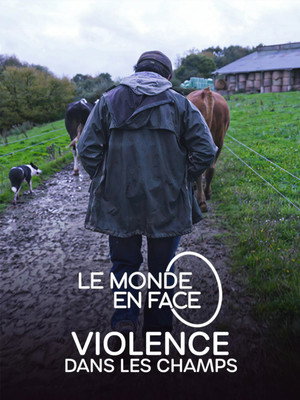
Violence dans les Champs
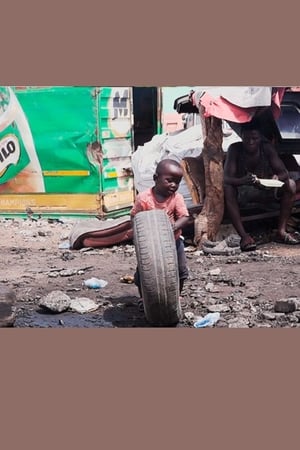
There are thousands of people working as scrap workers in Agbogbloshie, Accra, Ghana, and Abdallah is one of them. Like the majority, Abdallah is from the northern part of the country and behind him, there is a big family awaits support. The air pollution caused by the open burning of electronic scraps has raised Muntaka’s concern, who is trying to stop them from burning…
Facing the destructive forces of modern agriculture, a handful of Hawaiians seek to use the wisdom of their ancestors to make Hawaii a beacon of hope for an uncertain future.
Des Rives
One More River: The Deal that Split the Cree is a Gemini Award-nominated documentary about the decision making process of Quebec Crees to allow another mega-hydro project to be built on their land. This dramatic, behind-the-scenes look at the deal that split the Crees, dispels romantic notions of how decisions are made in Indigenous communities.
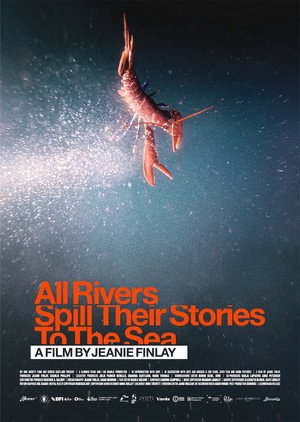
On England’s North East coast, where rivers, heavy industry and the sea have shaped lives for generations, fisherman Stan Rennie is watching the world he knows disappear. His family have worked these waters for generations. Then, almost overnight, thousands of dead crabs and lobsters wash ashore, and a community already living with uncertainty is pushed into crisis. Teesside filmmaker Jeanie Finlay brings warmth, wit and deep local feeling to this David-and-Goliath story of environmental damage, official evasions and working-class resilience. At its centre is Stan: funny, stubborn, vulnerable and increasingly determined to be heard.
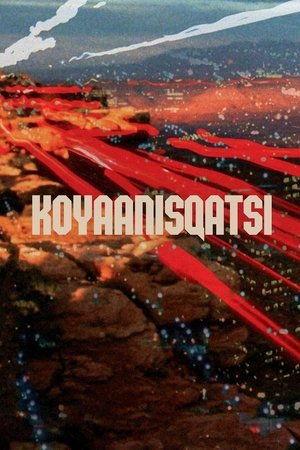
Takes us to locations all around the US and shows us the heavy toll that modern technology is having on humans and the earth. The visual tone poem contains neither dialogue nor a vocalized narration: its tone is set by the juxtaposition of images and the exceptional music by Philip Glass.
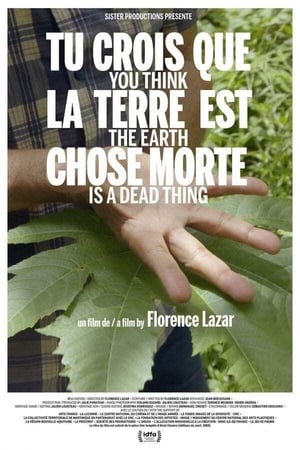
Just one of the many far-reaching impacts of the slave trade on human history is on agriculture and horticulture. While the French plantation owners on the Caribbean island of Martinique had their gardens laid out, Versailles-style, their enslaved workers continued their tradition of using medicinal wild herbs. Nowadays these herbs represent one of several resources through which the people of Martinique counter the health and ecological ravage caused by the use of pesticides on the banana plantations. Farmers are reclaiming uncultivated lands to grow indigenous vegetables, without any industrial pesticides; they fight boldly for simple biodiversity.
From the 60's, the neighborhood of Pedra de Guaratiba, in Rio de Janeiro, was invaded by a varied artistic community.
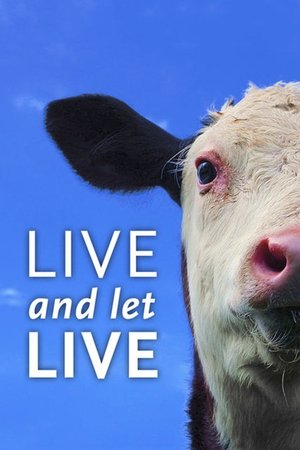
Live and Let Live is a feature documentary examining our relationship with animals, the history of veganism and the ethical, environmental and health reasons that move people to go vegan.
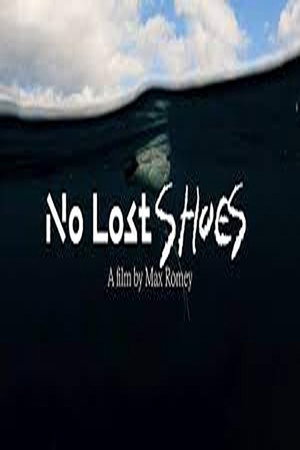
Our shoes go lots of places, across vast distances, and over many miles. But eventually, no matter how much we care for them, our shoes break down and usually get thrown away. Max Romey wanted to find out what happens to his old shoes, and in his film No Lost Shoes, highlights the full scale of the problem.
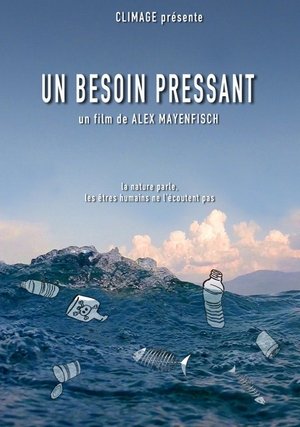
Un Besoin Pressant
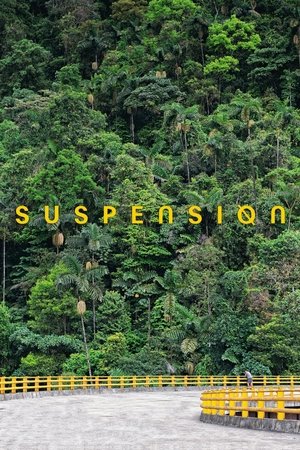
In the depths of the Colombian jungle, the skeleton of an immense abandoned cement bridge is tucked away. It has turned into a delusional tourist attraction.
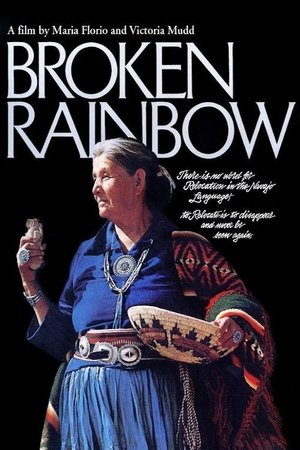
Documentary chronicling the government relocation of 10,000 Navajo Indians in Arizona.
A cinematic and introspective look at the residents of a Quebec town—once the site of the world's largest asbestos mine—as they grapple with their community's industrial past. Striving to honour their heritage while reconciling with their history and forging a new path forward, the miners delve into the intricacies of progress and healing.
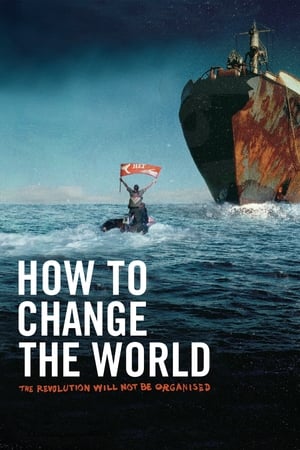
In 1971, a group of friends sail into a nuclear test zone, and their protest captures the world's imagination. Using never before seen archive that brings their extraordinary world to life, How To Change The World is the story of the pioneers who founded Greenpeace and defined the modern green movement.
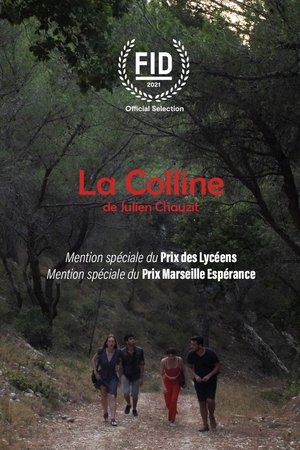
In his first film, Julien Chauzit gathers four young adults in their twenties who are on holiday in Martigues, and he shows their political awakening, in the face of the environmental disaster to come.
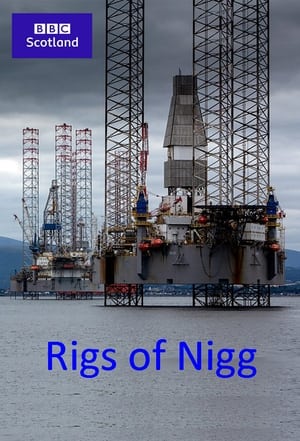
It is the early 70s, and oil has been discovered in the North Sea. The UK needs rigs and needs them fast. Their search for a location to build the platforms settles on the sleepy Highland bay of Nigg on the Cromarty Firth, and a way of life is changed for ever.
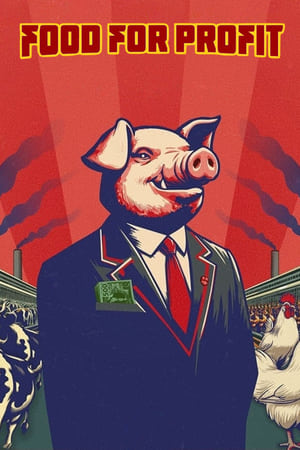
The film exposes the links between Agrifood and politics. With a pool of international experts it analyses the many problems related to factory farming: water pollution, migrants exploitation, biodiversity loss and antibiotic resistance.
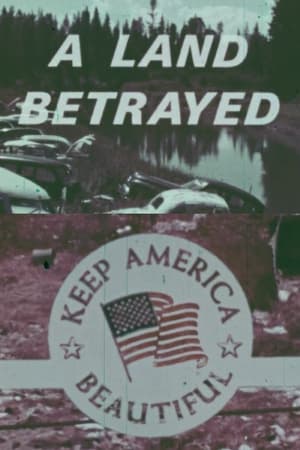
Produced by Alfred Higgins Productions with assistance from the University of Missouri-Columbia’s Academic Support Center Film Library, Keep America Beautiful, Inc., and Keep Los Angeles Beautiful, Inc., the 1963 short film A Land Betrayed examines the various ways people have spread the “cancer of ugliness” across America and offers call-to-action solutions to combat the nation-wide problem.