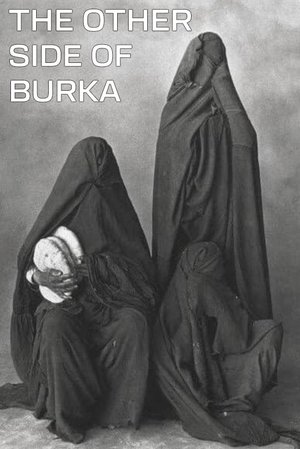
The Other Side of Burka is a 2004 Iranian documentary directed by Mehrdad Oskouei. In the southern island of Qeshm, Iran, which is a very strict region in point of tradition and African-Arabic rules, all women are under the pressure of patriarch society. Their sufferance is manifested by different mental (Zar, Possession) and physical diseases which must be only treated by Zar Ceremony. For the first time, despite the danger these women face, this film tells us the sad story of their life and shows their confection in front of the camera. It tries to be an honest mirror which reflects their sufferance and unveils their Burka to reveal their real characters.
The humorous portrait of a female artist. The film follows the career of 24-year-old Janine F. who in 2002 caused a commotion from the rooftop of a Berlin building.
Ashley Smith was a troubled 19-year-old when she choked herself to death at Ontario's Grand Valley Institution for Women. Her death made national headlines and led to a scathing report by Canada’s federal prison ombudsman. Incarceration for Ashley began at a youth detention centre in New Brunswick. Her crime: she had tossed crabapples at a mailman. Her one-month sentence stretched to almost four years, served in five provinces. With the prison videotapes and exclusive access to Smith’s parents, along with a fellow inmate, this documentary exposes a system that fails the many Ashley Smiths still incarcerated in Canadian institutions.
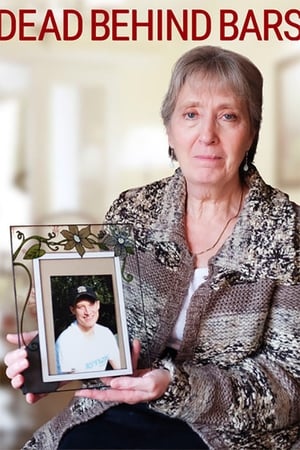
200 young people under 25 have died in custody since 1992 in England and Wales. This is the story of three of them; young men who died behind bars - told by the people who knew them best, it explores the flaws in the system and the lapses in care that contributed to their deaths.
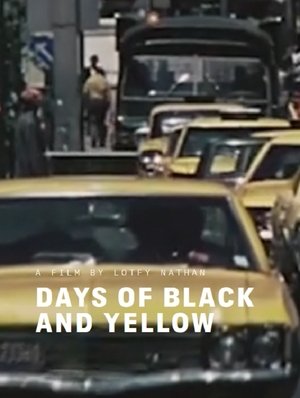
New York cab and black car drivers are facing economic and emotional hardship in a city dominated by ride-share apps. As these long standing industries are decimated by economic and political forces, drivers are forced to cope or fight back.
A short film portrays the events of a depressed man's day, culminating, presumably, in his suicide, though the ending is ambiguous. Afterwards, a roundtable of mental hygiene professionals and social workers examine the film, while discussing the phenomenon of suicide more broadly.
The film examines the death of the anarchist Giuseppe Pinelli, who fell from the fourth floor of the police headquarters in Milan December 15, 1969, after being stopped following the Piazza Fontana bombing.
Corée du Sud, de la K-pop au bouddhisme
minicômios
Final Line
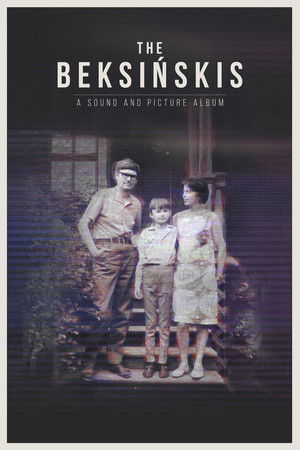
Painter Zdzisław Beksiński, his wife Zofia and their son Tomasz, a well-known radio journalist and translator, were a typical and unconventional family, both at the same time. One of the father’s obsessions was filming himself and his family members. Using archival footage only, shot primarily by Zdzisław, as well many other materials, which have not been presented anywhere so far, the film tells a tragic story of the Beksińskis that has never ceased to fascinate Polish filmmakers.
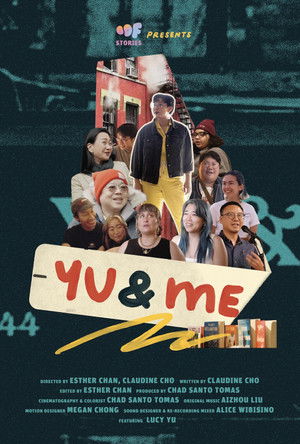
When a fire destroys a beloved Chinatown bookstore, its hyper-independent owner learns that community is necessary for survival.
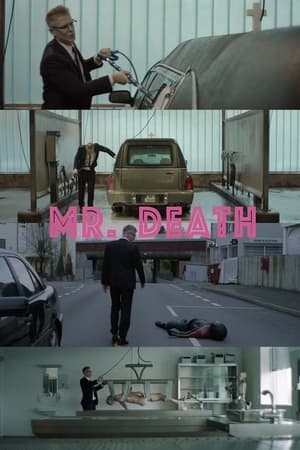
An exclusive interview with Death as he goes about his everyday business.
A documentary about an upcoming artist who is in grief but is trying to manage his musical career as a rapper.
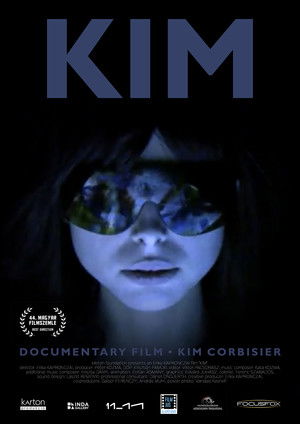
The story of an exceptional painter talent, the Belgian-Hungarian Kim Corbisier who left a brilliantly powerful oeuvre behind after her tragically short and intense life. And a camera at her filmmaker friend. The mesmerising and often shocking footage of the camera bear witness to Kim's struggles with methadone addiction and, above all, her identity crisis caused by a series of unfortunate and criminal accidents in her family. After the unfinished attempts, with this film, the filmmaker is realising a project they had planned together 10 years ago.
A dazzling and unconventional documentary where a filmmaker explores their first experience of great loss after her best friends Chun and Yueh go missing. Trapped in a cave in Nepal for 47 days, Yueh survives. Chun does not. Yi-Shan offers an intimate window into the complex relationship of survivors as she traverses the intricate terrain of grief and gender with Yueh. Their conversations are steeped in themes of guilt, perseverance, and identity as they navigate Chun’s legacy with ease, even as elders around them fail to acknowledge their friend’s queerness/transness posthumously.
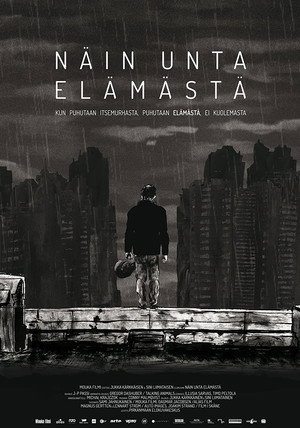
Every day in Finland alone, two people commit suicide. Thousands of people are affected by suicide yearly. Once I Dreamt of Life is a feature length documentary film about suicide. It’s an account about one’s personal relation to suicide, but also studies suicide as social phenomena: The motives, warning signs & consequences. The film follows the journey of a young man, an animated character based on a real person, on his path towards suicide. The journey is described by people who’ve had encounters with suicide – parents who lost their child, young adults who considered or even tried committing suicide. When linked together, these experiences offer a collage of our perception of suicide. They tell about how people cope with the past and find a reason to go on with their lives. The intention is not to romanticize suicide or judge. It encourages people to talk about painful and difficult experiences and reminds us how important it is to be heard.
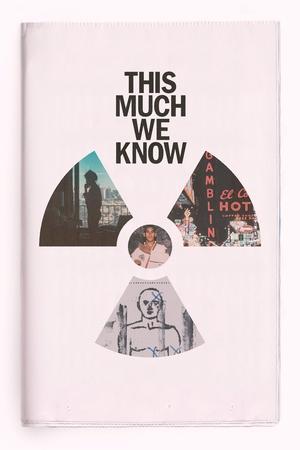
While investigating the suicide of Las Vegas Teenager Levi Presley, a filmmaker uncovers a story of a city with the highest suicide rate in the country, and a nation scrambling to bury decades of nuclear excess in a nearby mountain.
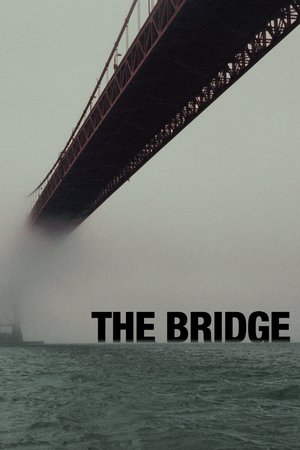
The Bridge is a controversial documentary that shows people jumping to their death from the Golden Gate Bridge in San Francisco - the world's most popular suicide destination. Interviews with the victims' loved ones describe their lives and mental health.
Following the death of Amina Filali, a 16 year-old girl who killed herself after she was allegedly forced to marry the man who raped her, a young woman carries a personal investigation into the representation and perception of rape in Morocco. Here rapists are offered to marry their victims as a means to save the "honour" of the family. By liberating the voices of these victims, 475 : Break the Silence gives an unprecedented view of family, the deceit of love, relationships, marriage and honour in urban deprived areas of a country seeking to find its identity between modernity and tradition.