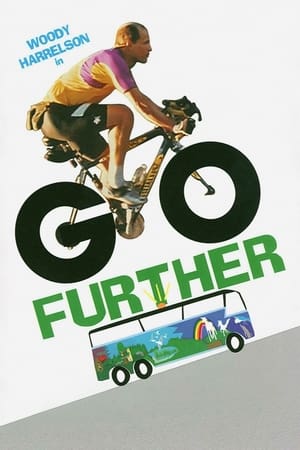
"Go Further" explores the idea that the single individual is the key to large-scale transformational change. The film follows actor Woody Harrelson as he takes a small group of friends on a bio-fueled bus-ride down the Pacific Coast Highway. Their goal? To show the people they encounter that there are viable alternatives.
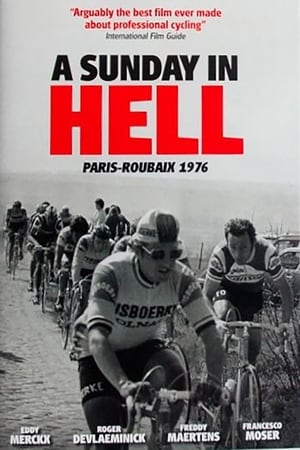
A chronology of the 1976 Paris-Roubaix bicycle race from the perspective of participants, organizers and spectators.
Time Trial takes us into the final races of cyclist David Millar’s career, leading up to his last encounter with the Tour de France. We go inside the peloton, we’re pushed up impossible climbs and forced down rapid descents, we lie alongside him in his hotel room in post-race agony. We ride in the support car, the source of comfort, supplies and fleeting relief from the cold. And we know that every mile traveled is a mile closer to the end.
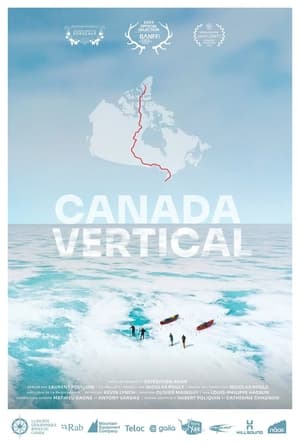
After years of preparation, a team of highly motivated Quebeckers set out on one of the longest wilderness expeditions ever documented. Stage one involves skiing in relentless polar conditions from Ellesmere Island to the Northwest Passage where the challenge was reaching the mainland. Cue canoes for a 2000km journey across Nunavut and NWT until they reach the first dirt road available where bikes are waiting to be pedalled 4000km to Point Pelee in Ontario.
Mezinárodní závor míru Praha – Berlín – Varšava 1953
Závod míru 1954
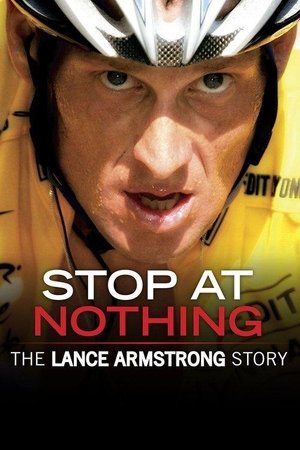
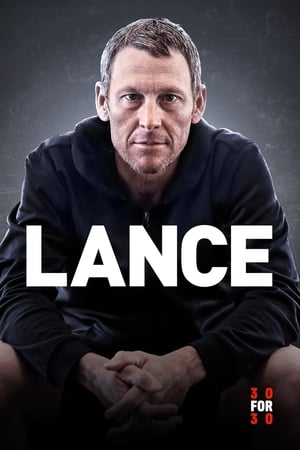
A portrait of the man behind the greatest fraud in sporting history. Lance Armstrong enriched himself by cheating his fans, his sport and the truth. But the former friends whose lives and careers he destroyed would finally bring him down.
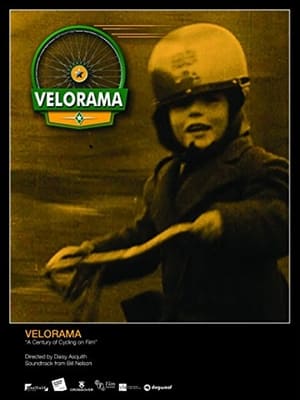
Documentary looking at a century of cycling. Commissioned to mark the arrival of the 2014 Tour de France in Yorkshire, the film makes full use of stunning British Film Institute footage to transport the audience on a journey from the invention of the modern bike, through the rise of recreational cycling, to gruelling competitive races. Award-winning director Daisy Asquith artfully combines the richly-diverse archive with a hypnotic soundtrack from cult composer Bill Nelson in a joyful, absorbing watch for both cycling and archive fans.
A documentary following a team of English cyclists as they recreate the 1955 Tour de France route while one of their own lives with a rare medical condition.
For Los Angeles natives living in the early 1900s, bicycles and streetcars shared the road as our primary modes of transportation. But the arrival of the freeway effectively wiped them out. Today, a collective of cycling communities fight for protected bike lanes and road safety, determined to bring a new era of mobility justice to the city.
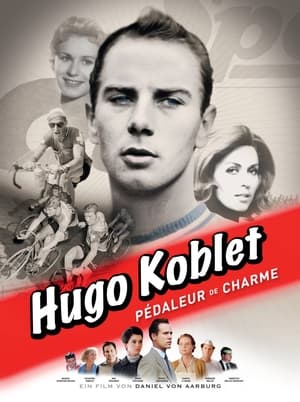
Zurich-born Hugo Koblet was the first international cycling star of the post-war period. He was a stylist on the bicycle and in life, and a huge heartthrob. Koblet had a meteoric rise and won the Giro d'Italia in 1950. Once he had reached the zenith of his career, Koblet was put under pressure by overly ambitious officials and ended up ruining his health with drugs. In 1954, he married a well-known model and they became a celebrity dream couple. After his athletic career ended, Koblet began to lose his footing. Threatened by bankruptcy, he crashed his Alfa into a tree.
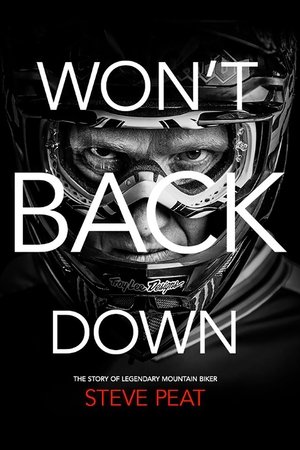
From his humble beginnings in his hometown of Sheffield, England, Steve Peat has established himself as one of the worlds most iconic cyclists. Peaty has been competing at the top level in his chosen sport of downhill mountain bike racing for the past 23 years, longer than the lifetime of many of his current competitors. Through 20 years of archival footage and photos and intimate interviews with Steve, his family, close friends and competitors, Won’t Back Down takes viewers on a captivating tour of the history of the sport of downhill mountain bike racing and offers a never-before-seen view into the life and legacy of this enduring icon.
A personal examination of the rise and fall of Lance Armstrong.
A compelling British documentary following ten amateur athletes as they train for and compete in Ironman 70.3 Swansea. With themes of resilience, inclusion, and mental strength, the film is directed by Raymond Mouzon and edited by 18-year-old autistic filmmaker Sean Smith.
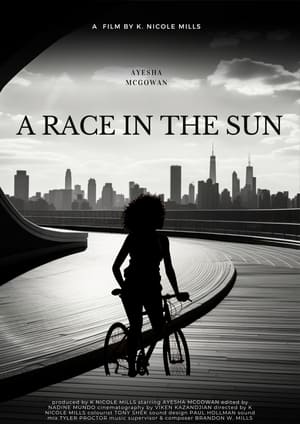
An exploration of cycling culture through the eyes of Ayesha McGowan who rose through the ranks of the New York City underground cycling world to break barriers as the world's first African American woman to become a professional cyclist.
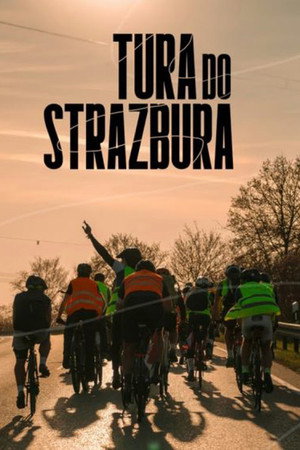
They started their 1400 km journey to the capital of Europe on bicycles from Novi Sad, Serbia. This trip, from a divided country that has been in a socio-political crisis for five months, since the tragedy at the Novi Sad railway station - they called it the trip of justice. Eighty students from Serbia cycled through 6 European countries and 15 large cities in 12 days. Festive welcomes, tears, song and laughter in the squares all over Europe. They were welcomed by the Serbian diaspora, but also by the leaders of the cities they passed through. They went to Strasbourg with the desire to be heard by Europe and the world and said "We are not driving to Europe to escape from Serbia. We are driving to bring it back."
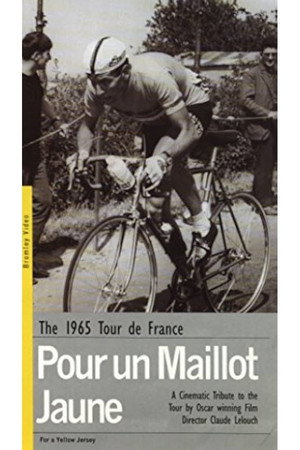
The film follows the 1965 Tour de France not as a sports documentary but an atmospheric film of the events that surround it. Where riders are shown racing, it is an illustration of the hardship or the danger they face. The main events are the daily routines of the competitors, the bossing about of spectators by officials (which Lelouch emphasises by adding animal noises to the soundtrack), the monotonous days of journalists who follow the race for hours to write only a few hundred words, and the evening entertainment laid on by the Europe-1 radio station.
De Ronde 101
De Ronde 102
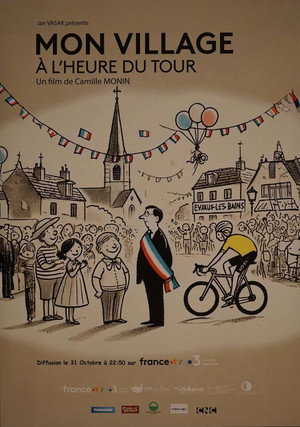
Mon village à l'heure du Tour