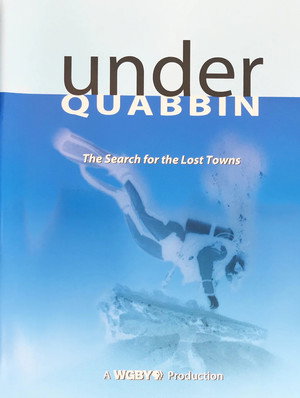
Beneath the millions of gallons of water that flow into homes across eastern Massachusetts is a story of buried history, scientific discovery, & individual hopes & dreams destroyed in the name of progress. Edward Klekowski, a UMass biology professor with a passion for scuba diving, chronicles an unprecedented search for the remains of four lost towns under the Quabbin Reservoir in Belchertown, MA
Oldemors reise
Martinská deklarácia 1918
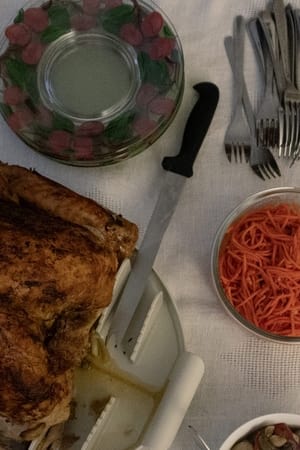
This film tells a story of ethnic Koreans from Russia and the post-Soviet territories making their new home in New York City. The history of the diaspora is told through conversations with Lidiya Kan’s mother, personal stories, fragmented memories, and her family photo archive. An important character of the film is Morkovcha, the Korean carrot salad, an invention of the Russian Korean diaspora; its essence is symbolic of their mixed identity.
Multi-award winning E11 tells the story behind the first ascent of Rhapsody, a route considered to be the hardest traditional rock climb in the world. Told in an offbeat dramadoc style the film attempts to understand what it takes to climb a route of this standard and strives to get inside the head of its first ascentionist, the understated yet quite remarkable Dave MacLeod.
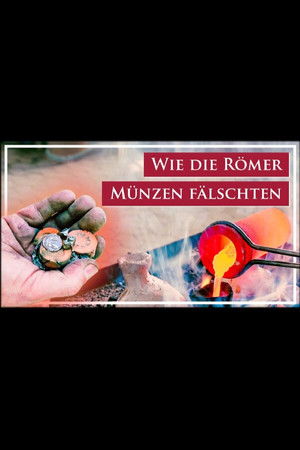
Wie die Römer Münzen fälschten - Tübinger Team rekonstruiert Herstellungsprozess von Gussfälschungen
The exquisite Rosslyn Chapel is a masterpiece in stone. It used to be one of Scotland's best-kept secrets, but it became world-famous when it was featured in Dan Brown's the Da Vinci Code.
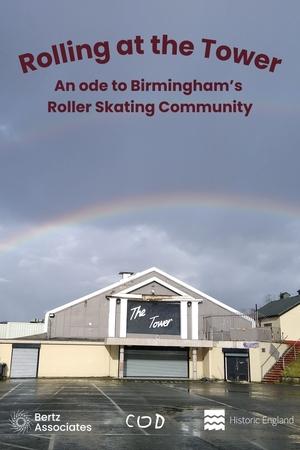
Dating back to the 1800s, Birmingham’s roller skating scene is a flourishing, diverse community - but it lacks dedicated spaces. This community documentary explores the history of one roller venue, The Tower Ballroom, and considers what it tells us about the power of community action.
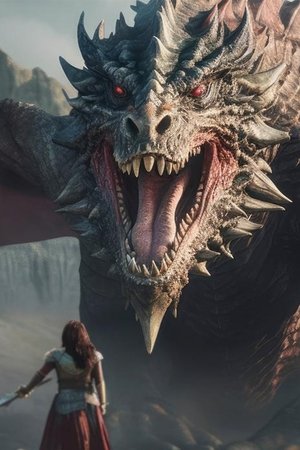
The great myths of mankind have captivated us for thousands of years. Inexplicable phenomena, places shrouded in legend and superhuman heroes puzzle us and fire our imagination. But what if the legends are more than pure fiction? Scholars have been sketching dragons since ancient times, and the belief in their existence extends into modern times. Whether with wings or breathing fire, as creator or destroyer - the dragon is one of the oldest myths of mankind.
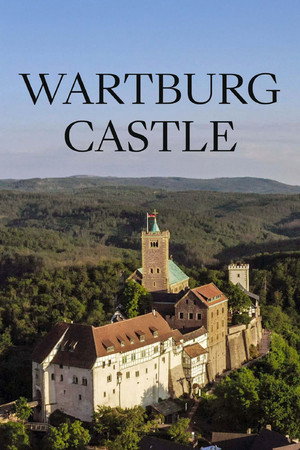
Wartburg Castle has towered majestically over the Thuringian Forest for almost a thousand years. The medieval building is a living testimony to Germany's complex history - and is a symbol of freedom, power and culture. This documentary explores its long and eventful history.
Crônicas do Fogo Cruzado
Le Puy du Fou raconté par Philippe de Villiers
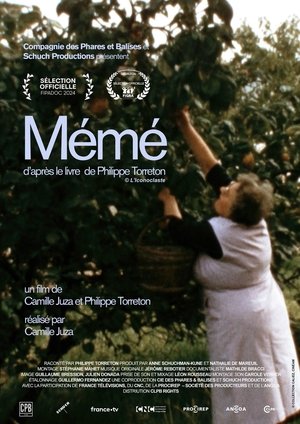
Adapted from famous French actor Philippe Torreton’s best-seller, GRANDMA is the portrait of the actor’s grandmother: a modest, unique but universal Norman peasant. Enriched with amateur films, nourished by major historical events, GRANDMA also tells the story of the end of a world, that of the countryside of our grandmothers, before the abyss of modernity.
On a hot summer day, a young man from Philadelphia goes for an afternoon dip; when he is 40 feet from shore he gets attacked and dies; five days later, the Bell Captain at a popular beachside resort is also attacked.
Čičmany
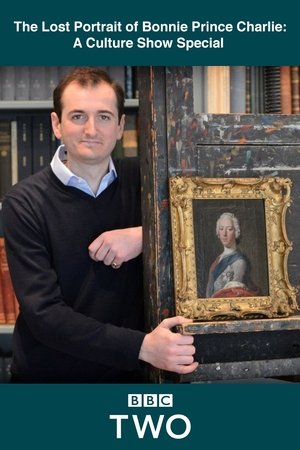
In 2009, art detective Dr Bendor Grosvenor caused a national scandal by proving that the Scottish National Portrait Gallery's iconic portrait of Bonnie Prince Charlie, the rebel Stuart who almost seized power in 1745, was not in fact him. Keen to make amends, and suspecting that a long-lost portrait of the prince by one of Scotland's greatest artists, Allan Ramsay, might still survive, Bendor decides to retrace Charles's journey in the hope of unravelling one of the greatest mysteries in British art.
Documentary to mark the WI's centenary. Lucy Worsley goes beyond the stereotypes of jam and Jerusalem to reveal the surprisingly radical side of this Great British institution.
The Spruce Forest explores one of the darkest pages in Romanian history. Inspired by the drama of Fântâna Albă on April 1, 1941, the film reconstructs the fate of a Romanian community in Bessarabia, massacred in a desperate attempt to find refuge from the Soviet occupation. The testimony of a survivor of this genocide becomes the backdrop against which archival images and his wife's memories of Siberia are superimposed, in a dizzying game of mirrors that questions the notion of historical truth and reveals forgotten traumas with potentially devastating consequences in the present.
In 1913/14, the most radical women's rights activists in England formed a secret society to protect their sister suffragettes from assault and arrest. They trained in martial arts, carried concealed weapons and used ingenious evasion and deception tactics. These women were known as The Bodyguard, and this is their story.
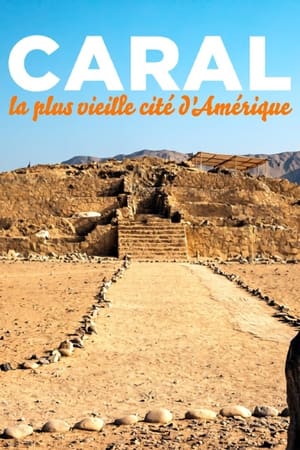
The Sacred City of Caral or Caral-Supe is the capital of the Norte Chico Civilization of Supe located in the Supe Valley, 200 km (124 miles) north of Lima. The Sacred City of Caral is the earliest known civilization in the Americas, it dates to the Late Archaic period. Radiocarbon analysis performed by the Caral-Supe Special Archaeological Project (PEACS) dates its development between 3000 to 1800 B.C.. It is believed that this civilization started by the merging of small villages based on trade of agricultural and fishing products. Its importance rests on the success of techniques of domestication of cotton, beans, potatoes, chilis, squash among other products. Success in agriculture was due to the development of water canals, reservoirs and terraces. They used guano, bird excrement, and anchovies as fertilizer.