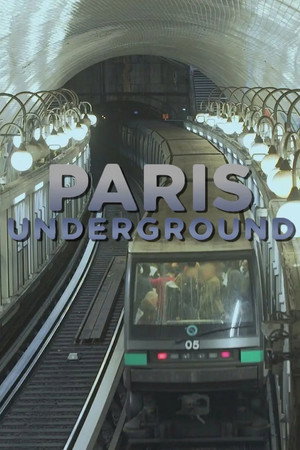
Explores three astonishing worlds lying beneath Paris: a vast sewer network, the world's busiest metro, and a maze of ancient quarries hiding a dark secret.
Incendie de Crans-Montana : révélations sur une tragédie
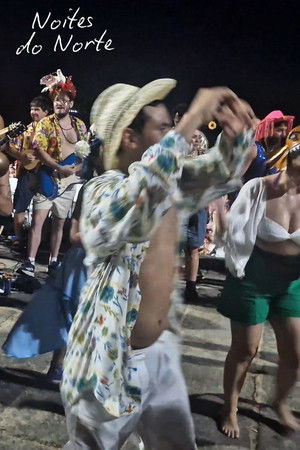
Noites do Norte
Ulrike Ottinger weaves her personal memories of Parisian bohemianism and the serious social, political and cultural upheavals of the time into a cinematic “figure poem.”
Meditação de Carnaval
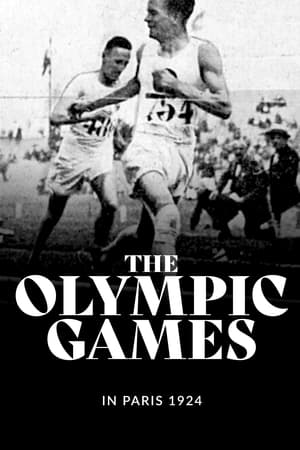
A documentary on the 1924 Olympic Game in Paris.
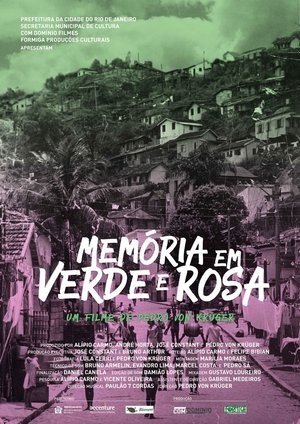
The Mangueira slum is the scenario where Tantinho and the old samba composers remember stories about the slums and samba.
Libertalia
Sonho de um Carnaval
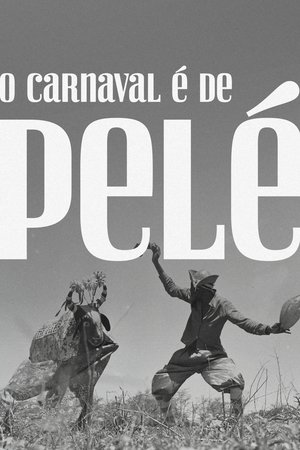
Pelé, a retired nurse, revisits his memories as a performer in the Boi Tira-Teima group from Caruaru, Pernambuco. Between longing for the past and the impossibility of celebrating Carnival in the present, he imagines what it would be like to return to Carnival one last time.
Deixa O Samba Me Levar
Sou Carnaval de São Salvador
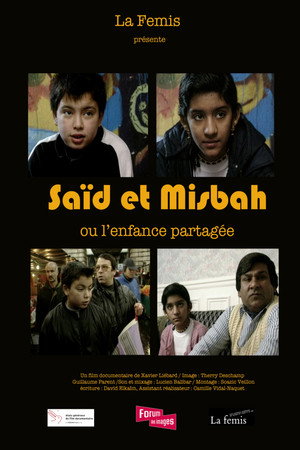
Saïd et Misbah ou l'enfance partagée
Shot at the Carnival celebration in Nice
Not much is known about this film except that it was shot with the Cinématographe Joly-Normandin. Presumably produced by Eugène Pirou
La Toilette des pensées
Louzine is a place uniting several music styles and several destinies. Men and women work there, who have come together because they master music instruments and have almost all had the same type of life: exile. Louzine is a mecca for tolerance concerning music. Gnawa music plays with rock and blues, chaâbi (traditional from Algiers) is on familiar terms with jazz, Kabyle music dances with Celtic sounds. This is where groups like Orchestre National de Barbès, Zerda, Thalweg, Gaâda, Cheikh Sidi Bémol could develop, thanks to such fecund diversity in which Breton bagpipes and North African qarqabous joyfully mingle, and free improvisation mixes with unchanging traditional chorus. All songs, be they in Arabic, Kabyle, French or English, tell about home, about love, hope, immigration, daily life, and are often full of humour.
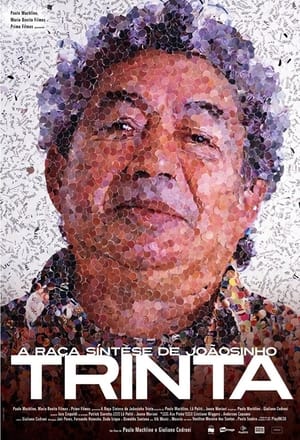
A Raça Síntese de Joãosinho Trinta
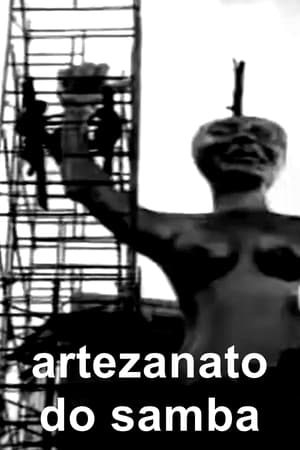
The making of the samba school parades, with the construction of the great cars, the decorations being spread all over the city and the hand-crafted tailoring of the costumes by apt hands that stitch together colourful and glowing materials.
Women (many of them lesbian) artists, writers, photographers, designers, and adventurers settled in Paris between the wars. They embraced France, some developed an ex-pat culture, and most cherished a way of life quite different than the one left behind.