Is My Living in Vain is a meditation on the continuing history and emancipatory potential of the Black church as a space of belonging, affirmation and community organising. Combining shot footage, oral histories and archive material from both sides of the Atlantic, the film follows a tangled thread of personal and collective memories to interrogate the church’s contribution to a Black radical tradition.
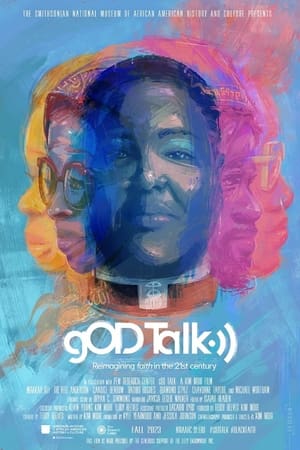
Explores the lives of seven Black Millennials – Atheist, Buddhist, Christians, Muslim, Ifa, and Spiritualist – and the challenges and discoveries with faith and spirituality.
In this fascinating and unusual conversation, writer and physician Deepak Chopra talks to religion professor Robert Thurman about the connections and differences between two of India's most important philosophical beliefs: Vedanta and Buddhism. Chopra explores the foundation of Vedanta, while Thurman -- the father of actress Uma Thurman -- provides the Buddhist point of view in this meeting held in 1999 at New York City's Tibet House.
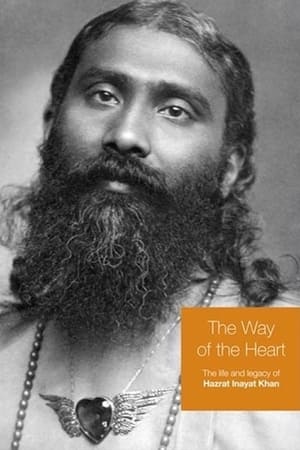
The Way of the Heart is the story of a spiritual master who brought the wisdom of Sufism to the West in 1910. Today the message of love, harmony, and beauty that Hazrat Inayat Khan gave to a troubled world is more urgently needed than ever. Award-winning filmmaker Mischa Scorer weaves a tapestry of music, sound, and compelling images together with the testimony of many contemporary Western Sufis to evoke the magical atmosphere of a consummate mystic.
A young filmmaker explores the roots of religion in family dynamics and what happens to those bonds when faith is lost.
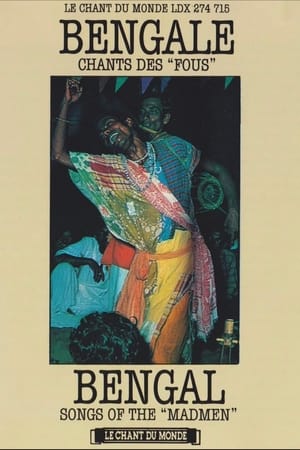
The Bauls of West Bengal are nomad musicians who practice a traditional form of concert challenged by the increasing modernization of India. The term "Fous" here refers to those inspired and wandering musicians of Bengal known as Baül. The word Baül is derived from the Sanskrit word "vatul," which means "mad" in the sense that it commonly connotes a more or less frenetic behavior in French. The Baül are peculiar individuals, particularly in their mannerisms, customs, and practices. Although they may belong to either the Hindu or Muslim religion, the Baül refuse to be guided by any social or religious conventions. Freedom of spirit is their only guide. They thus move against the tide of habits, preconceived notions, and general theories. "Le chant des fous" (The Song of the Mad) is a film made by Georges Luneau.
The story of Nisar Ahmed Khan, told through his children and the people he served, a spiritual guide whose followers still visit his tomb on his birth and death anniversaries. And alongside how his family spends a few days at the village keeping his traditions alive.
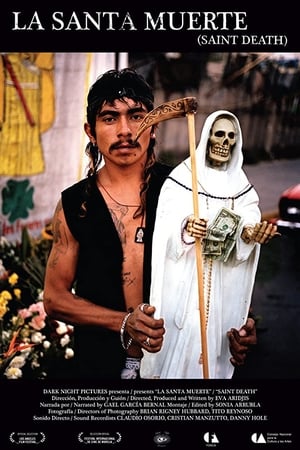
In Mexico there is a cult that is rapidly growing- the cult of Saint Death. This female grim reaper, considered a saint by followers but Satanic by the Catholic Church, is worshiped by people whose lives are filled with danger and/or violence- criminals, gang members, transsexuals, sick people, drug addicts, and families living in rough neighborhoods. "La Santa Muerte" examines the origins of the cult and takes us on a tour of the altars, jails, and neighborhoods in Mexico where the saint's most devoted followers can be found.
An examination of how Africa's mythological stories have served as the basis for the world religions that came after, especially in Western civilization.
All the seemingly innocent symbolism of Halloween – blackcats, snakes, broomsticks, bonfires, “trick or treat,” jack-o’-lanterns, apple dunking and costumes – has its roots in Sorcery, Witchcraft and Satanism. Parents’ responsibilities are challenged to decide whether to allow their children to participate in celebrations which glorify Pagan Occultism. This highly informative video traces the pagan origins and history of Halloween. The Pagan Occult calendar of Druids, Witches, Pagans and Satanists marks Halloween as one of their highest “holy days.” This video uncovers the mystic Druidic rites and ceremonies with which “Samhain” (Halloween) was originally observed 4,000 years ago. The occult rituals seen in this video are real and not re-enactments.
BBC TV movie about the life of the late Francesco Forgione, widely known as Padre Pio.
Living from the Heart: Universalist Sufism in America, directed by Chuck Davis and Netanel Miles-Yépez, offers an introduction to the mystical path of Sufism as expressed in the universalist Sufi teachings of Hazrat Inayat Khan by contemporary Sufi teachers in America. The film contextualizes Sufism as a spiritual path of the heart, addressing the distinction between Islamic Sufism and Universalist Sufism, and introduces viewers to Sufi teachings on Love, Beauty, Music, God, and the Sufi practices of Zikr (remembrance) and Pilgrimage.
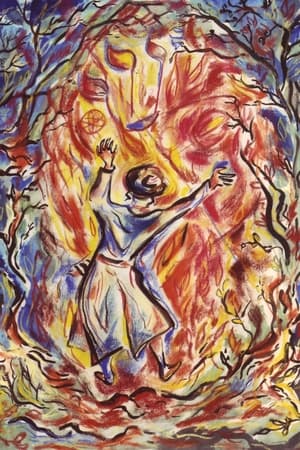
Rabbi Israel ben Eliezer (1698-1760), known as the Ba'al Shem Tov ("Master of the Good Name"), is one of the most beloved and celebrated, yet elusive, figures in Jewish history. Today, Jews worldwide – and even non-Jews – revere him as the founder of the Hasidic movement, a 18th-century offshoot of Judaism that promotes a mystical interpretation of the Bible, and as a model of piety and spirituality. The documentary A FIRE IN THE FOREST explores the life and legacy of the Ba'al Shem Tov through interviews with religious leaders and scholars, and on-location footage. The title derives from a tale about rabbis finding a hidden fire in the forest where they could appeal to God for help and have their prayers answered.
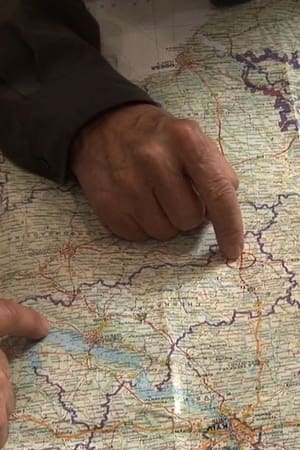
Conservative Rabbi Marc Soloway invites us on his personal journey to modern day Ukraine to visit the graves of the Hasidic Masters as he tries to establish a connection with the famous names that have so long occupied a place in his imagination.
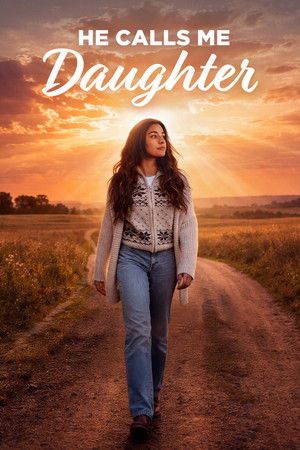
An exploration of women shaped by absent or broken fathers as they find healing, courage, and restored identity through God’s faithful love. Through raw and powerful stories, HE CALLS ME DAUGHTER reveals a timeless truth: A heavenly Father changes everything.
Les dieux de Molenbeek
The mysterious chi is presented as a force that can be produced by the master and defies all explanation.
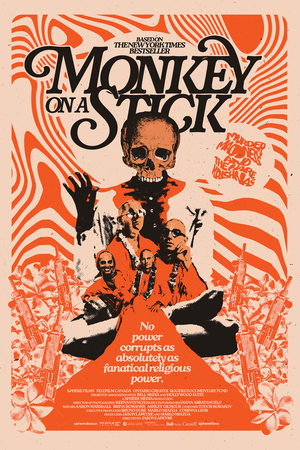
The story of the Hare Krishna movement in the West, contrasting the spiritual exploration of its devotees with the leadership's systemic, long-term cover-up of criminality, moral decay and abuse of power.
In Adios Amor, the discovery of lost photographs sparks the search for a hero that history forgot—Maria Moreno, a migrant mother driven to speak out by her twelve children’s hunger. Years before Cesar Chavez and Dolores Huerta launched the United Farm Workers, Maria picked up the only weapon she had—her voice—and became an outspoken leader in an era when women were relegated to the background. The first farm worker woman in America to be hired as a union organizer, Maria’s story was silenced and her legacy buried—until now.
After committing an unspeakable act, a man confesses—but only part of him means it. His darker self, defiant and unrepentant, refuses to kneel—even before God. As he seeks peace in isolation, convinced forgiveness is beyond him, reality begins to fracture. Haunted by guilt and consumed by a force he can’t control, his mind spirals into a terrifying maze of illusions, possession, and truth. where the power he tried to suppress awakens something darker, and not everything that begs for forgiveness seeks salvation.