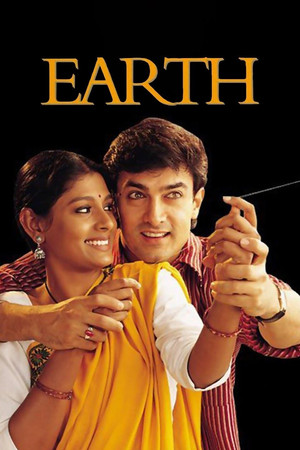
In 1947, the borderlines between India and Pakistan are being drawn. A young girl bears witnesses to tragedy as her ayah is caught between the love of two men and the rising tide of political and religious violence.
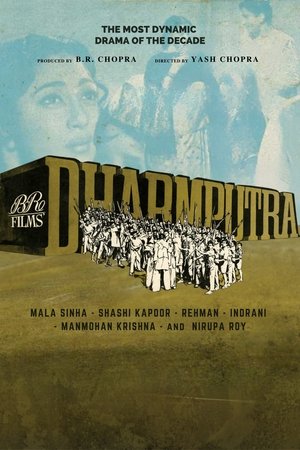
The story of two families — one Muslim and one Hindu — living together in India under British rule.
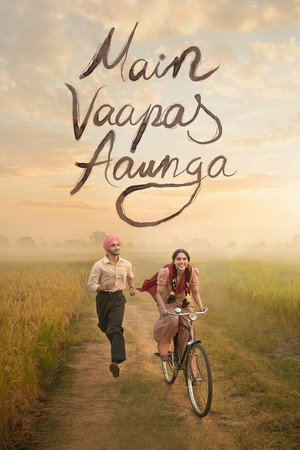
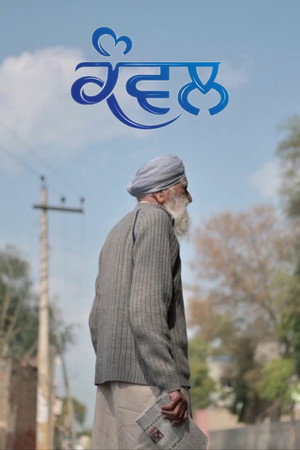
Haunted by a childhood romance and recollections of love lost during the 1947 Partition of India, 95-year-old Ishar Singh Grewal shares his story with his grandson Nirvair, the past unfolding through memories of migration, longing, and a romance that endures across generations.
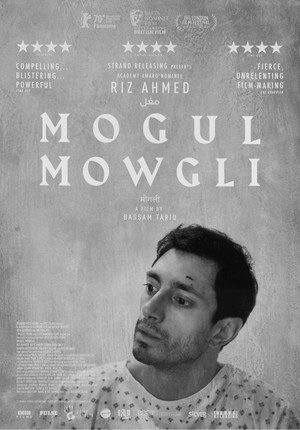
Zed, a young British rapper, is about to start his first world tour, when a crippling illness strikes him down, forcing him to move back in with his family. He tries to find himself between an international music career and Pakistani family traditions.
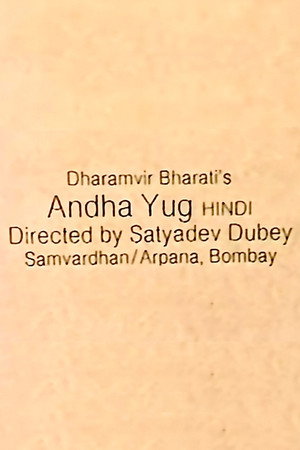
"Andha Yug"—literally 'Age of Blindness'—is an allegorical play written in the aftermath of the Partition of India by Shri Dharamvir Bharti. Rooted in the epic Mahabharata, this landmark 1989 Delhi performance was staged for the Nehru Shatabdi Samaroh Festival and has since been preserved by the Natya Shodh Sansthan, Kolkata (NSS). Set on the final day of the Kurukshetra war, the narrative chronicles the end of the Dvapara Yuga and the immediate descent into the dark Kali Yuga, triggered by Lord Krishna's demise. This five-act masterpiece explores the moral collapse, cycles of revenge, and psychological trauma of war. It depicts the pyrrhic reality of the Kali Yuga—the worst, shortest, and darkest of the four cosmic ages—in which recursive violence degrades the fabric of civilization, blinding individuals to reason as they are forced to reckon with the devastation's fallout.
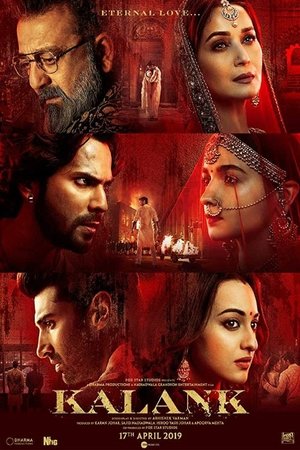
In Pre-Independent India, circa 1945, the elite, opulent and solemn world of the Chaudhry family, and the wild, mysterious and musical underbelly of the town, Hira Mandi, clash when Roop Chaudhry encounters Zafar, a daredevil from Hira Mandi, unleashing deep-buried truths, secrets of betrayal and affairs that threaten to bring both worlds crashing down.
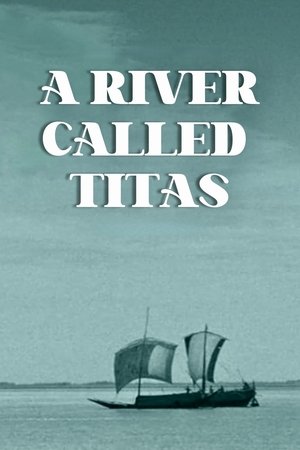
An in-depth look at the lives and struggles of a fishing community living by the River Titas in Bangladesh after the Partition of India in 1947.
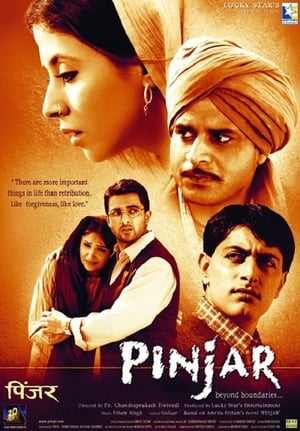
A moving, platonic love story between two Hindu-Muslim lovers navigating the painful turmoil and consequences of the Partition of India.
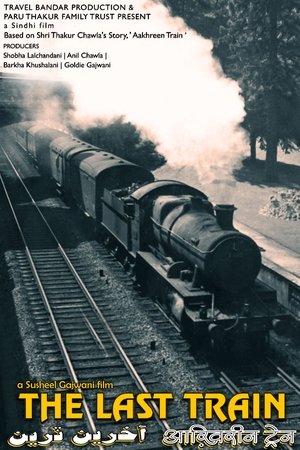
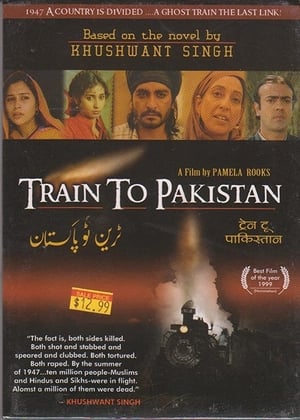
Tensions run high near the border of British India, which is about to be partitioned with a new country called Pakistan. Sikhs living in this border town have heard numerous stories of Muslims killing, raping, and looting other Sikhs, Hindus, and Christians, and many of whom are their friends and relatives. Enraged at the loss of law and order, they plan their own attack on a trainful of Muslims leaving British India. The train is overcrowded with tens and thousands of migrating passengers, who are even perched on the windows and seated on the roof of this train. The plot is to tear the bridge down when the train is on it, and no one will dare stop these men to carry out this horrific task
In the days leading up to Partition, a Hindu woman is abducted by a Muslim man. Soon, she finds herself not only forced into marriage, but living in a new country as the borders between India and Pakistan are drawn
Millions of Muslims flee to Lahore in the newly created state of Pakistan, prompted by the partition of British India.
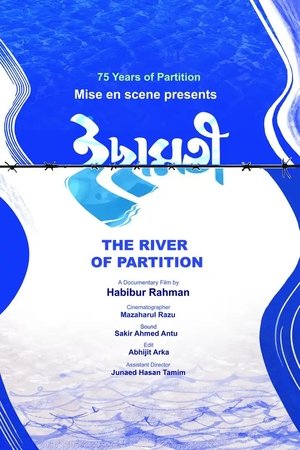
Habibur Rahman’s The River of Partition (Ichamati, 2023) documents this riverine environment, the diverse communities that live around it, and the socio-historical role played by the river in the wake of the partition of India in 1947 and the creation of Bangladesh in 1971.
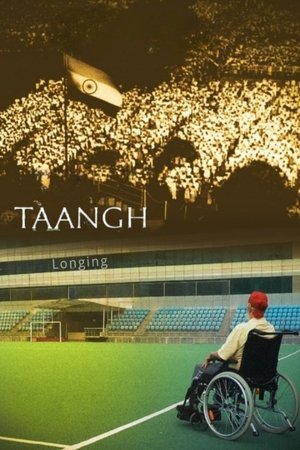
Against the backdrop of Partition, independent India’s first hockey team defeats England, their erstwhile coloniser, to win the Gold at the 1948 London Olympics. Six decades later, when Nandy Singh, a member of this iconic team suffers a stroke, his tenacious struggle to recover, inspires his daughter to retrace his journey. Using archival footage and interviews with teammates, she reveals lives shaped by the Gold, and by Partition that made them refugees. Revealed also is a friend in Pakistan never spoken of before. Her journey in search of him morphs into a quest for the lost ‘watan’ (homeland).
A cinematic exploration of the life, literature, and ideological journey of Jaswant Singh Kanwal, one of Punjab’s most powerful progressive voices-tracing how a writer rooted in rural soil became a conscience-keeper of his times.
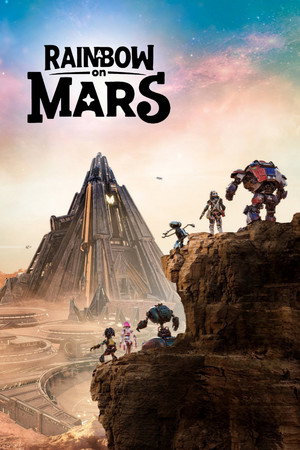
Pelangi is an Indonesian child born on Mars. Together with her robot friends, she embarks on a great journey that will determine the future of Earth. Can they overcome it?
Julia, Silvia, Mariana and Sara have been friends since they studied acting at university. They haven't all seen each other in a while, because since they got married they started to stop seeing each other. Now Sara's death finds them again, a sudden cardiac arrest. Moved by the death of their friend and the reunion, the three women let loose together into a mourning, a drunkenness, that takes them through various emotional states that, finally, end up reaffirming the friendship between the three, by celebrating the departure of the friend gone and celebrate life. The night of mourning is left behind in the dawn of the new day that arrives.
An intense and brutal evening between two long-time friends… Secrets will be revealed as they dance through the night between anger, humiliation and happiness…
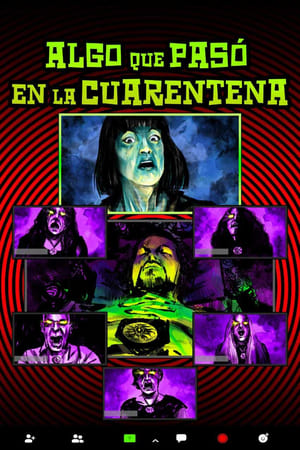
Carlos has just died, but due to the quarantine, the body must stay at his girlfriend Ana's house.
Beto and his family arrive at El Desván, an old furniture store, in a blue van. This place, which supported the family for more than 40 years, has been demolished by a construction company. Beto, his wife Betty, his daughters Lin Yin and Tanyi, and their pet Limón, film and tour the place, encountering experiences preserved in their family archive and in their memory.
"Romeo and Juliet" is a 1967 Australian TV play based on the play by William Shakespeare. It was presented as part of the Love and War anthology series on the ABC.