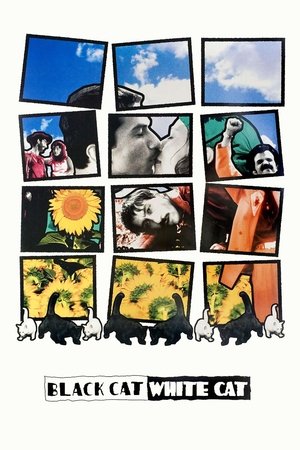
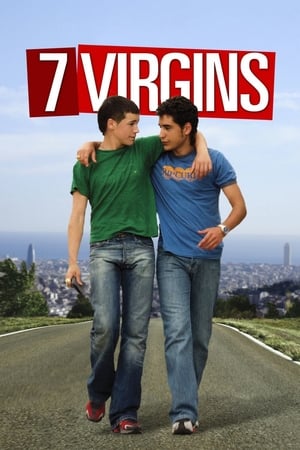
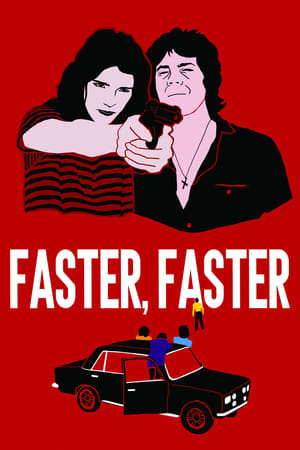
A small-time hustler makes a deal with a notorious gangster to whom he owes money: marry his teenage son to the latter's daughter. However, the young lovers are not as agreeable.
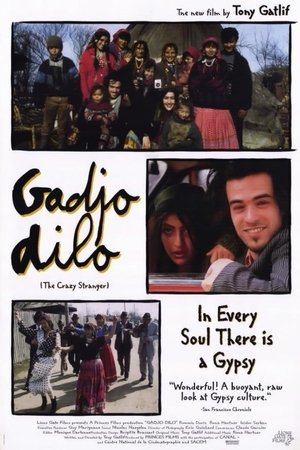
A man is looking for a singer he had heard on cassette. He finds much more.
Latest example of Spanish "neokinki" cinema, which was popular in the late seventies/early eighties, right after the end of Franco's dictatorship. Destructured families of low social classes are the perfect environment for delinquency, drugs, violence and broken lives.
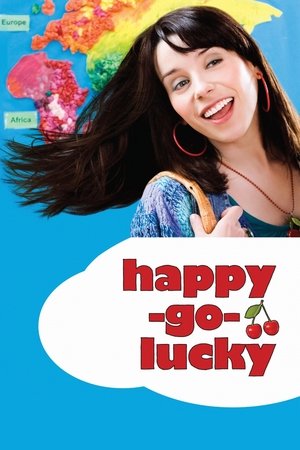
A look at a few chapters in the life of Poppy, a cheery, colorful, North London schoolteacher whose optimism tends to exasperate those around her.
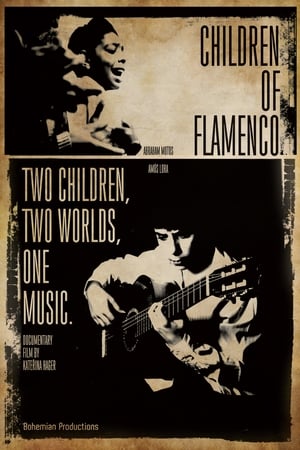
RROMANI SOUL traces the true origin of the Rroma people. Through rituals, song and dance we follow emblematic figure and "Queen of the Gypsies" Esma Redzepova to Macedonia, south of France and finally to India. The film reveals for the first time ever that the true and unique origin of the Rroma is Kannauj in Uttar Pradesh, India.
It is summertime in a blue-collar, marginal district of a city in the South of Spain. Tano, a teenager currently serving a sentence in a juvenile reform center, is given a 48-hour leave to attend his brother’s wedding.
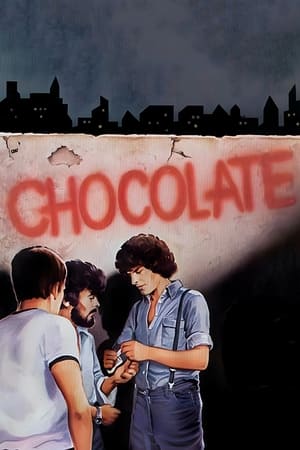
Bored 15-year-old school chums Rai Manu and Javi dream of sexual adventures and exotic resorts while the well-off population of Madrid flock to the beaches on a summer holiday. The youths hang around the concrete wasteland killing time by reading the sex classifieds and pushing their luck. They masturbate, thieve, fight with their families and get involved in a drug bust. Finally Rai, the most daring and restless of the trio - gets shot while trying to steal stereo gear from a car. Each adolescent faces a dreary home life but when they get together they enjoy each other's company to the full. The film is an engaging mixture of comedy drama and the pathos of life in a Madrid neighborhood.
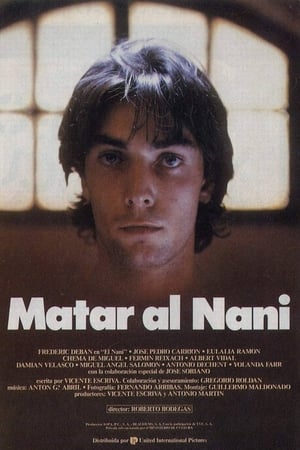
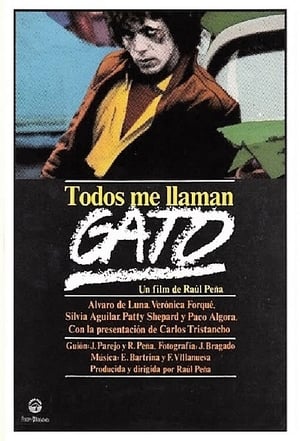
The story of El Nani, a juvenile delinquent from the years of the Transition, whose disappearance in a police station after an interrogation has not yet been clarified, putting the accent on the denunciation of police brutality and speculating on the outcome of the story. A story that mixes political denunciation and social chronicle of an era.
A famous painter returns to Spain under a false name as he once had to run away, to meet his half gypsy daughter, who has become a flamenco dancer. He offers her his house, making popular rumors take flight.
Rocío, is in love with Mario, a free rider with a lot of face that, to top it all, is partner of the business of her father, Domingo with whom she maintains incestuous relations. When Domingo passes away, both Mario and Rocío's mother have to put to the front of the business, finishing with the inheritance that could receive Rocío. In the midst of her frustration, a young business worker, secretly in love with Rocío, will try to have the legacy of her father end up in the hands of his rightful heiress.
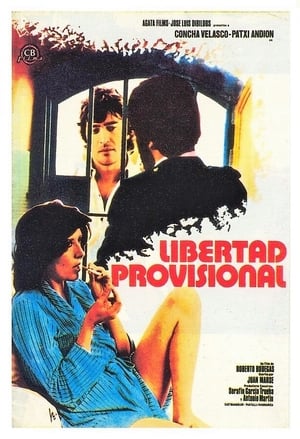
In Madrid, a Lawyer gets the freedom for "El Chirlo" a usual 20 years old crook. Chirlo wants to thank Jaime, his lawyer, the defense and treat him for a meal with Rocio, Jaime's girlfriend. Jaime leave so Chirlo and Rocio go together to take a walk. Since then, everything turns bad.
Filmed like a documentary, "Sevillanas" consists of eleven short performances by Spain's most famous flamenco dancers, singers and guitarists. Saura, well-known for his flamenco films ("Blood Wedding," "Carmen"), here provides an in-depth look at the Sevillanas form of flamenco and its dancers.
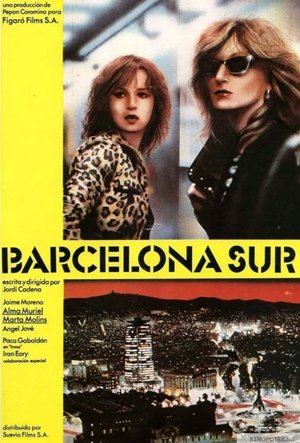
A commentary on Spanish society dressed as a thriller about the misadventures of a gang of young petty criminals after the real estate crash.
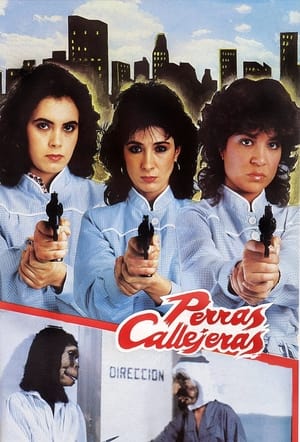
Perros Callejeros is based on the juvenile delinquency of the 1970s and 80s in Spain. The story is set in Barrio de la Mina in Barcelona one of the most conflict neighbourhoods in Spain. The characters chosen were real juvenile delinquents all with criminal records, which the director used to give the film a realistic touch. This film is very powerful and dramatic, it shows how these kids were brought up to survive on the streets.
Caco is a proud, handsome man, head of a family, and very powerful in the local community. Yet he has been torn to pieces by the death of his beloved daughter. He constantly visits her grave, weeps silently at her photo and has transferred all his wildly protective love and attention onto his mentally challenged nephew, Diego. It seems that Diego's father, Caco's brother, is in hiding after having killed a man from the Caravaca family, who are equally powerful in the community. They are looking for vengeance and have come to Caco for justice. When he refuses to betray his brother, the Caravacas grow impatient. When they realize they are getting nowhere, they threaten to kill Diego. Despite his fierce pride, Caco eventually realizes that the cycle of killing and revenge must be broken. But how can he achieve this and protect everyone he loves?
Angela is a young waitress who turns her back on society when she meets and falls in love with Pablo, a reckless criminal delinquent. Along with Pablo’s gang of car thieves, the pair embark on a drug and disco-fueled robbery spree as they hurtle toward oblivion.
Chet Baker silently wanders through an Antonioniesque landscape in a Felliniesque state of wonderment as his improvised trumpet solos alternate between earnestly offering the obvious and mocking the artiness of the whole affair.
Crista, Berta and Sole, are three young people who feel exploited and discriminated by society.
Young men with no future have little in the present as well. Natale is released from prison: he takes up with his friends again but none can find work. Claudio, from Palermo, gets out of juvenile detention in Naples and he's met by Vita, a girl who's come from home to run away with him. Where can they go? A young dad, whose potato stall at the market is shut down because he has no permit, takes his two small children to the beach and yells at them. Mario, gay, a prostitute in drag, gets a visit from his mom; he offers tea, then finds the water to his apartment is shut off. Social workers drop by, parole officers file reports. What hope is there? What options besides crime?
In a Gypsy village, the fathers of Candela and José promise their children to each other. Years later, the unfaithful José marries Candela but while defending his lover Lucía in a brawl, he is stabbed to death. Carmelo, who secretly loves Candela since he was a boy, is arrested while helping José and unfairly sent to prison. Four years later he is released and declares his love for Candela. However, the woman is cursed by a bewitched love and every night she goes to the place where José died to dance with his ghost.