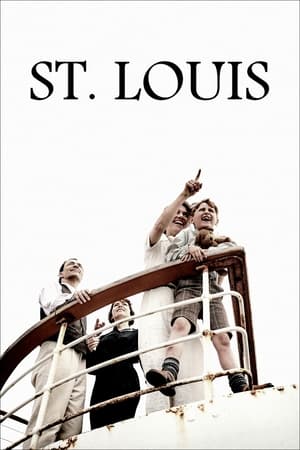
Hamburg, Germany, 1939. Getting a passage aboard the passenger liner St. Louis seems to be the last hope of salvation for more than nine hundred German Jews who, desperate to escape the atrocious persecution to which they are subjected by the Nazi regime, intend to emigrate to Cuba.
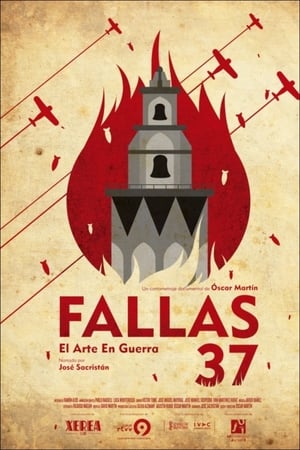
In November 1936, a few months since the beginning of the Spanish Civil War, the government of the Second Republic moves to Valencia. In this situation, several Valencian artists and intellectuals decide to build four fallas — satirical plasterboard sculptures created to be burnt — to mock fascism.
The carnage in Sarajevo provides the focus of this French documentary which seeks to call attention to the terrible conflict in the hopes of finally ending it. The film is divided into five parts. Each part covers a time frame ranging from April 4, 1992, the beginning of the war, to the present. The major issues that occur are three-fold. It depicts the systematic genocide of Bosnians, the silence of Western countries, and the determination of the Bosnians to resist. They refuse to be seen as victims, even though the filmmakers portray them so. Also included are the origins and political aspects of the war. It offers interviews with participants. It also reveals how the U.S. State Department censored reports about Serbian death camps.
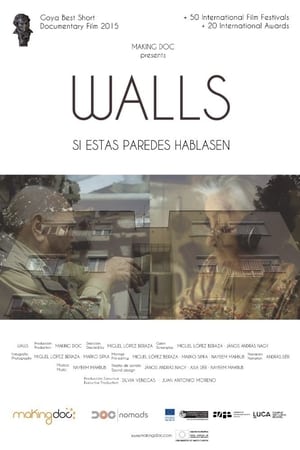
A day in the life of Mr. Istvan and Ms. Magdi, neighbors for many years, is narrated by the building of Budapest where both live. The walls surrounding them reveal their small passions, stories and routines.
The Russians Machine
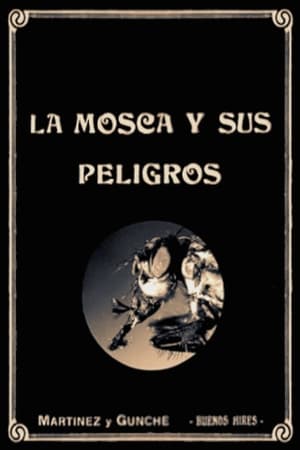
The Dangers of the Fly is an educational film made by Ernesto Gunche and Eduardo Martínez de la Pera, also responsible for Gaucho Nobility (1915), the biggest blockbuster of Argentinean silent cinema. De la Pera was a talented photographer, always willing to try new gadgets and techniques. This film experiments with microphotography in the style of Jean Comandon's films for Pathé and it is part of a series which included a film about mosquitoes and paludism and another one about cancer, which are considered lost. Flies were a popular subject of silent films and there are more than a dozen titles featuring them in the teens and early twenties.
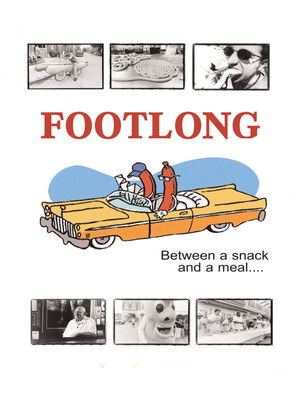
A documentary about the social impact of the hot dog on American Culture. Follow the crew as they travel across the country to explore the many facets of hot dog culture. 'To understand a bike, you look at the wheels. To understand a wall, you look at each brick. And to understand America, you must look at the hot dog."
Bryan Charles Kimes has a lot to say, but the power of language escapes him. Lost in a public-school system that does not suit his needs, his parents fight to help him find his voice.
Warm, poetic, educational, and emotional story will paint for us the phenomenon of Dražen Petrović, one of the greatest basketball players in the world who, despite his premature death, left an incredible mark on people's lives.
A documentary that chronicles the extraordinary odyssey of NBA mega-star Giannis Antetokounmpo from an impoverished childhood in Greece as the son of Nigerian immigrants to the very top of the basketball world.
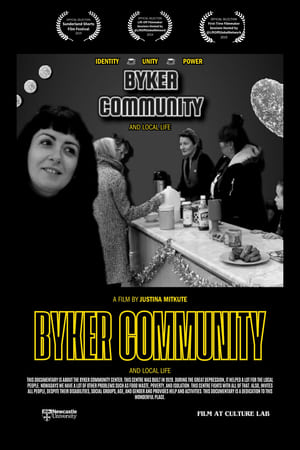
This documentary is about the Byker Community Centre. This centre was built in 1928. During the great depression, it helped a lot for the local people. In modern days, we have plenty of other problems, such as food waste, poverty, and isolation. This centre fights with all of that. Also, it invites all people, despite their disabilities, social groups, age, and gender and provides help and activities. This place is magical and hospitable.
Follow the cast and crew of Livescreamers across their five day shoot, and go deep behind the scenes of how the innovative horror film was brought to life.
As director Hakim Belabbes chronicles his journey from his home in Chicago to visit his family in his hometown of Boujad in Morocco, his exploration of family relationships is self-conscious and at times painfully honest. We witness his most private moments with his family. The film intimately explores the domestic spaces and religious rituals of intra-family relationships, especially when compounded by one member's break with traditional values.
Oxígeno para vivir
Documentary from French TV channel Canal+ about Marion Cotillard's road to the Oscar for her performance as French singer Édith Piaf in the 2007 film 'La Vie en Rose', also featuring behind-the-scenes footage from the film.
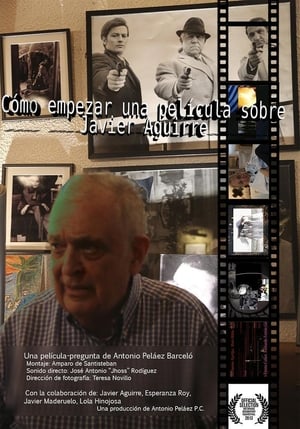
Cómo empezar una película sobre Javier Aguirre
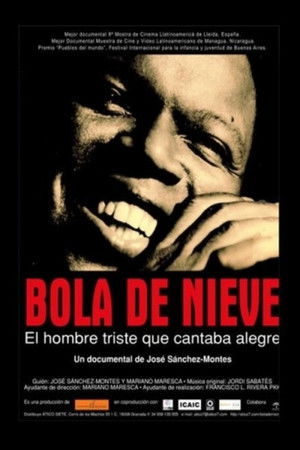
Documentarian Jose Sanchez-Montes turns his attention towards the late Cuban musician Ignacio Villa, known throughout the world as Bola de Nieve (Snowball), with this 2003 biographical documentary entitled simply Bola de Nieve. A master pianist, Bola de Nieve was a mainstay through the middle portion of the 20th century, with his music almost omnipresent in South America cinema throughout those formative decades. With Bola de Nieve's famous statement "I'm a sad person, but my songs sound happy" in mind, Sanchez-Montes also looks at the influence of the musician's African heritage and homosexuality upon Bola de Nieve's unique musical style.
La Fabrique à Idiots
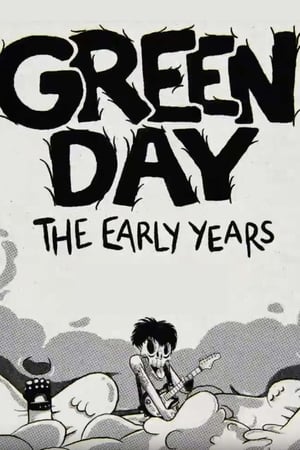
"Green Day: The Early Years" chronicles the rise of the world's most influential punk band, from their origins playing shows at Berkley's notorious Gilman Street venue in the late 80s, through the release of the platinum-selling Dookie in 1994.
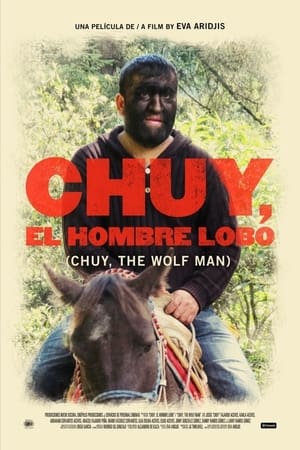
Jesus 'Chuy' Aceves and a dozen living members of his extended family suffer from the very rare condition of congenital hypertrichosis, meaning they were born with excessive hair on their faces and bodies. Due to their appearance, they suffer from discrimination in all areas of their lives: the children are made fun of at school and abandoned by their 'non-hairy' parents, and the adults cannot find work unless they choose to exhibit themselves as freaks in circuses. This moving and visually arresting documentary is a portrait of Chuy and his family members. It examines their day-to-day lives and their struggle to find love, acceptance and employment.