Two travellers are tormented by Satan from inn to inn and eventually experience a buggy ride through the heavens courtesy of the Devil before he takes one of them down to Hell and roasts him on a spit.
A high board fence is shown covered with theatrical posters. The one in the center shows the head and shoulders of a pretty girl. An old farmer and his wife are strolling along, the old gentleman being a little ahead. He looks at the picture of the girl and fancies he sees the eyes winking at him. He puts on his glasses to make sure that he is not dreaming, when the girl leans forward with an expression as if inviting him to have a kiss. (Biograph Catalog)
A female centaur enters a clearing in the woods and picks flowers. She is met by a male centaur and the two romance each other. They then seek parental consent for their union. Surviving footage of a now lost film.
After stealing a man's pipe and smoking his way to the moon, Dreamy Dud decides that smoking isn't for him.
Archive film showing possibly the first example of digital rendering, made by Pixar co-founders Ed Catmull and Fred Parke in 1972, was stumbled upon by the son of Robert B Ingebretsen, who also set up the world-famous U.S. studio. A six minute version shows additional CGI animation of an artificial heart valve, and human heads.
The film’s premise is about a group of warriors and scientists, who gathered at the “Oude Kerk” in Amsterdam to stage a crucial event from the past, in a desperate attempt to rescue the world from destructive robots.
A cartoonist draws faces and figures on a blackboard - and they come to life.
Winsor McCay recreates the sinking of the ocean liner Lusitania by a German U-boat in this propaganda piece designed to stir up anti-German sentiment during World War I.
At Christmas time, Mickey Mouse, Minnie and Pluto are beset by an enormous litter of bratty orphan cats.
Las Crónicas de la Pepa
Ko-Ko the Clown and his dog Fitz walk into a building where levers that control various aspects of the Earth are located. After Fitz presses a particular lever, the world goes topsy-turvy and out-of-control. Note that this cartoon contains strobe flashing.
A promotional short for the feature film "Roach Motel". The short film "Modern Living and You!" satirizes "Red Scare" era instructional shorts, while the time period itself is up in the air and left ambiguous. The short follows "Your Neighbor Margie" at the hands of a ruthless, demanding, and godlike narrator, as he puts her on display and on the spot, asking her questions, that he himself may not even know the answers to.
Aided by powers from a little red hat / A deplorable fellow named Kyle MaGatt / Goes hunting for Covid to save the economy / To become the hero Americans should see. / But will he succeed in this arduous task? / Or will he be forced to wear a mask?
The interior of a trolley car. A menagerie of passengers notices a foul odour, and pinpoint the source of the stench at a cheese saleswoman. The gendarmerie removes her from the trolley and drags her to the precinct.
Aalparambil Gopi, an unemployed boy, is forced to travel away from home. Fortunately, the journey ends up transforming his life forever.
Aided by his horse, Percy, Goofy takes horsemanship to a new level. Originally released as a part of The Reluctant Dragon (1941).
Pelotazo nacional
Shot on 8mm, and featuring the introduction of Divine, John Waters' sophomore film is a plotless collage of random incidents involving sex, drugs, religion and The Wizard of Oz, it was shown with an equally random soundtrack mixing “obnoxious radio advertisements, rock 'n' roll and press conferences with Lee Harvey Oswald's mother”. It was shown three times publicly, but never released commercially.
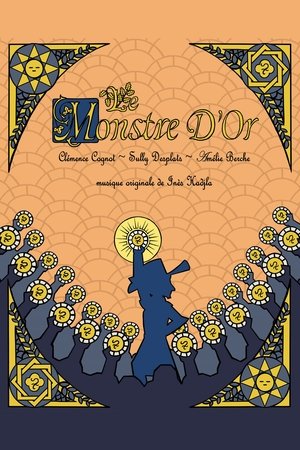
"Adagio" which is a philosophical parable exploring the conflict between a hero and the crowd is loosely based on a romantic short story written by the famous Russian writer Maxim Gorky about a young man named Danko and his burning heart.
Our presidential hunter runs across the landscape and falls down in the snow, gets up with his rifle, and gazes upward at a treed animal which isn't in the camera's view. He fires a shot into the tree, then leaps on the ground to grab the fallen prey, a domestic cat, finishing it off with wild blows of his hunting knife while his companions, a photographer and a press agent, record the event that will be reported far and wide as a manly moment. Teddy then rides out of the forest followed by two companions afoot, never mind that they all originally arrived afoot. Perhaps it was funnier in its day than it is now, but apparently shooting cats was regarded as funny in those days. The larger point was to use a minor whimsy as a political criticism, in this case of Teddy Roosevelt's easy manipulations of the press. It was based on two frames of a political cartoon that had appeared in the paper a mere week before the film was made.